
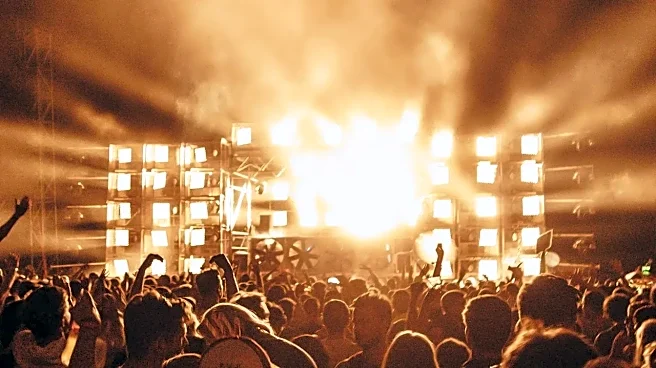
The Anatomy of a Universal Anthem
What makes a song capable of hijacking the collective consciousness of a crowd spanning 50 years in age? It's more than just a catchy melody. These cross-generational anthems are marvels of musical engineering. The choruses are almost always simple, declarative,
and built on universal themes like hope, defiance, or pure joy. Think of the unshakeable optimism in Journey’s “Don’t Stop Believin’”. The lyrical content is broad enough for anyone to project their own life onto it. Furthermore, the vocal delivery on these classic tracks is often powerful and clear, practically begging for a crowd to join in. A study by the University of York identified key triggers for singalongs, including a high chest voice and clear consonants from the singer—qualities that make it easy to follow along, even after a few festival beers. When you combine that with a structure that builds tension before a massive, cathartic release, you have the perfect recipe for a field-wide moment of unity.
The Great Musical Connectors
Certain songs are the undisputed champions of this phenomenon. Queen's “Bohemian Rhapsody” is a prime example; a six-minute rock opera that every generation, from those who bought the vinyl to those who discovered it through memes, seems to know by heart. Then there's Neil Diamond’s “Sweet Caroline.” The song itself is a classic, but the fan-driven, call-and-response additions of “BAH BAH BAH” and “SO GOOD! SO GOOD!” are what transform it from a performance into a communal ritual. This tradition, which started at Boston Red Sox games in the late 90s, has become an inseparable part of the song's DNA, turning strangers in a crowd into a unified choir. Other reliable floor-fillers include ABBA’s “Dancing Queen,” a shot of pure disco joy, and Whitney Houston’s “I Wanna Dance with Somebody,” both of which have proven to be timeless invitations to the dance floor for all ages.
It's More Than Just Nostalgia
It’s easy to assume these moments are fueled purely by nostalgia, a trip down memory lane for the older attendees. But that’s only half the story. These songs persist not as dusty relics but as living pieces of culture, constantly reintroduced to new audiences. A track from the 70s might be cemented in a Gen X parent’s memory from the radio, but their Gen Z kid knows it from a pivotal scene in a blockbuster movie or a viral TikTok trend. Smash Mouth's "All Star" was a 90s hit, but its inclusion in the movie "Shrek" gave it a second life that has lasted for decades. This cultural hand-off ensures the songs never really get old; they just acquire new layers of meaning. The parents are singing along to a memory, while their kids are singing along to a meme—but they’re all singing the same words, together.
A Fleeting Moment of Unforced Unity
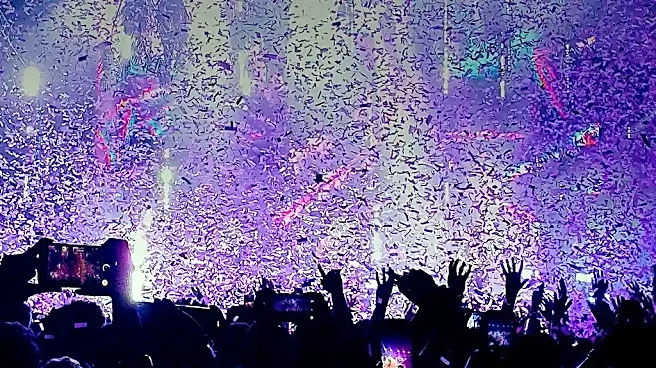
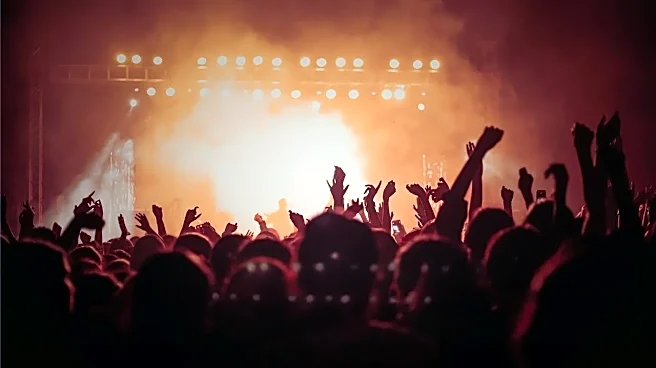
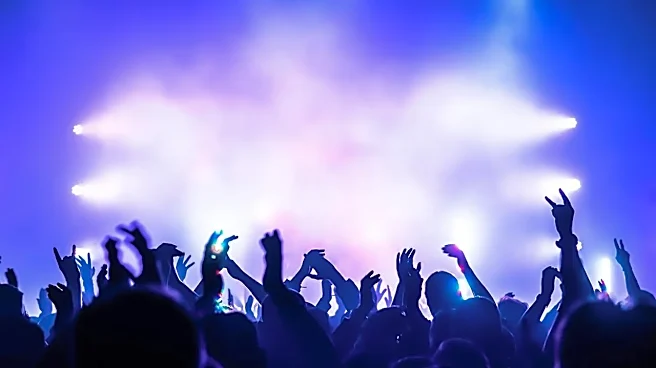
In an era of deep social fragmentation and algorithm-driven cultural bubbles, these singalongs feel more significant than ever. They are rare, organic moments of collective effervescence—a term sociologists use for the feeling of synchronized energy that comes from being part of a group. For three minutes, political divides, generational gaps, and personal anxieties dissolve. Research shows that singing with others can act as a powerful tool for social bonding, boosting moods and even triggering the release of oxytocin, a hormone associated with trust and connection. It’s a powerful reminder that beneath our carefully curated individual identities, there is a fundamental human need to belong. The shared chorus becomes a temporary common ground, a space where thousands of people are, quite literally, on the same wavelength. It’s a flash of pure, unforced community in an increasingly divided world.