



More Than Just Color and Matrix
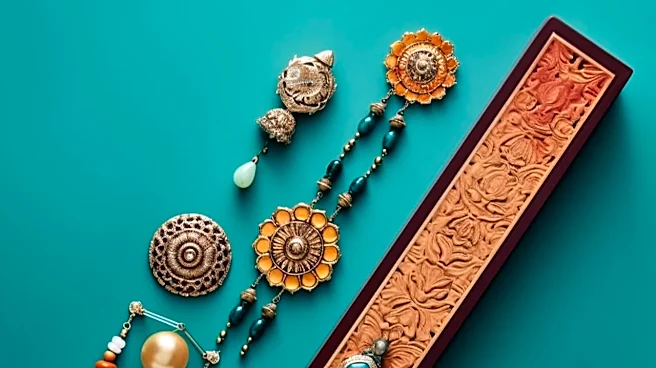
When most people shop for turquoise, their eyes are drawn to two things: color and matrix. The ideal color is often considered a rich, even, robin's egg blue, while the matrix—the web of host rock that runs through the stone—can range from nonexistent
to a bold spiderweb pattern. In the American Southwest, a strong matrix is often highly valued, seen as a connection between the sky (the blue) and the earth (the rock). While these elements are certainly important to a stone's beauty and value, they only tell part of the story. A true assessment of craftsmanship requires you to look beyond the face of the stone and inspect the parts that aren't immediately visible.
The Secret on the Back of the Stone
The most telling—and often overlooked—detail of turquoise craftsmanship is its backing. Because turquoise is a relatively soft and porous stone, ranking 5 to 6 on the Mohs hardness scale, it can be fragile. Thinner slabs or more delicate cuts are prone to cracking during the setting process or with daily wear. To prevent this, artisans often apply a backing of a hard material, typically an epoxy mixed with powdered stone, to the underside of the cabochon (the polished, unfaceted gem). This isn't a sign of a low-quality stone; in fact, it's an industry-standard practice that allows for larger, more intricate designs that would otherwise be too fragile to wear. The quality of the backing, however, is a direct reflection of the artisan's skill and care. A well-crafted piece will have a neat, smooth, and uniform backing. In contrast, a sloppy, thick, or uneven application suggests a rushed, mass-produced approach.
What the Backing Tells You
Flipping a piece of turquoise jewelry over can be incredibly revealing. A perfectly flat, often black underside typically signals the presence of a backing. High-end, natural turquoise that is hard enough on its own might not have any backing at all, showcasing the raw, untouched stone. But when backing is present, its execution is key. Some artisans in the American Southwest even see a clean backing as a mark of pride, a signature that the stone was hand-cut in the USA. It demonstrates a commitment to durability and a respect for the material. It ensures the stone sits correctly in its bezel setting and protects it from the pressure of being secured in metal. Essentially, if the artist took the time to perfectly finish a part of the piece that no one may ever see, it’s a strong indicator that the rest of the work was done with equal attention to detail.
Stabilized vs. Natural: Understanding the Material
The presence of backing often goes hand-in-hand with whether the turquoise is natural or has been stabilized. Much of the turquoise mined is too soft or chalky to be used in jewelry without treatment. The stabilization process involves infusing the porous stone with a clear resin under pressure, which hardens the material and locks in its color. This makes the stone far more durable for everyday wear, preventing it from absorbing oils from the skin or changing color over time. While untreated, high-grade natural turquoise is rarer and more valuable to collectors, stabilized turquoise is a practical and widely accepted choice for wearable jewelry. An honest seller will always disclose if a stone is natural or stabilized. Understanding this distinction provides context for why a backing might have been necessary and helps you make a more informed purchase.