




Sure, you can hide behind a pillow on your own couch. But the true, bone-chilling magic of a horror movie isn't just about the scares—it's about where you experience them. This Halloween, the case for the cinema is stronger than ever.
An Orchestra of Fear
Horror is an intensely
auditory genre, and filmmakers are masters of manipulating sound to create dread. In a modern movie theater, sound isn't just loud; it's meticulously designed and placed. Low-frequency rumbles that you feel in your chest, the unsettling quiet before a jump scare, or a faint whisper that seems to come from right behind you are all tools of the trade. These effects often use advanced surround sound systems to create an immersive, three-dimensional audio environment. What might sound like a simple creak or a distant bang on a TV becomes a precise, terrifying signal in a theater, suggesting a threat is closer than you think. This careful construction of soundscapes is designed to trigger our brain's most primal alert systems, creating a physical and psychological reaction that standard home audio setups simply cannot match.
The Tyranny of the Big Screen
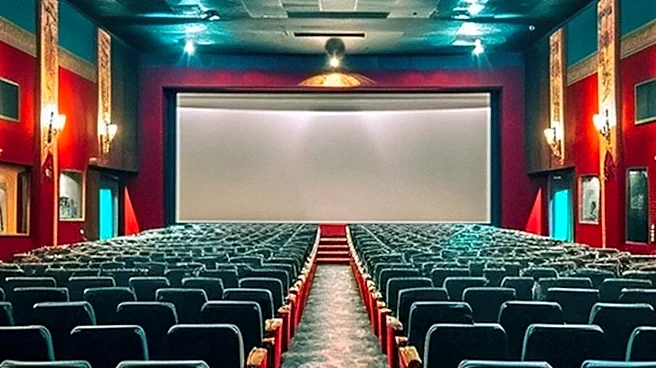
What you can't see is often scarier than what you can. Horror directors use the vast canvas of the cinema screen to play with your focus. They might draw your eye to one corner while the real threat slowly emerges from the shadows in your periphery. This masterful use of composition is diminished on a smaller screen, where the entire frame is easily scanned. In a dark theater, the screen dominates your field of vision, forcing you to surrender to the director's control. You can't just glance away or get distracted by your phone. This forced immersion is crucial for building suspense. The darkness of the theater also enhances the darkness on screen, making shadows deeper and the unknown elements hiding within them more menacing. It’s an environment built to eliminate distractions and maximize the film’s intended visual impact.
The Psychology of Shared Fright
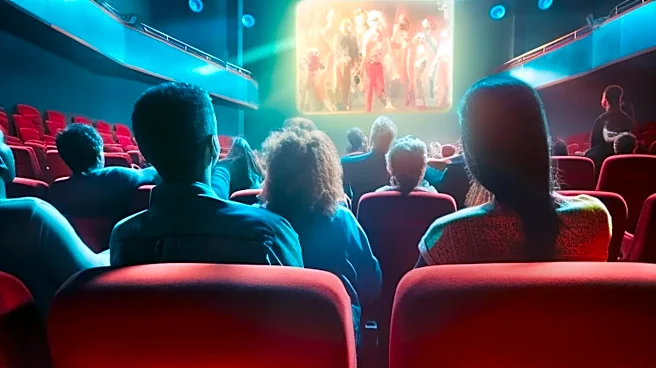
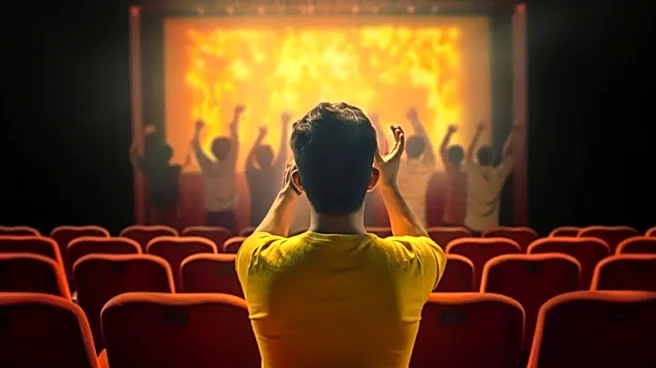
There’s a powerful, paradoxical comfort in being scared together. Experiencing fear in a group creates a unique bonding experience. Psychologically, this is known as a shared emotional experience, and it can amplify our own reactions through a process called emotional contagion. When the person next to you gasps, you’re more likely to feel a jolt of fear yourself. The collective screams, nervous laughter, and shared sighs of relief create a sense of camaraderie and psychological safety. You’re experiencing intense fear, but the presence of others reminds your brain that you are in a safe, controlled environment. This allows for a deeper catharsis—a release of pent-up tension and emotion that can leave you feeling exhilarated and relieved once the credits roll.
A Ritual of Controlled Chaos
Watching a horror film in a theater is a commitment. You can't pause for a snack, turn on the lights, or fast forward through the tense parts. This inability to control the pace forces a surrender that is essential for the genre to work its magic. You are strapped into an emotional rollercoaster, and you have no choice but to ride it out. This surrender makes the experience more potent. In our distraction filled lives, the focused environment of a movie theater allows us to fully engage with the film's atmosphere and narrative. It becomes a ritual, a form of exposure therapy where we confront our anxieties in a managed setting. By willingly stepping into a frightening scenario and emerging unscathed, we can experience a sense of mastery over our fears, which can be psychologically rewarding.