
The Sensory Shortcut to Emotion
The secret isn't one single gadget or trick, but a deliberate filmmaking philosophy: making the audience feel the story, not just watch it. In an era dominated by superheroes and spectacle, the most impactful
dramas of the fall awards season often turn inward, using technology and technique to create a rich, sensory experience. The goal is to transform a simple conversation or a moment of quiet reflection into something monumental. Cinematography and sound design are the twin engines of this approach. They work together not just to show you a character is lonely, but to make you feel the oppressive silence and the vast, empty space in the room around them. It’s about translating internal emotion into an external, physical experience for the viewer. By focusing on visual and auditory details, filmmakers can craft a world that feels emotionally real and deeply immersive, pulling you directly into the characters' subjective point of view.
The Architecture of Immersive Sound
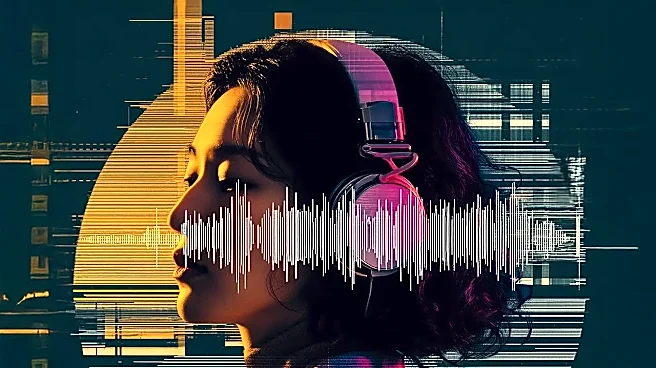
Sound is arguably the most powerful, yet overlooked, element. Many associate advanced audio formats like Dolby Atmos with explosions and spaceships, but its true power in drama is its subtlety. Sound designers can now place specific sounds in a three-dimensional space, creating an incredibly detailed and realistic aural environment. Think of the faint rustle of a character's jacket as they shift uncomfortably, the specific echo of footsteps in an empty house, or the overwhelming din of a city street that reflects a character's inner turmoil. This isn't just background noise; it's storytelling. In quiet films, silence itself becomes a tool, used to build tension and force the audience to lean in. The contrast between a near-silent scene and a sudden, sharp sound can be more jarring than any CGI monster. By building these complex layers of sound, filmmakers create an invisible architecture that guides the audience’s emotional journey without a single word of dialogue.
Painting with Light and Shadow
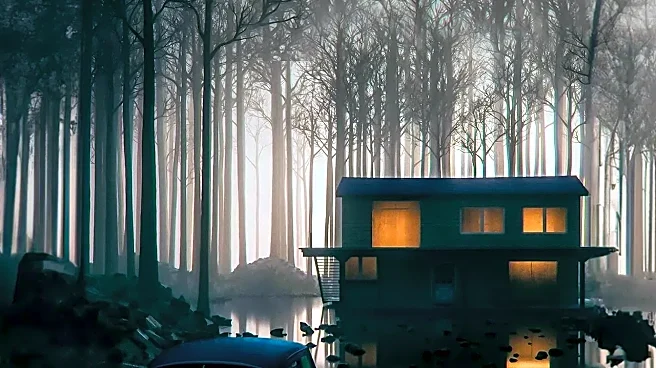
While sound builds the unseen world, cinematography gives it a soul. It's the art of using light, color, and framing to tell the story visually. In intimate dramas, cinematographers often use soft, natural light to create a sense of realism and vulnerability. The way light falls on a character's face can communicate their entire emotional state without them saying a word. Camera placement is also critical. A camera might stay at a distance to emphasize a character's isolation or use tight close-ups to create a feeling of intense intimacy or claustrophobia. Even the choice of lens can transform a scene; a telephoto lens can compress the background, making the world feel both beautiful and distant, a perfect visual metaphor for memory or longing. These choices are never accidental. They are all part of a deliberate visual language designed to enhance the story's themes and draw the audience deeper into the characters' lives.
The Power of the Deliberate Pace
Finally, the 'secret weapon' is deployed in the edit suite through pacing. The rhythm of a film—how long an editor holds on a shot before cutting—has a profound impact on its emotional weight. While action movies use rapid cuts to create energy, quiet dramas do the opposite. By letting a shot linger, an editor gives the audience time to absorb a performance, to notice a subtle shift in expression, or to simply sit with a character in a powerful moment of stillness. These intentional pauses, or 'breaths,' create a contemplative rhythm that allows emotion to build gradually. It’s a technique that demands patience from the viewer but offers a much deeper reward. Instead of being rushed from one plot point to the next, we are invited to inhabit the story, to experience time as the characters do. This slower pace makes small moments feel significant and emotional crescendos feel earned and overwhelming.