








The Aesthetic Choice: Rooting for Art
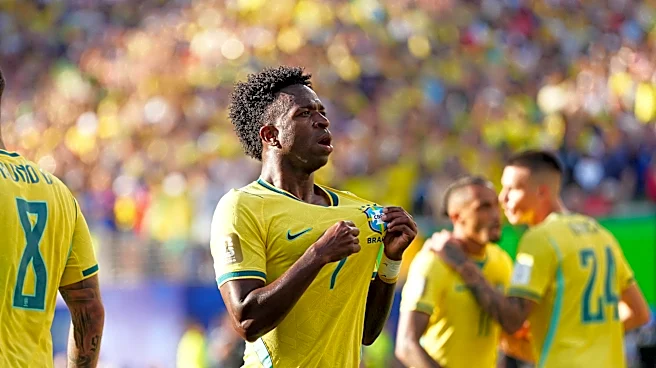
For many casual fans, soccer is an art form before it’s a sport. When your primary investment is entertainment, you don’t pick a team based on defensive solidity; you pick them based on flair. This is why Brazil has been America’s unofficial second team for decades.
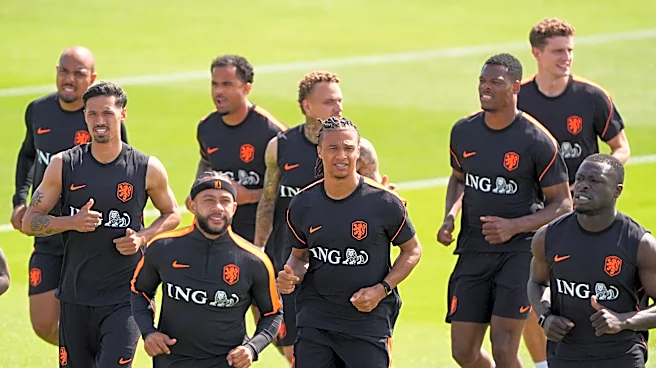
The legend of “Joga Bonito” (the beautiful game), perfected by Pelé and passed down through generations of dazzling superstars, created an irresistible global brand. Rooting for Brazil is rooting for creativity, joy, and the audacious flick-over an opponent’s head. Similarly, the Netherlands holds a special place in fans’ hearts because of their iconic orange kits and the revolutionary “Total Football” of the 1970s. Even if you don’t know the history, you can feel the philosophy: a fluid, attacking style where every player is part of the offense. Picking these teams isn’t about patriotism; it’s about having a front-row seat to the best show on turf.
The Heritage Pick: Answering the Ancestral Call
In a nation of immigrants, the World Cup often doubles as a global family reunion. For millions of Americans, picking a second team is as simple as looking at their last name. Italian-Americans rally behind the Azzurri, Irish-Americans passionately support the Boys in Green, and Mexican-Americans often feel a powerful dual loyalty. This connection runs deeper than simple fandom. It’s a way to participate in a cultural event that links them to their grandparents’ stories and a heritage that might otherwise feel distant. When Italy or Mexico scores, the celebrations that erupt in neighborhoods across the U.S. aren’t just about sports—they’re a vibrant expression of identity. This choice isn’t logical, it’s instinctual. It’s a chance, every four years, to wear your ancestry on your sleeve.
The Familiarity Factor: The Premier League Pipeline
Over the last two decades, the English Premier League has become a Saturday morning ritual for a growing legion of American fans. They know the players, they know the rivalries, and they have a favorite club. When the World Cup or Euros roll around, that existing knowledge creates a natural pathway to fandom. If you’re a Liverpool fan, you might find yourself pulling for England to see Trent Alexander-Arnold and for the Netherlands to support Virgil van Dijk. If you’re a Manchester City supporter, you’re suddenly invested in half a dozen national teams. For many, England becomes the default second team simply because the players and commentators are the most familiar. It lowers the barrier to entry, turning a potentially confusing tournament into a collection of recognizable faces and storylines.
The Romantic Underdog: A Love for the Long Shot
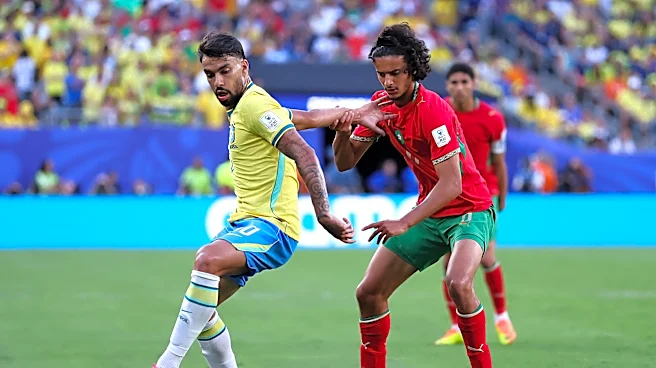
American sports culture is built on the Cinderella story. We love a 16-seed upsetting a 1-seed, a wild card team making a miracle run. This translates perfectly to international soccer. Every tournament serves up a compelling underdog that captures the world’s imagination. Think of Croatia’s stunning run to the 2018 World Cup final, a tiny nation of four million people with a checkerboard kit and an unbreakable spirit. Or Morocco in 2022, becoming the first African team to reach a semifinal. These teams offer a pure, low-stakes rooting interest. There’s no baggage, no historical rivalry—just the thrill of watching a team defy expectations. While the specific team may change, the *type* of team we adopt is often the same: the passionate, well-organized squad that plays with more heart than payroll.
The Iconic Brand: It's Just a Cool Jersey
Sometimes, it’s not that deep. Some national teams simply have an undeniable aura. They are, for lack of a better word, cool. The aforementioned Dutch orange is iconic. Croatia’s red-and-white checks are unmistakable and fashionable. The elegant blue of Italy, the crisp white of Germany—these are brands as much as they are teams. This aesthetic appeal is a powerful hook for a casual viewer. It provides an immediate visual identity to latch onto. When you’re flipping through games and don’t have a strong preference, your eye might just settle on the team that looks the best. It’s the sports equivalent of picking a bottle of wine based on the label, and there’s no shame in it. It’s an easy entry point into the drama of the tournament, and once you’ve picked a side for its style, you might just stick with them for the substance.