


Concrete Monsters vs. Abstract Dread
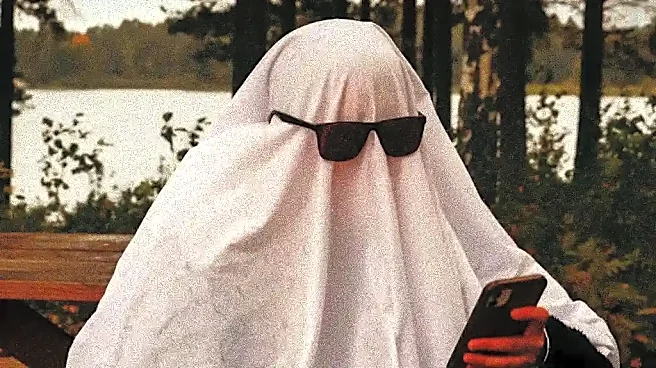
For young children, fear is often a direct response to what they can see and hear. A monster with sharp teeth, a ghost jumping out from a closet, or a loud, sudden noise are terrifying because they are immediate, tangible threats. A child's developing
brain is wired to react to clear and present danger, even when it's on a screen. Their fear is concrete. Adults, on the other hand, have years of experience telling them the monster isn't real. What gets under their skin is often more subtle and psychological. It’s the creeping sense of dread, the unsettling music, or the slow unraveling of a character's sanity. We're not scared of the ghost; we're scared of what its presence implies about loss, isolation, or a breakdown in reality.
The Blurry Line Between Fantasy and Reality
A key developmental milestone is learning to distinguish fantasy from reality. For many children, especially those under eight, that line is still blurry. When they see a scary character, their brain can react as if the danger is real, triggering a genuine 'fight or flight' response. They may not have the cognitive tools to reassure themselves that it's 'just a movie'. This is why a cartoon witch can cause nightmares, or a movie monster might be perceived as something that could actually appear in their room at night. Adults have a firm wall between the two. We use the movie as a safe space to experience 'recreational fear'—a controlled dose of adrenaline and dopamine that can feel exciting because we know we are not truly in danger. The fear is part of the fun, not a genuine threat to our safety.
Life Experience as a Fear Filter
Our fears evolve as we do. A child's world is relatively small, and their fears reflect that: separation from parents, the dark, strange creatures. Adults carry a much heavier backpack of life experiences and anxieties. A horror movie about a home invasion is terrifying to an adult not because of jump scares, but because it taps into deep-seated fears about personal security and protecting one's family. A film about a mysterious illness might trigger anxieties about health and mortality, while a psychological thriller can play on fears of betrayal or losing one's mind. These are existential fears that children simply haven't encountered yet. An adult might identify with the movie's protagonist and their very adult problems, making the horror feel more personal and plausible.
The Power of What You Don't See
Suspense is often called the engine of adult horror. We are more frightened by the anticipation of the scare than the scare itself. It's the slow creak of a floorboard upstairs, the character making a terrible decision, or the chilling realization that something is deeply wrong. This is the fear of implication. Our minds fill in the terrifying blanks. Children are generally less susceptible to this kind of slow-burn terror. Their fear response is more immediate. They're scared when the monster finally appears, not by the 20 minutes of suspenseful music leading up to it. As our cognitive abilities mature, our capacity to imagine worst-case scenarios grows, making psychological horror and suspense far more potent.