








1. The Pre-Game Huddle: Prep is Everything
A successful match day begins the night before. Just as a coach lays out a strategy, you need to minimize game-time friction. This means handling the small stuff in advance. Lay out the kids’ clothes for the next day. If the match is early, prep a simple
breakfast like overnight oats or muffins. If it’s a late game, make sure dinner is an easy-to-reheat affair. The goal is to create a 90-minute oasis where you aren’t scrambling to find a matching sock or figure out what to cook. Think of it as clearing the field for kickoff; a little prep buys you a lot of peace.
2. Build Your Home Stadium
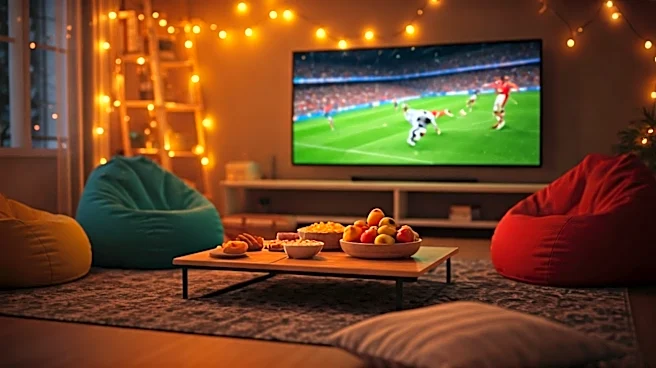
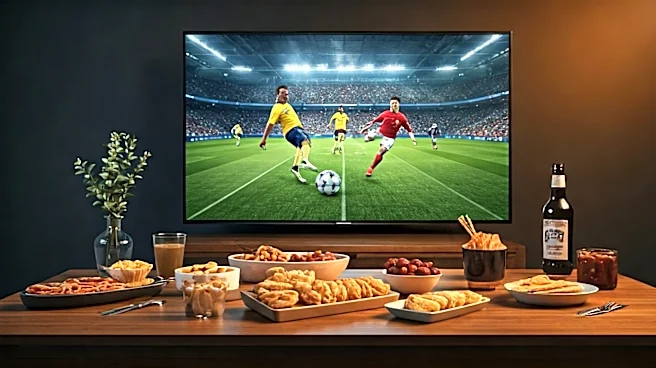
You can’t go to the game, so bring the game to you. The key is to reframe “watching TV” as a special event. Let the kids help you build a “stadium” in the living room with pillows and blankets. If you’re feeling ambitious, a few balloons or streamers in the colors of the team you’re supporting can transform the space. This isn’t just for them; it’s for you. Creating a festive atmosphere helps shift your own mindset from “trying to distract the kids so I can watch” to “sharing an experience with my family.” It also gives little hands something to do and makes them feel like part of the excitement.
3. The All-Star Snack Lineup
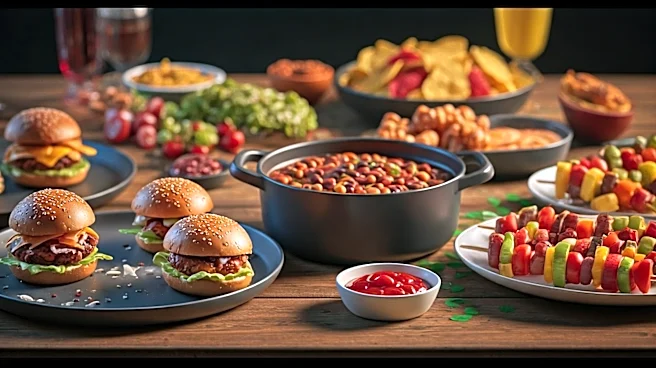
Nothing says “game day” like special snacks, but this is not the time for a complex, multi-course meal. Your mantra is simple, low-mess, and exciting. Think popcorn, pretzel sticks, sliced fruit, or a tray of cheese and crackers. You can give them fun names like “goalie gloves” for mini-croissants or “corner kicks” for carrot sticks. A thermos of hot chocolate for a cold-morning match or a pitcher of lemonade for an afternoon game adds to the event feel. The snacks serve a dual purpose: they keep hunger at bay and act as a perfect halftime activity, breaking up the game into manageable chunks for shorter attention spans.
4. Get Your Little Teammates Involved
Your five-year-old might not understand the nuances of the offside rule, but they can definitely get excited about picking a team. Before the tournament, show them the flags of a few key countries and let them choose their favorite. This gives them a horse in the race. During the match, give them a simple job. They can be the “cheerleader” who waves a scarf when your team gets close to the goal, or the “referee” who blows a whistle (use this one with caution!) for a foul. For older kids, you can print a simple tournament bracket and have them track the winners. It turns passive viewing into active participation.
5. Master the Art of the Highlight Reel
Here is the single most important piece of advice: give yourself permission to not see every single second live. This is the reality of solo parenting. There will be spills. There will be arguments over a toy. The dog will need to go out at the exact moment of a penalty kick. It’s okay. The beauty of modern sports is that you can catch up instantly. Know where to find official highlights on YouTube or your streaming service. If you miss a goal, you can watch it from ten different angles two minutes later. Releasing the pressure to have a “perfect” viewing experience will allow you to enjoy the moments you *do* get to see, stress-free.
6. Plan Your Halftime and Post-Game
Halftime is a magical 15-minute window. Use it strategically. This is your chance for a quick cleanup, a bathroom break for everyone, or a quick energy-burning game like “how many jumping jacks can you do before the game starts again?” For post-game, especially if your team loses, it's a great opportunity for a micro-lesson in sportsmanship. Talk about how both teams played hard. If they win, celebrate! A quick “victory dance” to a favorite song can be a fun way to cap off the experience. It’s about creating a tradition and a memory, not just watching a sport.