


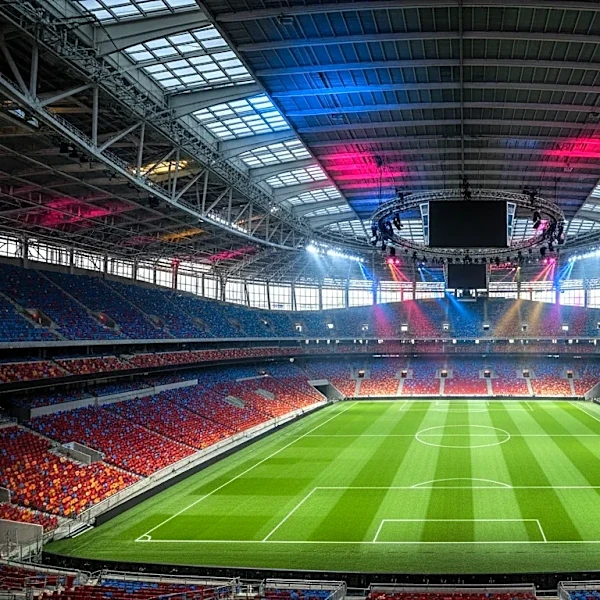






A Tournament of Unprecedented Scale
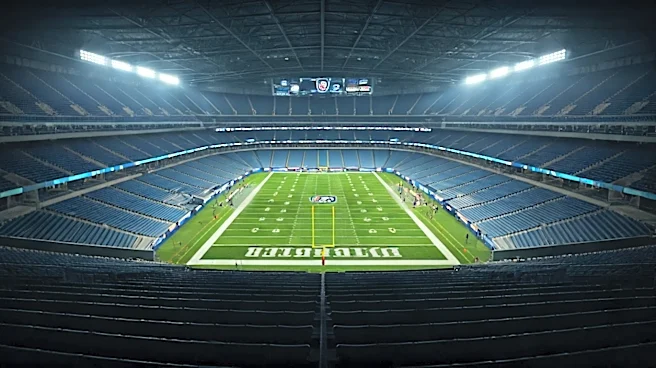
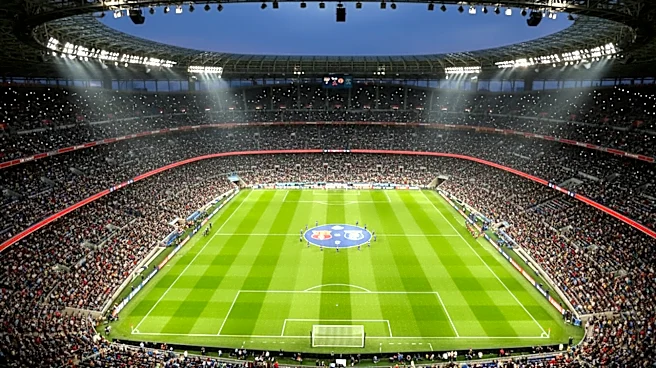
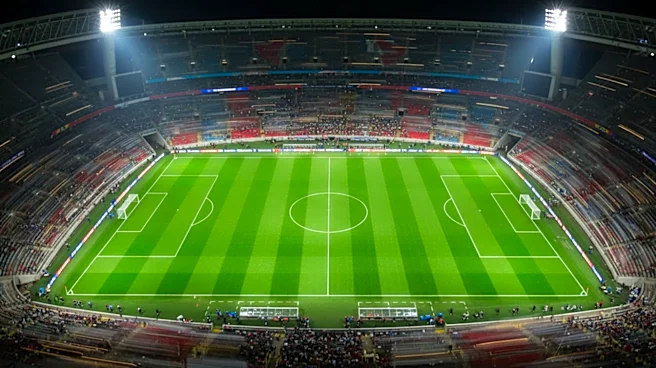
First, let's talk numbers. The 2026 World Cup is the largest in history, expanding to 48 teams playing 104 matches across 16 cities in the U.S., Canada, and Mexico. The majority of the games, including every match from the quarterfinals onward, are on U.S. soil.
This isn't like a Super Bowl or even an Olympics, which are concentrated in a single metro area. This is a rolling, nationwide event expected to draw millions of international visitors over five weeks. The sheer geographic spread—from MetLife Stadium in New Jersey to SoFi Stadium in Los Angeles—creates a logistical and travel challenge unlike anything the U.S. has hosted before. Projections estimate it will generate billions in economic activity, with each host city seeing hundreds of millions in incremental revenue.
The Unique Nature of Soccer Fandom
The second key difference is the fan culture. American sports fans travel, but international soccer fans embark on pilgrimages. They don't just fly in for a game and fly out; they often travel for weeks, with or without tickets, soaking in the atmosphere. Many visitors will use the tournament as a launchpad to explore the country, turning game-day trips into extended vacations. This creates a phenomenon of 'gateway travel,' where fans attending a match in Boston might spend the following week exploring New England. This has a ripple effect, bringing tourism dollars to non-host cities and rural areas as fans explore destinations from national parks to small-town diners. This model of a mobile, decentralized party is fundamentally different from the contained, corporate-heavy environment of many U.S. championship events.
A Coast-to-Coast Logistical Puzzle
Hosting this traveling carnival presents an enormous test for American infrastructure. While some cities like Seattle have transit systems well-suited to moving fans, many others are confronting major hurdles. Cities like Dallas and Kansas City have less robust public transit, creating a heavy reliance on cars and special bus services. In some cases, stadiums are located miles outside the city center whose name they bear, like Gillette Stadium near Boston, requiring expensive, dedicated trains for transport. The vast distances between host cities mean air travel is a necessity for most cross-country fans, adding another layer of cost and complexity. Successfully managing this flow of people across multiple time zones for over a month requires a level of coordination between local, state, and federal agencies that is simply unprecedented for a sporting event.
A Lasting Legacy for Tourism and Soccer
Beyond the immediate economic boost, the World Cup offers a chance to leave a lasting legacy. For many host cities, the event is a catalyst for long-term infrastructure investments, from airport upgrades to new public transit lines. But the biggest impact may be cultural. The 1994 World Cup is widely credited with kickstarting the modern era of American soccer, leading to the launch of Major League Soccer. The 2026 tournament, with its massive scale and visibility, has the potential to cement soccer's place in the mainstream American sports landscape. It also serves as a massive marketing opportunity, showcasing American cities, culture, and hospitality to a global audience of billions. A positive experience for the millions of visitors could translate into repeat tourism for years to come, fundamentally altering how the world sees America as a travel destination.