


An Echo of the All-White Rule
Wimbledon's most famous tradition is the all-white dress code for players, a rule dating back to the Victorian era when visible perspiration was considered improper. White clothing, it was believed, minimized the appearance of sweat, preserving a sense
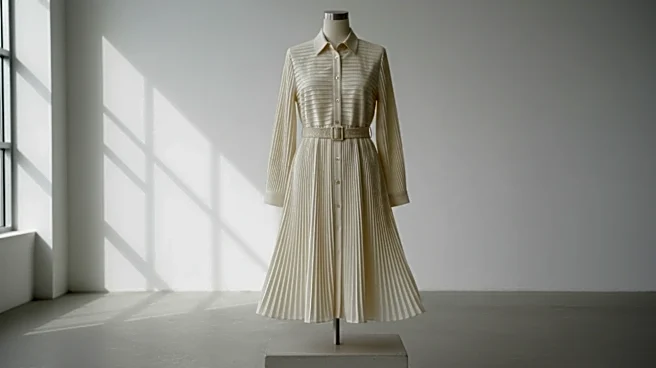
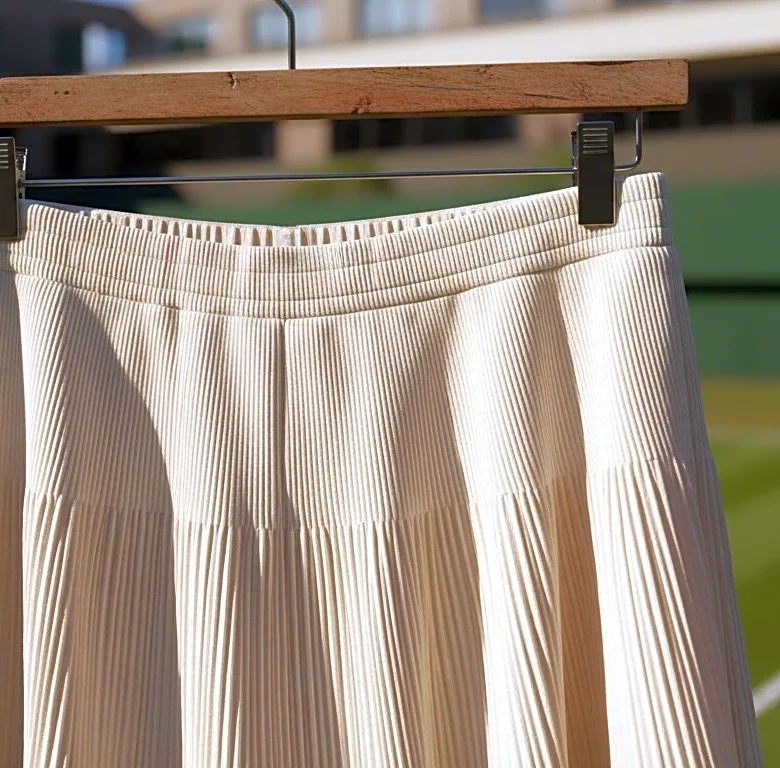
of decorum. This strict on-court uniformity has a powerful ripple effect on spectators. While there's no official dress code for most attendees, the environment encourages a certain sartorial reverence. Flashy, attention-grabbing trends feel out of place against the manicured green lawns and the players' crisp whites. Instead, the crowd gravitates toward a look of quiet luxury and classic elegance, creating a visual conversation with the tournament's deep-rooted history. The pleated shirt dress fits this mood perfectly—it is structured, modest, and refined, a respectful nod to the institution itself.
A Direct Descendant of Tennis History
The pleated skirt isn't just a spectator trend; it's a piece of tennis history. Early women's tennis attire was incredibly restrictive, involving corsets and floor-length skirts better suited for a garden party. The 1920s saw a revolution thanks to French player Suzanne Lenglen, who scandalized the establishment by wearing a calf-length pleated skirt and sleeveless top designed by Jean Patou. The pleats weren't just a style choice; they were functional, allowing for greater freedom of movement on the court. American player Helen Wills championed the look in 1928, calling the pleated skirt a thing of “classic simplicity” and “grace and beauty in action.” The modern pleated shirt dress is a direct descendant of this legacy. It combines the tailored, collared top half—reminiscent of early men's tennis shirts—with the flowing, athletic grace of the pleated skirt, embodying a century of on-court evolution.
The Ralph Lauren Effect
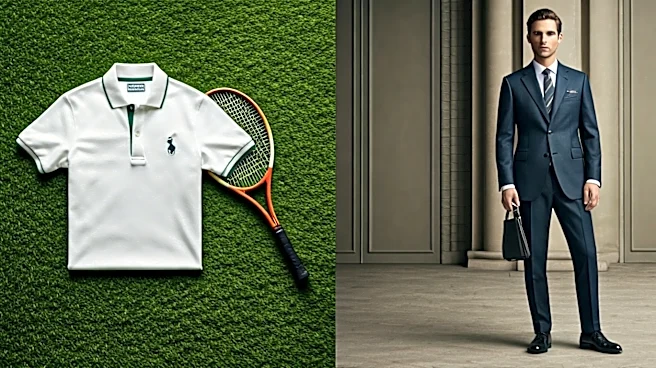
You can't talk about Wimbledon's aesthetic without mentioning Ralph Lauren. Since 2006, the American brand has been the tournament's official outfitter, dressing umpires, line judges, and ball persons. This partnership is a masterclass in branding, as Ralph Lauren didn't just sponsor the event; it absorbed and amplified its heritage. The brand's entire ethos—built on aspirational, preppy, and timeless style—is a perfect match for Wimbledon. By outfitting the officials, Ralph Lauren became part of the tournament's visual identity, reinforcing a specific look that feels both classic and contemporary. This extends to the spectator collections, which often feature pleated dresses and skirts, creating a feedback loop. Ralph Lauren defines the Wimbledon look, and the spectators, in turn, adopt it, cementing the pleated shirt dress as a core part of the event's DNA.
More Than a Dress, It's a Capsule
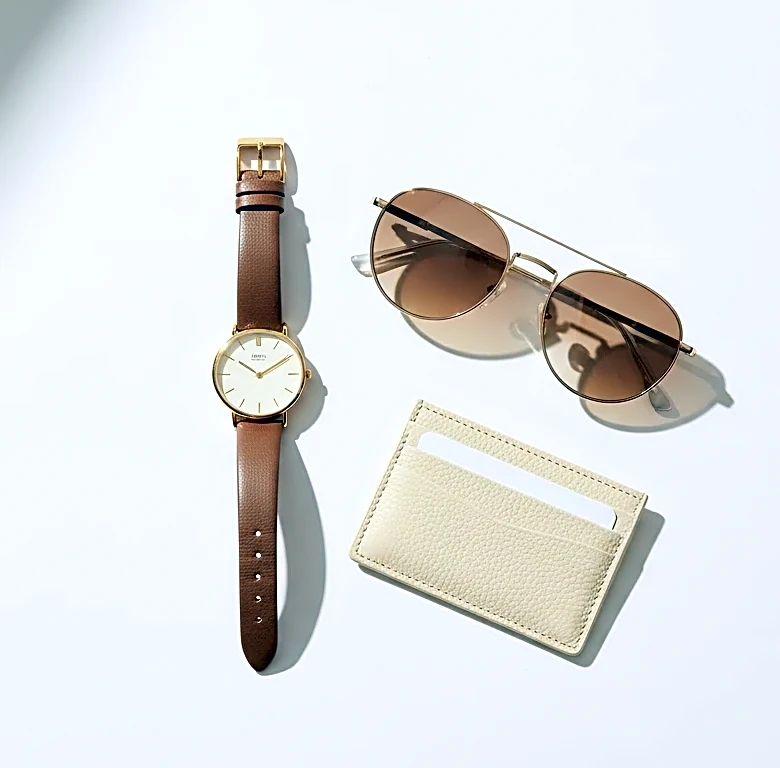
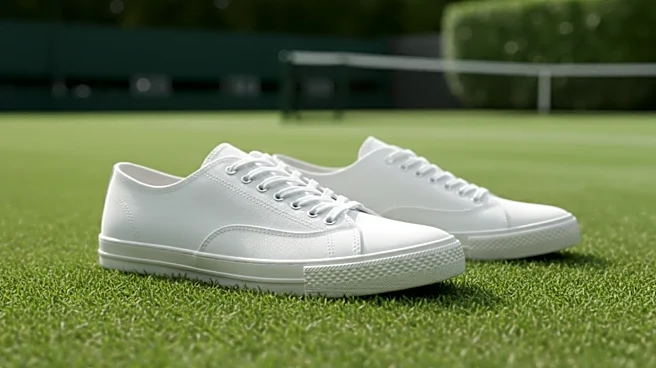
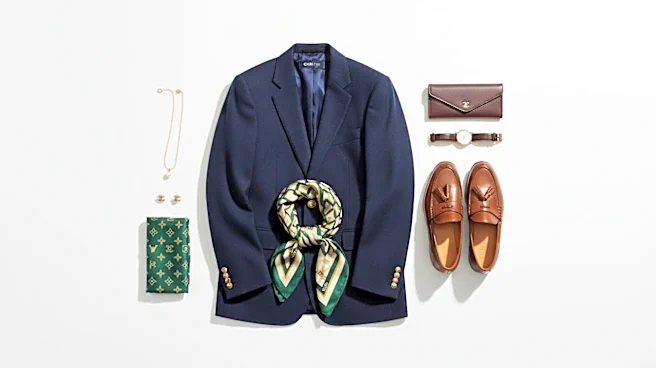
The true genius of the pleated shirt dress lies in its role as the centerpiece of a complete, effortless outfit—a 'capsule' in fashion terms. The look isn't just the dress itself; it's the entire ensemble. It’s the cable-knit sweater draped artfully over the shoulders, the classic leather crossbody bag, the oversized sunglasses, and the understated sandals or white trainers. This formula is repeatable, reliable, and telegraphs an understanding of the unspoken codes of the event. It says you are part of the club without needing to shout. The micro-pleats add a modern texture that feels current, while the shirtdress silhouette remains eternally classic. It’s a look that is both practical for a long day of watching tennis and chic enough for any social setting, embodying the very essence of Wimbledon's sophisticated charm.