





First, What Is a Textured Crop?
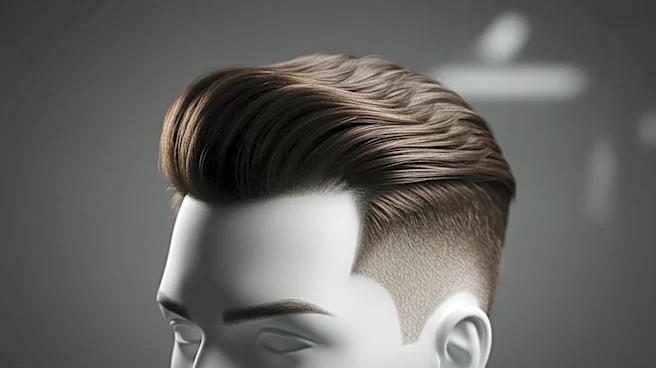
At its core, a textured crop is a modern men's hairstyle defined by short sides and a slightly longer, layered top. The key is the intentional, choppy texture on top, which is designed to create movement and separation. Unlike a classic Caesar or a simple
short-back-and-sides, the goal isn't a single, uniform length. Instead, barbers use techniques like point cutting or razoring to create a piecey, lived-in finish that looks structured from a distance but effortless up close. It’s typically styled forward, with a fringe that can range from a short, blunt line to a longer, wispier sweep.
The Foundation: A Flawless Fade or Taper
A textured crop is only as good as its foundation, and that foundation is the fade or taper on the sides and back. This is where the precision comes in. A high skin fade creates a dramatic, high-contrast look that draws attention to the volume on top. A lower taper, on the other hand, offers a more professional, subtle finish that grows out gracefully. The most popular choice is often a mid-fade, which provides a clean, modern edge without feeling too aggressive. A "drop fade," which curves down behind the ear, can offer a more natural contour. The key is that the sides are immaculately blended, creating a sharp silhouette that makes the texture on top pop.
The Main Event: Intentional Texture on Top
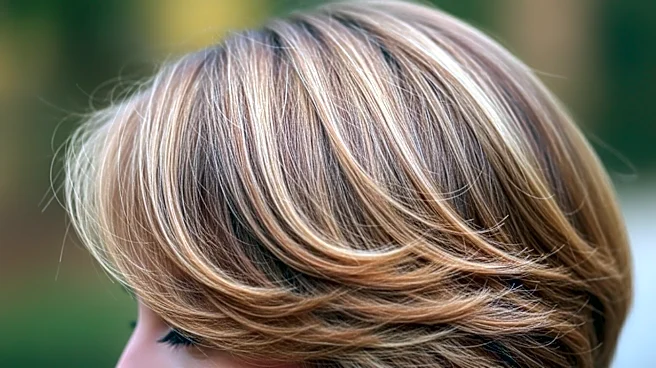
The magic of this cut is in the name: texture. A crop that’s “done right” doesn’t just look messy; it has carefully crafted separation and movement. This is achieved by the barber cutting into the hair to remove weight and create different lengths within the style. One common mistake is to think the texture should be all over, including the fringe. However, a well-executed crop often features a slightly heavier, cleaner fringe line, with the choppy, separated texture focused behind it in the mid-section and crown. This contrast is what makes the style look intentional rather than like a grown-out haircut. It works on straight, wavy, and even curly hair, as the technique can be adapted to enhance the hair's natural movement.
Styling Is Not an Optional Step
This haircut doesn’t just happen when you roll out of bed; it requires a small amount of product to bring it to life. The goal is to enhance the texture your barber created, not to plaster it down. For most guys, a matte-finish product like a styling clay or paste is the hero. A pea-sized amount warmed between your palms and worked through dry or towel-dried hair from back to front is usually all it takes. This method prevents the front from getting too heavy and allows you to piece out sections with your fingertips. For extra volume, some stylists recommend using a sea salt spray on damp hair before blow-drying with your fingers to lift the roots. The golden rule is to stop before you think you're done; a slightly imperfect finish looks more natural.
How to Ask Your Barber for It
Walking in and just saying “give me a textured crop” can lead to disaster. The best approach is to be specific and, most importantly, bring photos. Find a few examples of guys with a similar hair type and face shape to yours. Then, break down your request into three parts. First, specify the sides: “I’d like a mid skin fade” or “a low taper.” Second, describe the length on top and the fringe: “Leave about two inches on top, with the fringe falling just above my eyebrows.” Finally, explain the finish you want: “Please add a lot of choppy texture on top so it looks piecey and separated, not heavy.” A good barber will understand this language and can tailor the cut to you.