

From Red Carpet to Cultural Moment
The Venice Film Festival is one of the world's oldest and most glamorous cinematic events, a place of auteur directors and Oscar-buzz premieres. But in recent years, its most lasting impact often isn't a prize-winning film, but a viral moment. A candid
interaction, an awkward photo, or a bizarre red-carpet exchange can be clipped, screenshotted, and remixed into a meme within minutes. Suddenly, a multi-million dollar film's carefully crafted promotional tour is hijacked by an inside joke the entire internet is in on. This isn't a bug in the system; it's increasingly becoming a central feature of how modern audiences connect with movies. The polished, formal press tour has given way to a chaotic, audience-driven conversation that studios can neither fully control nor afford to ignore.
The Power of Unplanned Virality
The 'Barbenheimer' phenomenon of 2023 serves as the ultimate case study. Two films with opposite aesthetics, 'Barbie' and 'Oppenheimer', were released on the same day, and the internet spontaneously created a marketing campaign that was more effective than anything a studio could have designed. Memes mashed up the bubblegum pink of 'Barbie' with the somber black-and-white of 'Oppenheimer,' creating a cultural event that encouraged audiences to see both as a double feature. Similarly, the press tour for 'Don't Worry Darling' in 2022 became legendary not for its talking points, but for the memes dissecting the cast's seemingly frosty interactions. This organic, user-generated buzz can generate a level of awareness that money can't buy, proving that audiences are often more interested in the unscripted human drama surrounding a film than the official marketing message.
When Studios Try to Manufacture Magic
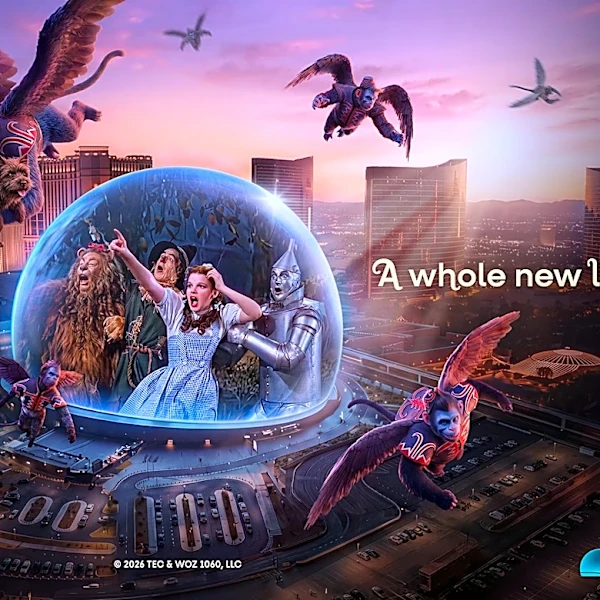
Seeing the power of organic memes, marketing departments have shifted from passive observers to active participants. The strategy is no longer just to release a trailer but to orchestrate a cultural moment. Campaigns for films like 'Twisters' leaned heavily into TikTok trends, having the cast perform viral dances to engage a younger demographic. The marketing for 'Barbie' was a masterclass in creating meme-able, real-world experiences, from a real-life Dreamhouse to CGI-driven 'Fake Out-of-Home' ads designed to be shared online. The goal is to blur the line between advertising and authentic entertainment, making the audience feel like they are part of the fun rather than being marketed to. However, this approach is a high-wire act. When a campaign feels forced or inauthentic, audiences can turn on it, as seen with the ironic, and ultimately unsuccessful, meme-driven rerelease of the film 'Morbius'.
The Audience Is the New Marketing Team
What this trend truly signifies is a fundamental shift in the power dynamic of film promotion. By creating and sharing memes, the audience is essentially working as a massive, unpaid, and highly effective marketing team. Every share, remix, and joke is a form of free advertising that builds a sense of community and anticipation around a film. This democratization of promotion allows even smaller or more niche films to find a foothold in the cultural conversation if they strike the right chord online. Studios now provide the raw materials—the clips, the stars, the behind-the-scenes footage—and wait to see if the internet's content creators will transform it into viral gold. It's a surrender of control that many old-guard marketers find terrifying, but one that has become essential for reaching audiences in a saturated media landscape.