


A Future Forged in Techno-Optimism
The late 1990s were defined by a unique blend of excitement and anxiety about the future. The dot-com boom was minting millionaires, the internet was becoming a household utility, and the impending arrival of a new millennium created a powerful sense
of techno-utopianism. People felt like they were living on the cusp of a sci-fi reality. This translated directly into fashion, with designers embracing materials and silhouettes that looked like they belonged in the 21st century. Think shiny, metallic fabrics, chrome and silver color palettes, and sleek, form-fitting designs inspired by what we imagined we'd wear in the space-age future. Even the name "Y2K" itself, born from the feared millennium bug, encapsulated this duality of technological promise and peril, fueling a desire for aesthetics that were unapologetically modern and digital.
The Dawn of Digital Culture
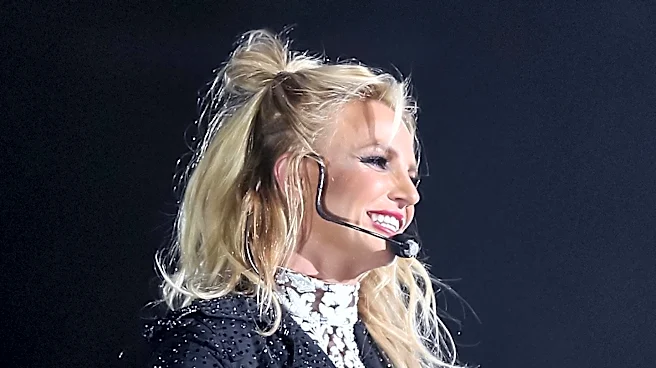
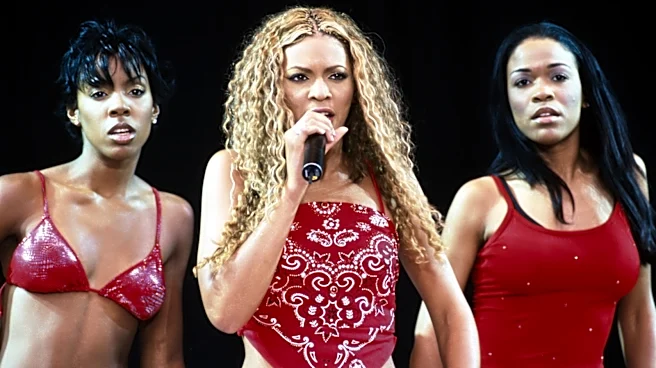
More than just an economic boom, the late '90s marked the dawn of mainstream digital culture. The slinky, futuristic look of Y2K fashion was the perfect uniform for a generation getting its first taste of flip phones, MP3 players, and dial-up internet. The aesthetic of the technology itself—like the bright, translucent colors of Apple's iMac G3—found its way into clothing and accessories. Fashion became a way to signal your fluency in this new digital world. The style was also heavily shaped by the media consumed on new digital platforms and on channels like MTV, which was still a cultural kingmaker. Pop stars like Britney Spears, Destiny's Child, and Christina Aguilera became the primary ambassadors for the Y2K look, their music videos serving as global style guides.
A Reaction Against '90s Grunge
Fashion often moves in cycles of rebellion. The glossy, hyper-produced, and often revealing nature of Y2K style was a direct backlash against the dominant look of the earlier 1990s: grunge. Where grunge was defined by its gritty, anti-fashion ethos—think oversized flannel shirts, ripped jeans, and a muted, earthy palette—Y2K was its polar opposite. It was polished, playful, and proudly consumerist. After years of minimalism and recession-era angst, there was an appetite for something more glamorous and optimistic, fueled by a booming economy. The shift from the understated, androgynous silhouettes of the mid-'90s to the body-conscious, low-rise cuts of the Y2K era represented a cultural swing toward unabashed glamour and extroverted expression.
Celebrity Culture Reaches a Fever Pitch
The late '90s and early 2000s saw the explosion of a new kind of celebrity culture. It was the era of the pop princess, the rise of reality TV with figures like Paris Hilton, and a 24/7 obsession with the red carpet. These weren't just entertainers; they were style influencers before the term existed. Their every outfit was documented, dissected, and duplicated. The result was a highly specific and widely adopted uniform: low-rise jeans paired with a baby tee or crop top, velour tracksuits for casual-chic, and an abundance of rhinestones on everything. It was a look that blended high-end designer pieces with fast-fashion accessibility, making it something millions of young people could aspire to and participate in, further cementing its place as the definitive style of the millennium's turn.