





Recalling the 'Costume Problem'
Let’s be honest: for decades, the silk shirt had a reputation. It was the uniform of the lounge lizard, the sartorial equivalent of a gold medallion nestled in a thicket of chest hair. Think John Travolta in *Saturday Night Fever*—the wide, dagger-like
collar pointing aggressively outwards, the synthetic sheen catching the light of a disco ball, the top three (or four) buttons undone as a matter of principle. This wasn't clothing; it was a costume. The 1970s version was loud, theatrical, and inextricably linked to a specific, hedonistic nightlife. It was designed to be seen, to peacock, and its polyester-satin construction often felt more like plastic than luxury. When the disco inferno cooled, the shirt became a punchline, a shorthand for dated, slightly sleazy bravado that no one in a well-lit room would take seriously.
The 21st-Century Reboot
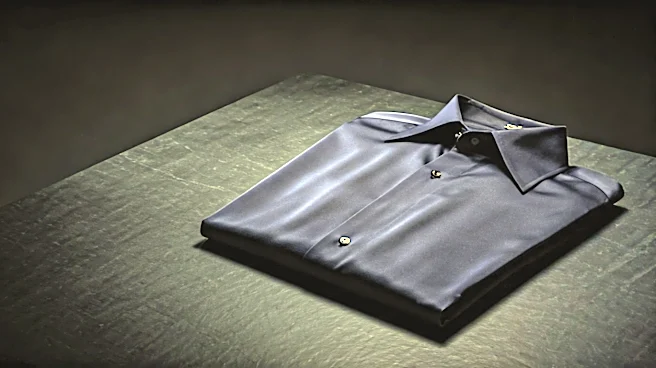
The silk shirt of today is a different species entirely. The designers who have resurrected it have performed a careful act of sartorial archaeology, keeping the best parts—the drape, the feel, the subtle luster—while ruthlessly excising the kitsch. The modern silk (or silk-blend) shirt is defined by what it is not. The collars are standard, not wing-sized. The prints are often abstract, painterly, or nonexistent, favoring deep jewel tones, earthy neutrals, and dusty pastels over garish paisleys. The fabric is the real star. Brands from the highest echelons of luxury to more accessible menswear labels are investing in real silk, sand-washed for a matte finish, or high-quality silk alternatives like Tencel and viscose that offer a similar fluid drape without the high-shine glare. The fit is also key; it’s relaxed but not billowy, designed to hang off the body with an intentional nonchalance rather than cling to it.
From Niche Statement to Versatile Staple
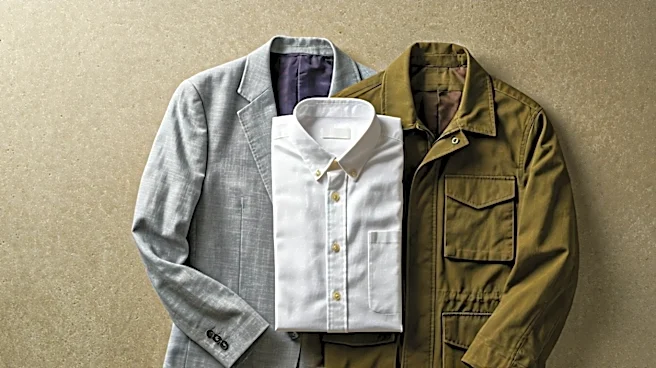
Perhaps the biggest change is how the shirt is being worn. The disco original was a standalone event. The modern version is a team player. It’s the new secret weapon for navigating the ambiguous dress codes of modern life. Tucked into tailored trousers and worn under a soft-shouldered blazer, it adds a touch of texture and sophistication that a standard cotton poplin shirt can’t match, perfect for a creative office or a wedding. Worn open over a plain white t-shirt with jeans or chinos, it becomes an elevated alternative to a light jacket or overshirt for a weekend brunch. It can even be worn on its own with shorts in the summer, the fabric feeling cool and light against the skin. It has transitioned from a piece intended for a single, specific activity—nightclubbing—into a garment that can move seamlessly between work, leisure, and celebration.
What Its Return Says About Modern Style
The return of the silk shirt matters because it signals a broader shift in American menswear. After years dominated by the rigid heritage of workwear and the structured formality of classic tailoring, men are embracing softness, texture, and comfort. It represents a move toward a more sensual and expressive way of dressing. The appeal is as much tactile as it is visual; it just *feels* good to wear. In a world where 'quiet luxury' is the prevailing ethos, a beautiful silk shirt is a perfect expression of the concept. It’s not flashy or logo-driven, but its quality is unmistakable to the wearer and to those who look closely. It’s a quiet confidence boost, a garment that suggests the man wearing it is comfortable in his own skin and isn't afraid to prioritize his own comfort and pleasure in his style choices.