






The Red Carpet Challenge
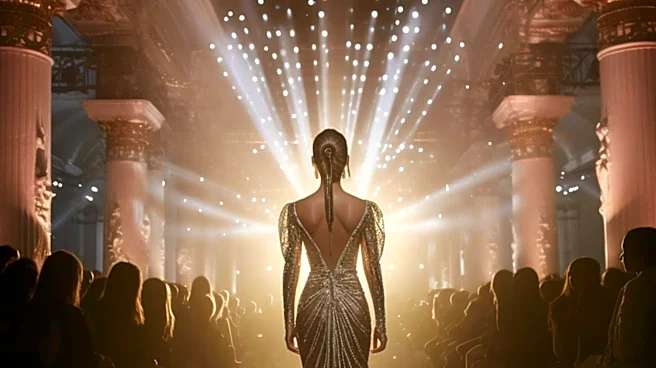
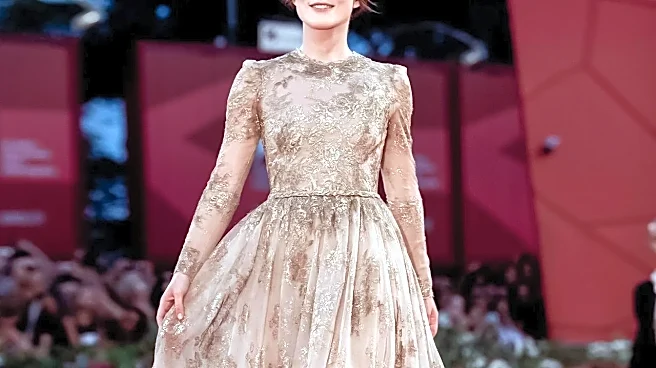
On any red carpet, but especially one as prestigious as the Venice Film Festival, the fundamental challenge for a designer is to create a garment that commands attention. Under the glare of flashbulbs and the scrutiny of high-definition cameras, a dress
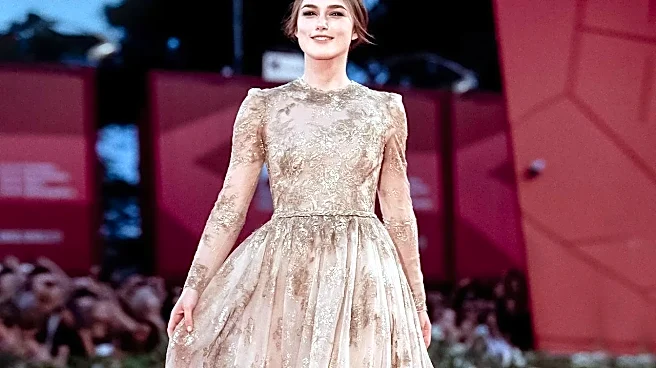
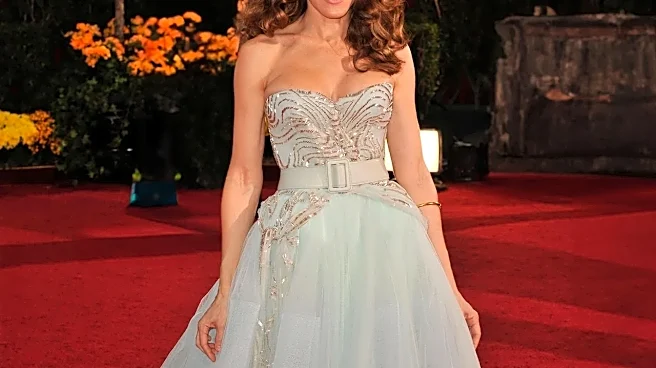
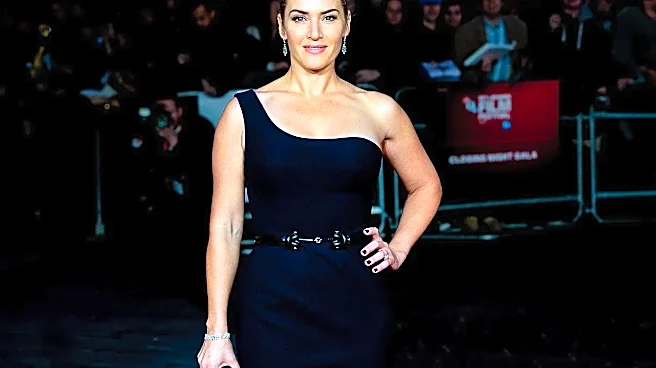
must possess a captivating texture and richness. Gowns seen at 2026 festival, from Kendall Jenner's gold floral embroidered slip to Bhavitha Mandava's sequined Chanel mermaid gown, all showcase this principle. The problem is that creating this visual depth often means adding material—heavy beading, thick appliqués, or dense fabrics that can make a gown bulky, stiff, and uncomfortable. The wearer’s movement becomes restricted, the silhouette is compromised, and the elegance is lost. The goal is to achieve an illusion of substance and intricacy while maintaining a sense of lightness and fluidity, allowing the dress to move with the body, not against it.
Embroidery as the Weightless Solution
This is where the embroiderer's artistry provides a distinct advantage. Unlike heavy jacquards or brocades, embroidery adds detail directly onto a lightweight base fabric like silk organza, tulle, or chiffon. Techniques like thread painting, where different shades of silk floss are blended to create gradients and shadows, can build incredible visual depth with almost no added weight. Similarly, the strategic use of tiny, lightweight elements like micro-crystals, flat sequins, or metallic threads can catch the light and create a shimmering texture that appears substantial on camera but remains ethereal in reality. A gown seen on the Venice red carpet might feature a delicate web of jet-black crystals and metallic threads on sheer tulle, creating a shattered-glass effect that is pure visual drama without the corresponding physical weight.
The Magic of the Luneville Hook
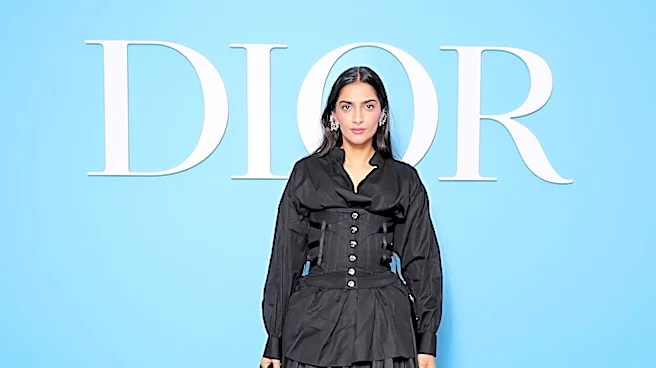
Much of this magic is made possible by a specialized technique known as Luneville or Tambour embroidery. Instead of a traditional needle, artisans use a fine hook to create a chain stitch from the reverse side of the fabric, which is stretched taut on a frame like a drum. This method allows for incredible speed and precision, enabling the rapid application of beads and sequins. Because the embellishments are secured with a delicate chain stitch, they lie flat against the fabric and become part of its surface, rather than sitting heavily on top. This maintains the drape and fluidity of the underlying material. Gowns from couture houses like Chanel and Dior frequently utilize this technique, turning simple silhouettes into canvases for intricate, story-telling patterns that shimmer and move without stiffness.
An Art Form for the Digital Age
In an era of 4K video and endlessly zoomable social media images, this level of detail is more important than ever. What might look like a simple pattern from a distance reveals itself to be a complex landscape of tiny, light-reflecting elements upon closer inspection. This is the embroiderer’s advantage in its purest form: creating a garment that is both a showstopper on the red carpet and a masterpiece of micro-detail online. It’s a centuries-old craft that has become perfectly suited to the demands of modern celebrity. The intricate work of the Lesage atelier for Chanel, for example, can take over a thousand hours for a single gown, ensuring every inch is camera-ready. This painstaking process results in fashion that is not just worn, but experienced—light as air, but visually profound.