



Forgetting the 'Why' of the Story
The single most fatal mistake an adaptation can make is adapting the plot but forgetting the point. It’s a fundamental misunderstanding of what made the book connect with readers in the first place. A novel is more than a sequence of events; it's a tapestry
of theme, tone, and internal character journeys. Successful adaptations understand this alchemy. They know that the story isn't just what happens, but why it matters. When showrunners focus only on hitting major plot points—a key battle here, a character death there—they often strip out the connective tissue, the very soul of the narrative. This results in a hollow echo of the source material, a version that looks vaguely familiar but feels emotionally empty. It’s the difference between a cover band playing the right notes and an artist capturing the original song's spirit.
Death by a Thousand Paper Cuts
This core misunderstanding rarely manifests as one single, disastrous change. Instead, it leads to a cascade of smaller, seemingly justifiable alterations that collectively sink the ship. A character's core motivation is tweaked for a B-plot, a cynical story's tone is lightened to broaden appeal, or complex internal struggles are replaced with generic action sequences because it's more 'visual.' Fans of shows like The Witcher have pointed to how small deviations in characterization—making a character more quippy or less philosophical than in the books—can unravel the intricate web of relationships and themes the author built. Each individual change might seem minor, but together they create a domino effect, alienating the built-in audience who can feel, instinctively, that the story's heart has been removed. The show ends up being a collection of scenes rather than a cohesive story.
Getting the Soul Right
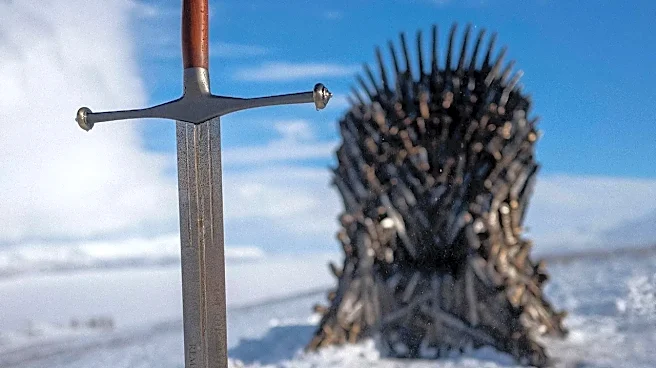
Conversely, the best adaptations prove that faithfulness isn't about a word-for-word, scene-for-scene replica. Peter Jackson's The Lord of the Rings films cut significant characters and subplots, yet they are beloved because they captured the thematic essence of Tolkien's work: the struggle of hope against overwhelming despair. Similarly, the early seasons of Game of Thrones were praised for their fidelity to the novels' gritty realism and complex political maneuvering. These successes demonstrate that changes are not inherently bad. An adaptation can add scenes, combine characters, or alter timelines and still be celebrated, but only if those changes serve the story's core themes and emotional truth. It's about translating the feeling of reading the book into the medium of television, a task that requires interpretation, not just transcription.
The Unspoken Promise to Fans
Ultimately, adapting a beloved book is entering into a contract with its existing fanbase. These readers have spent countless hours in the world, wrestling with its ideas and falling in love with its characters. They are the project's built-in audience and its most passionate evangelists. When an adaptation appears to disrespect or misunderstand the source material, it's seen as a betrayal of that emotional investment. The frustration isn't just about a plot point being changed; it's about feeling that the creators didn't care enough to understand what made the story special. While showrunners often aim to attract a broader audience, alienating the core fanbase from the start is a risky gamble that often backfires, leaving the show without a loyal foundation to build upon.