





When Glinda descends in her glittering bubble, she is the perfect picture of goodness and grace. But 'Wicked' reveals that her journey to that pedestal was paved with painful compromises, forcing a once-superficial girl to make impossible choices.
The Quest to Be Popular
When
we first meet Galinda Upland at Shiz University, her goals are simple: be adored, be the center of attention, and secure her status among the elite. Her worldview is defined by appearance and social standing, a philosophy she tries to impart to her loathed, green-skinned roommate, Elphaba. Initially, Glinda's friendship with Elphaba is little more than a social experiment, a project. Yet, this unlikely bond is the first crack in her perfectly curated world. Her decision to change her name to 'Glinda'—in a slightly performative act of solidarity with the persecuted Professor Dillamond—is the first sign that her conscience is stirring. It marks the beginning of a shift from a girl who only wants to be liked to one who starts to question what being 'good' truly means.
The Emerald City and the First Great Test
The journey to the Emerald City is where Glinda's ambition and her budding morality collide head-on. She arrives with Elphaba, thrilled to meet the Wonderful Wizard of Oz, the ultimate arbiter of success and power. But the meeting reveals a devastating truth: the Wizard is a fraud, a 'sentimental man' with no real magic, propped up by lies and his manipulative press secretary, Madame Morrible. When Elphaba realizes the Wizard's regime is built on the oppression of the Animals she fights for, she refuses to comply. This is Glinda's first monumental choice. She can stand with her friend and defy the corrupt powers of Oz, or she can embrace the security and adoration the Wizard offers. In the pivotal song 'Defying Gravity,' Glinda makes her choice: she stays behind, opting for the comfort of acceptance over the lonely road of rebellion.
Becoming 'Glinda the Good'
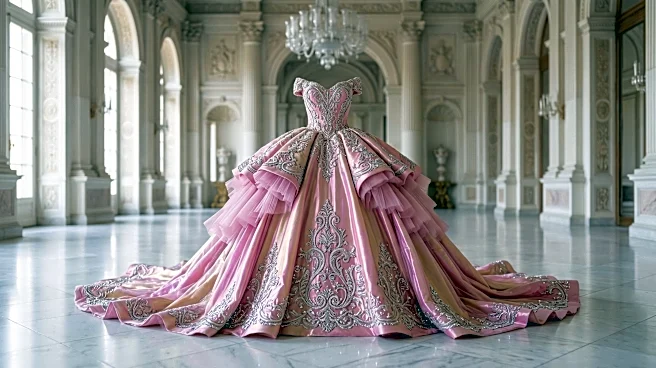
Choosing power over protest, Glinda becomes a key figure in the Wizard's administration. She is branded 'Glinda the Good,' a public symbol of hope and reassurance for the people of Oz. But this title comes at a terrible price. To maintain order and her own position, she becomes complicit in the campaign to demonize her former friend, helping to craft the narrative of the 'Wicked Witch of the West'. The song 'Thank Goodness' reveals the hollowness of her victory; she has everything she ever thought she wanted—fame, a royal fiancé, and public love—but feels empty, haunted by the cost of her choices and the loss of Elphaba. Her glittering life is a beautiful prison, built on a foundation of calculated deception and personal sacrifice.
The Weight of the Crown
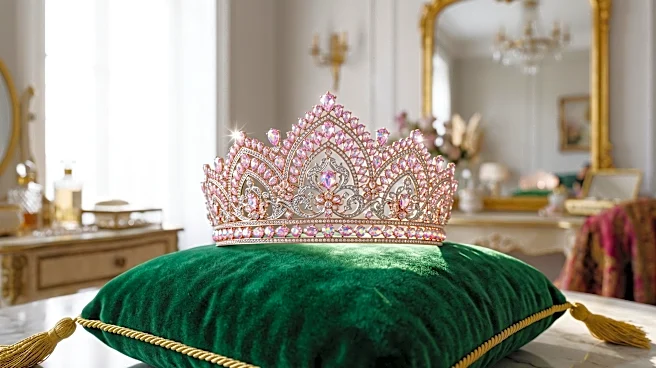
In the end, Glinda is left alone, ruling a land she helped stabilize through a grand lie. She is forced to uphold the myth of the Wicked Witch to protect the secret of Elphaba's survival and to preserve the fragile peace she has created. After forcing the Wizard to leave Oz and arresting Madame Morrible, she finally begins to earn the title that was given to her. Her final moments in the story show a woman profoundly changed. The bubble is no longer just a magical mode of transport; it’s a symbol of her isolation and the public role she is trapped in. The perky, popular girl from Shiz is gone, replaced by a somber, wise leader who understands the crushing weight of her choices. She has learned that 'goodness' isn't an inherent trait but a constant, difficult series of decisions.