


The Illusion of 'Almost Right'
The single biggest giveaway isn't the brand, the fabric, or the color. It’s the fit. Specifically, it’s a fit that is merely ‘good enough.’ This is the defining characteristic of a rented garment: it’s made for a generic body shape, not yours. When an expensive,
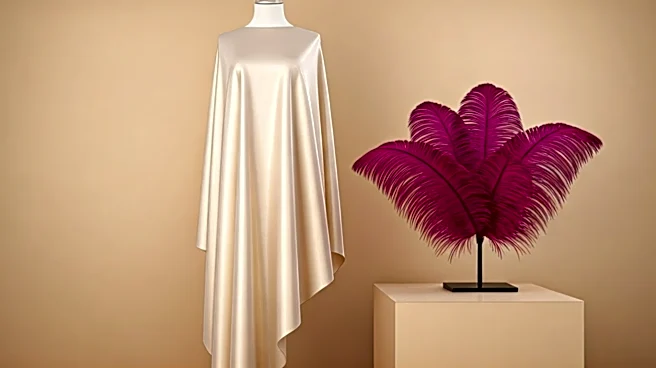
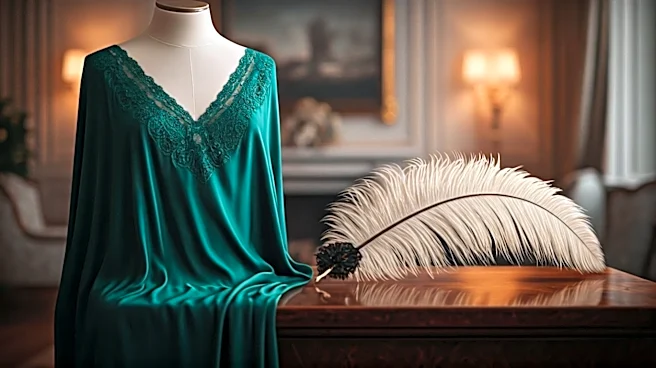
purchased dress isn't tailored to perfection, it mimics this exact problem. The silhouette looks slightly 'off'—the shoulders a bit too wide, the waist not quite synched, the hem hovering uncertainly. It lacks the crisp, bespoke sharpness that signals true luxury. Your eye might not know exactly what’s wrong, but it registers that something is amiss, creating an impression of cheapness that has nothing to do with the price tag.
It Starts at the Shoulders
The first place to look is the shoulders. The seam of a sleeve should sit exactly at the point where your shoulder ends and your arm begins. If the seam droops down your upper arm, the garment looks big and borrowed, as if you’re playing dress-up. If it sits too high, inching toward your neck, the dress will look restrictive and undersized, pulling across the chest and back. This single detail sets the structure for the entire outfit. At events like Ascot, where structured dresses and formal daywear are the norm, a perfectly placed shoulder seam is non-negotiable. It’s the anchor that ensures everything else falls correctly.
Mind the Gaping and Pulling
Next, scan the torso. An expensive dress should contour to the body, not fight it. The most common fit issues here are gaping at the bust or armholes and pulling across the waist or hips. Gaping occurs when there’s too much fabric, creating pockets of air that break the clean line of the dress—a dead giveaway it wasn't designed for that specific chest. Conversely, horizontal pulling or strained fabric means the garment is too tight. It screams discomfort and poor fit. A truly well-made and well-fitted dress feels like a second skin. It moves with you, and the fabric lies flat and smooth, whether you’re standing still or walking toward the Pimm’s tent.
The Crucial Hemline Equation
Nothing says 'I didn't plan this' quite like the wrong hem length. Ascot's dress code is famously specific (hemlines must be 'of modest length defined as falling just above the knee or longer'), but the mistake isn't about rule-breaking. It’s about the relationship between the hem and the shoe. A dress that’s a half-inch too long can look frumpy and bunch around the ankles. A dress that’s a half-inch too short can disrupt the intended proportions, making the entire look feel accidental. The perfect hemline should be deliberate, complementing the height and style of the shoe to create one long, elegant, and unbroken line. It’s a detail that rental services can’t account for, but one that a good tailor can fix in minutes.
Bringing It All Together
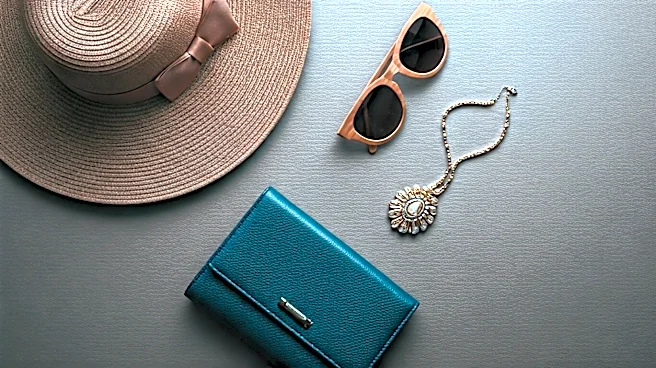
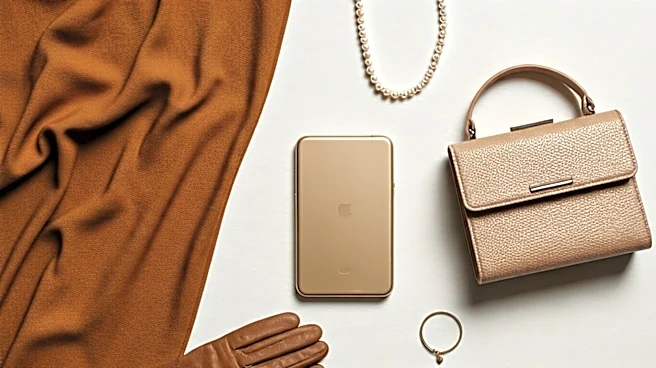
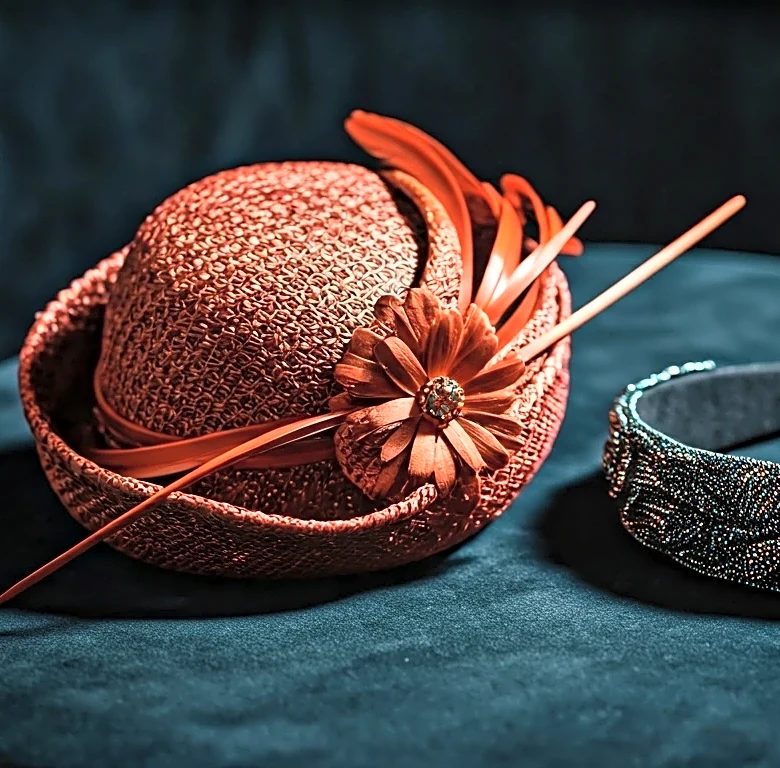
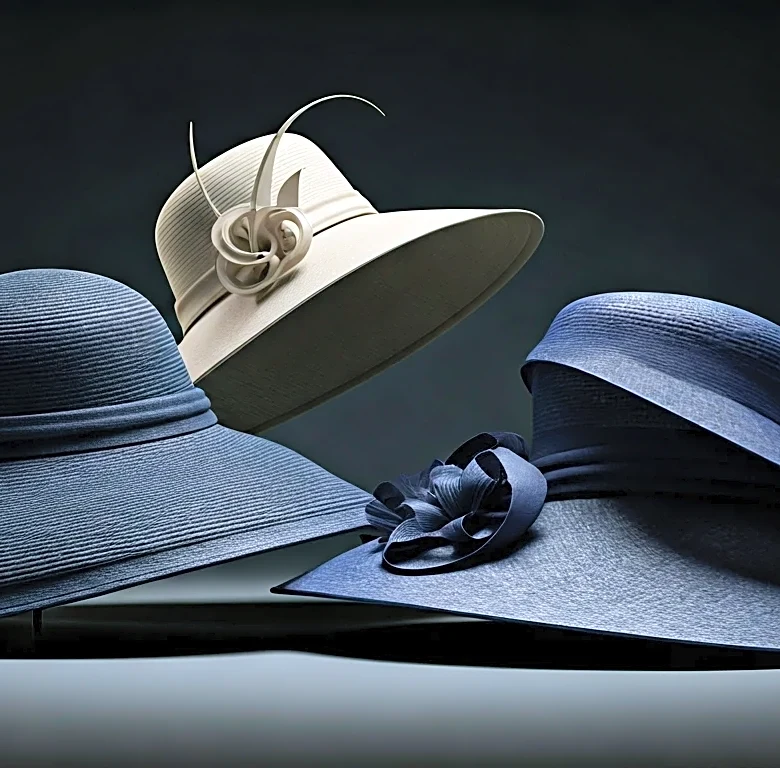
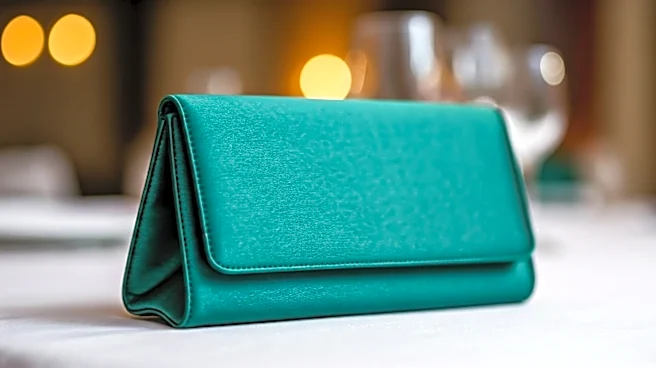
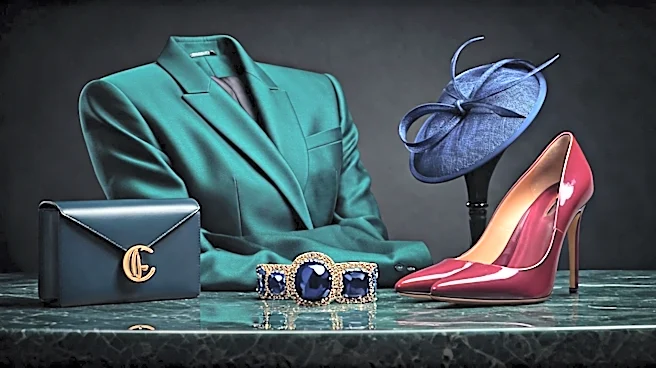
While the dress is the main event, this principle of perfect fit extends to the entire ensemble. A hat that’s too big and slips down the forehead, shoes that are clearly painful and force an awkward walk, or a clutch that’s too cumbersome to hold gracefully can all contribute to that 'borrowed' feeling. A polished look is a holistic one, where every element seems custom-made and effortless. The goal isn't to simply wear expensive things, but to wear them in a way that communicates ownership, confidence, and attention to detail. That's the difference between wearing a costume and wearing an outfit.