




The Unrelenting Wall of Sound
The first thing that changes is the sound. In a smaller venue, the crowd is loud. In a stadium holding 80,000 or more people, the sound becomes a physical force. It’s not just cheering or jeering; it’s a constant, deafening roar that washes over the pitch,
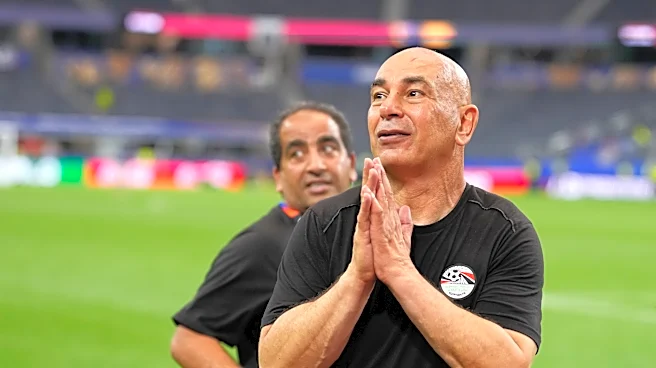
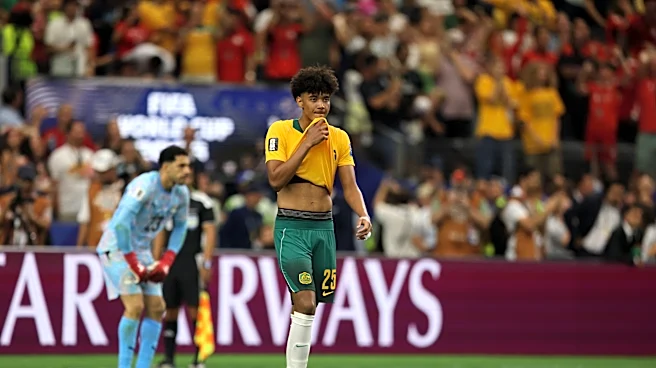
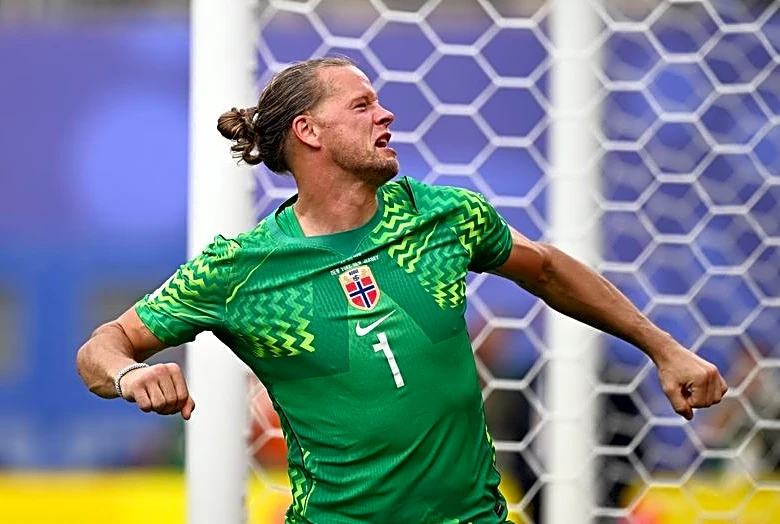
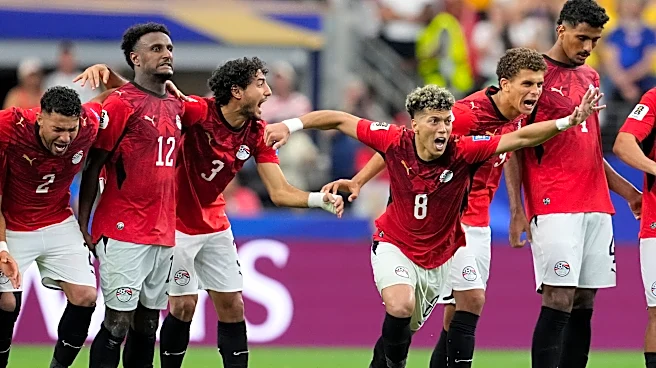
creating an environment of sensory overload. For the player, this wall of sound can be incredibly disruptive. Research and player accounts describe the immense pressure of the moment, which is only amplified by the crowd. Egypt’s coach, Hossam Hassan, speaking after his team's World Cup shootout victory on July 3, 2026, advised his players to block out the noise and focus only on the kick. That's because the noise isn't just a distraction; it’s an active participant that can interfere with a player’s routine, concentration, and even their physiological state.
The Long, Lonely Walk
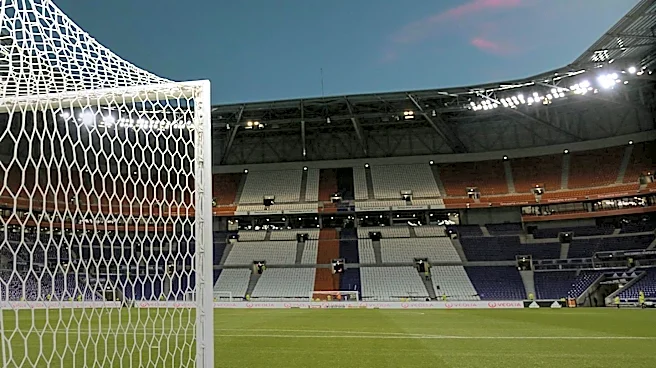
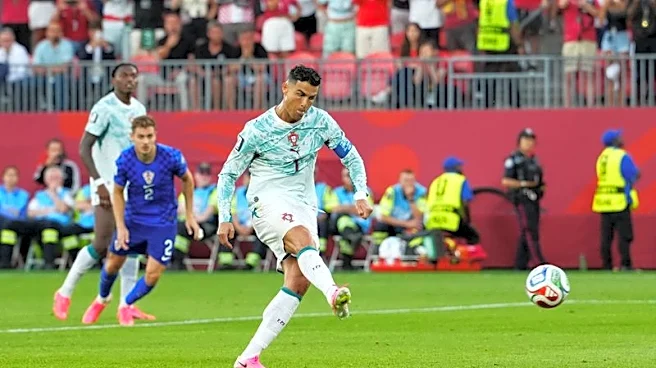
The walk from the halfway line to the penalty spot is one of the loneliest journeys in sports. In a massive stadium, that walk feels impossibly long. The player is a solitary figure moving toward a single point while the world watches. The sheer scale of the surroundings—the towering stands, the sea of faces, the vast green expanse—can make an athlete feel small and isolated. Sports psychologists note that this walk is a period of intense anxiety, where a player's mind can race with thoughts of failure. The pressure builds with every step as they approach the spot where heroes are made and scapegoats are born. The goal, which seems so large from a distance, can suddenly appear to shrink as the weight of millions of expectations settles on their shoulders.
The Weight of a Million Eyes
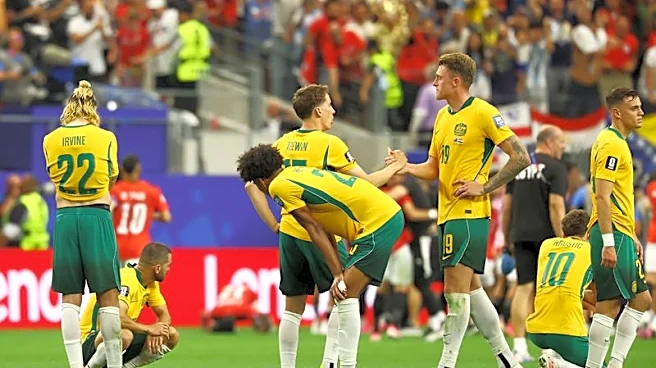
In a smaller stadium, you’re playing in front of a crowd. In a mega-stadium, you’re performing under the gaze of a civilization. Every fan has a phone, every screen is broadcasting your face in high definition. This intense scrutiny adds a layer of social pressure that's almost unimaginable. Psychologists who study penalty takers note that the fear of public failure—of letting down not just teammates but an entire nation—is a huge factor. Players may become preoccupied with avoiding mistakes rather than focusing on the positive action of scoring. This 'avoidance motivation' can lead to tension and alter a player's natural, trained movements. As was seen in recent World Cup shootouts, this pressure can cause even world-class players to miss the target entirely.
The Arena Changes the Athlete
Ultimately, the massive stadium acts as a crucible, transforming a technical exercise into a raw test of mental fortitude. While a penalty kick is, at its core, a contest between a kicker and a goalkeeper, the stadium environment adds countless psychological variables. The combination of overwhelming noise, visual intimidation, and immense social pressure creates what sports psychologist Geir Jordet calls an almost "inhumane" level of anxiety. Studies have shown that a hostile crowd can meaningfully lower a team's conversion rate in a shootout. It's no longer just about where you place the ball. It becomes about whether you can control your breathing, quiet your mind, and execute a familiar skill while your senses are being assaulted from all sides. The player who succeeds isn't just the better technician; they are the one who wins the brutal mental battle waged within the cathedral of sport.