











The Weight of the Crown
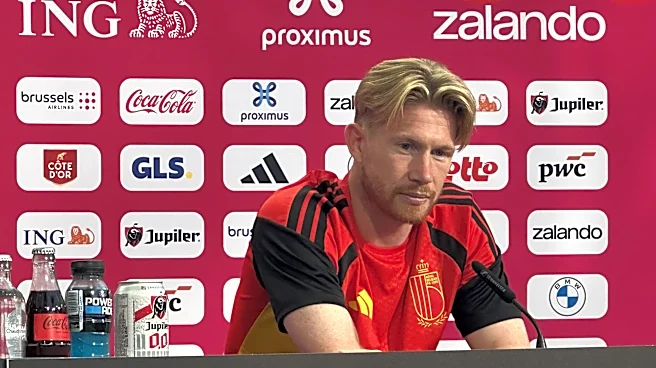
First, let's define our terms. A “golden generation” is a crop of exceptionally talented players of a similar age who emerge for a single nation at the same time. Think of Belgium’s era of Kevin De Bruyne, Eden Hazard, and Romelu Lukaku, or England’s
2000s team with David Beckham, Steven Gerrard, and Frank Lampard. On paper, they look unbeatable. But soccer isn't played on paper. The moment this label is applied, an invisible clock starts ticking, and an immense weight settles on their shoulders. Every match in the group stage isn't just a game; it's a referendum on their entire legacy. The media narrative becomes all-consuming: “Is this finally their year?” A routine 1-0 win against a lower-ranked team feels like a failure, while a draw is treated as a national crisis. This external pressure easily seeps into the locker room, transforming the joy of representing one’s country into a tight, anxious obligation to not mess it up.
The Problem of Too Much Talent
Ironically, having too many stars can be a tactical nightmare. A club manager spends years building a system and signing players who fit it. A national team coach gets a handful of weeks to fuse a collection of massive talents—and even bigger egos—into a cohesive unit. This often leads to tactical gridlock. Do you play your two best creative midfielders, even if they occupy the same space and offer no defensive balance? For years, England managers struggled with the Gerrard-Lampard conundrum, trying to force two of the world’s best box-to-box midfielders to coexist, often to the detriment of the team's shape. A manager of a golden generation is often pressured by the public and media to simply put the 11 most famous players on the field. This can result in a team that is slow, unbalanced, and vulnerable to a more disciplined, tactically coherent opponent who knows their specific role inside and out.
The Target on Their Back
In a tournament group stage, the golden generation isn't the hunter; it’s the hunted. For teams from smaller nations, playing against a squad of world-famous superstars is their World Cup final. They have nothing to lose and everything to gain. These underdog teams are often built on a foundation of defensive organization, discipline, and collective spirit—the very things a disjointed team of individuals struggles against. They are happy to concede possession, sit in a low defensive block, and frustrate the star-studded attack for 90 minutes. They know one slip, one defensive lapse, or one lucky counter-attack is all it might take to secure a historic result. This dynamic turns every group stage match into a high-stakes siege. The golden generation has to be perfect, creative, and patient, while their opponents only need to be resilient and opportunistic. This makes for excruciatingly tense viewing and puts the favored team at constant risk of a shock result that could derail their entire tournament.
A Finite Window for Immortality
Unlike a legendary club side that can dominate for a decade, a national team’s golden generation has an extremely short shelf life. They get one shot every two years at the World Cup or a continental championship like the Euros. That’s maybe three or four tournaments at their absolute peak, if they’re lucky. This ticking clock adds a layer of desperation to everything they do. A slow start in the group stage feels catastrophic because there’s no long league season to recover. A single injury to a key player can feel like the end of the world. This finite window is why the group stage feels so dangerous: it’s the first, and most volatile, hurdle in a sprint for immortality. For these players, it’s not just about winning a trophy; it's about validating an entire era of their country's soccer history before the window slams shut forever.