
The Comfort and Curse of Navy Blue
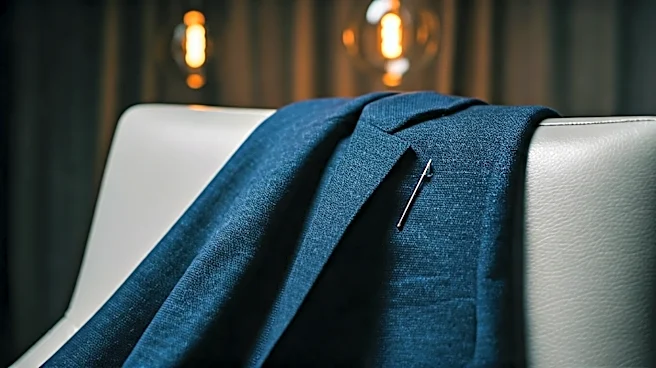
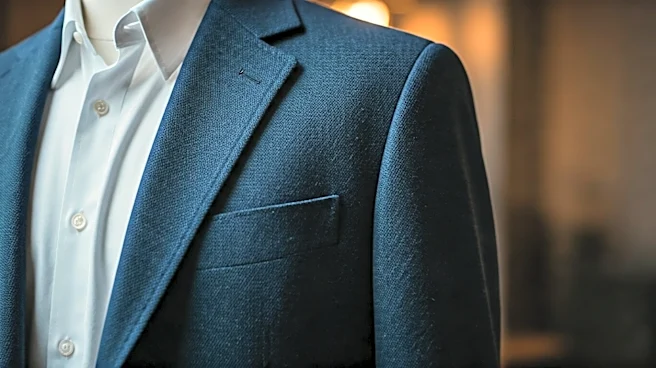
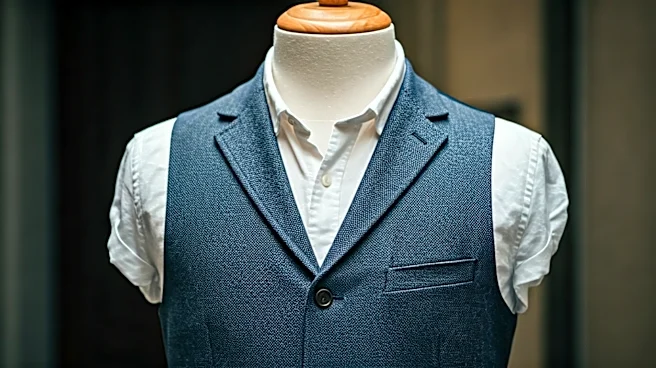
Let’s be clear: there’s nothing wrong with navy. It’s the bedrock of modern menswear for a reason. A navy blazer is a suit of armor, appropriate for everything from a job interview to a first date. Navy
chinos are the dependable workhorse that go with anything. It’s the color of competence and stability. But relying on it exclusively is like ordering the same dish at your favorite restaurant every single time. You know it’s good, but you’re missing out on a world of other flavors. Over time, that safety can curdle into stagnation, leaving your personal style feeling uninspired and anonymous. When your entire wardrobe operates in a narrow band of blue, gray, and black, you’re not just playing it safe—you’re communicating a reluctance to stand out, even in a subtle, sophisticated way.
The Pitti Palette Explained
Enter Pitti Uomo, the biannual menswear trade show in Florence that has become the global stage for men’s street style. While runway shows dictate avant-garde trends, the editors, buyers, and style aficionados on the ground at Pitti showcase what’s actually wearable, albeit at its most polished. Their collective uniform has given rise to the “Pitti palette,” a color story that’s less about shocking brightness and more about sun-drenched, earthy sophistication. Think less about neon and more about nuance. This palette is built on rich neutrals that go far beyond gray. It’s a world of tobacco brown, olive green, dusty rose, terracotta, and countless shades of beige and ecru. These colors feel organic and lived-in, evoking an effortless Italian elegance. They replace the starkness of black and the predictability of navy with warmth, depth, and personality.
Your Entry Point: Earthy Neutrals
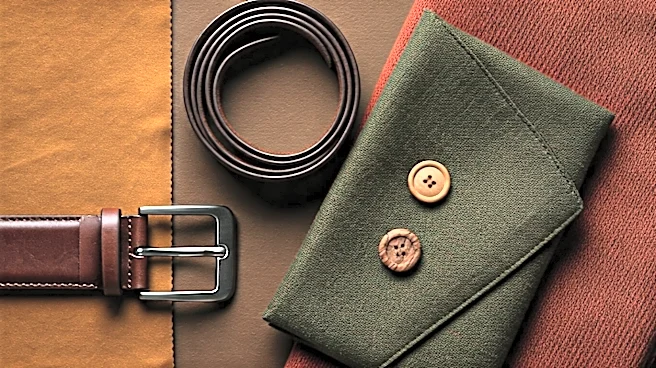
The easiest way to dip your toes into the Pitti palette is by swapping your default neutrals. Instead of a navy blazer, try one in olive green or a rich tobacco brown. These colors have the same versatility but offer far more visual interest. An olive jacket pairs beautifully with denim, gray trousers, or even white jeans in the summer. A brown linen suit, once considered dated, now looks impossibly chic and confident. Start by treating these colors as the new foundation of your wardrobe. A pair of chinos in a warm khaki or earthy terracotta can anchor an outfit just as well as your standard blue ones, but they’ll make your simple white shirt or gray sweater suddenly look more intentional and stylish. They work because they are derived from nature, making them inherently easy on the eye and surprisingly simple to coordinate.
Level Up with Washed-Out Hues
Once you’re comfortable with the earthy base, the next step is to explore the softer, more washed-out end of the spectrum. This is where colors like sage green, dusty rose, buttery yellow, and muted sky blue come into play. Many American men shy away from these, fearing they look too soft or effeminate—a misconception the stylish men of Florence disprove twice a year. The key is in the application. A dusty rose button-down shirt under a brown or olive jacket is a superb combination that feels both masculine and modern. A pair of sage green shorts is a subtle, elegant upgrade from standard khaki. These colors are not loud; they whisper. They work best in fabrics with some texture, like linen, suede, or corduroy, which gives them a more grounded and substantial feel. Think of them as a way to add a touch of poetic color without shouting.
The Art of the Accent
If a full garment feels like too much of a leap, start with an accent. The Pitti regulars are masters of this. A flash of color from a pocket square, a pair of vibrant socks peeking out from a cuffed trouser, or a knit tie in a surprising shade can completely transform a conservative outfit. This is the low-risk, high-reward way to experiment. Imagine your trusty navy suit. Now, add a pocket square that blends shades of rust and gold. Instantly, the look is elevated. Or consider your weekend uniform of jeans and a t-shirt. Swap your white sneakers for a pair in a muted sage or tan suede. It’s a small change that signals a greater attention to detail. This approach allows you to test out which colors you feel most confident in before committing to a larger piece.