







The Sudden Spotlight
For two hours, a goalkeeper is just one of eleven players, a vital but often isolated figure in a sprawling team game. Then, the final whistle blows on extra time. Suddenly, the sport’s most collective endeavor becomes its most intensely individual duel.
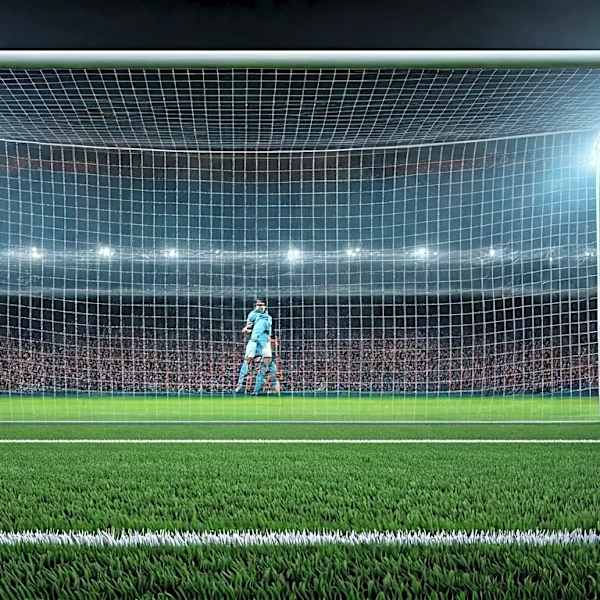
The shootout strips away the complexity of formations and tactics, boiling everything down to a primal contest: one taker, one keeper, twelve yards of turf, and the weight of a stadium on their shoulders. While every other player retreats to the halfway line, linked arm-in-arm in shared anxiety, the goalkeeper walks to their line alone. The camera focuses, the crowd holds its breath, and a player who may have been a footnote for the entire match is now the undisputed protagonist. This structural shift is the foundation of the shootout’s star-making power. It isolates the keeper, magnifies their every move, and frames them as the sole defender of their team's fate.
The Art of Psychological Warfare
A penalty shootout isn't just a test of athletic ability; it's a high-stakes mental battle. The shooter is expected to score. The pressure is almost entirely on them. A smart goalkeeper understands this and uses every legal tool to disrupt the taker's focus. We've all seen the theatrics: the wide-armed star jumps, the pacing back and forth, the pointing to one side of the goal, or the intense, unblinking stare. Liverpool’s Jerzy Dudek famously used wobbly “spaghetti legs” to distract AC Milan’s shooters in the 2005 Champions League final, a moment of bizarre genius that entered soccer folklore. More recently, Argentina's Emiliano 'Dibu' Martínez built a reputation on aggressive trash talk and celebratory dances that got under his opponents' skin during the 2022 World Cup. These aren't just antics; they are calculated psychological weapons designed to sow a seed of doubt in the taker's mind. When a keeper makes a save, it’s often because they won the mental game before the ball was even kicked.
Playing with House Money
The statistics of a penalty kick are heavily stacked against the goalkeeper. Historically, around 75-80% of penalties are converted. This simple fact completely reframes the narrative of a shootout. No one blames a keeper for conceding a well-struck penalty; it’s the expected outcome. But every save? That’s a miracle. Each stop is a moment where the keeper defies the odds. This dynamic means the goalkeeper is essentially playing with house money. Failure is the default, so success is disproportionately celebrated. A striker who misses a penalty is a goat; a keeper who makes one save is a hero, even if they let in four others. This asymmetric pressure creates a fertile ground for glory. The keeper has everything to gain and, in the grand scheme of expectations, very little to lose.
The Career Catapult
A legendary shootout performance can do more than win a single match; it can change a career trajectory overnight. Before the 2014 World Cup quarterfinal, Dutch keeper Tim Krul was a solid Premier League player, but not a global name. When coach Louis van Gaal subbed him on in the 120th minute specifically for the shootout against Costa Rica, it was a move of shocking audacity. Krul saved two penalties, and his pre-planned, intimidating tactics made him an instant international icon. Similarly, Matt Turner’s rise from an undrafted MLS prospect to the USMNT's No. 1 was significantly accelerated by his reputation as a “penalty specialist.” His heroic shootout performances for the New England Revolution and later the national team cemented a narrative of clutch performance under pressure, earning him a move to the Premier League. These moments become a player's defining highlight, a calling card that follows them for the rest of their career, opening doors that were previously closed.