






The Performance as a Brand Pitch
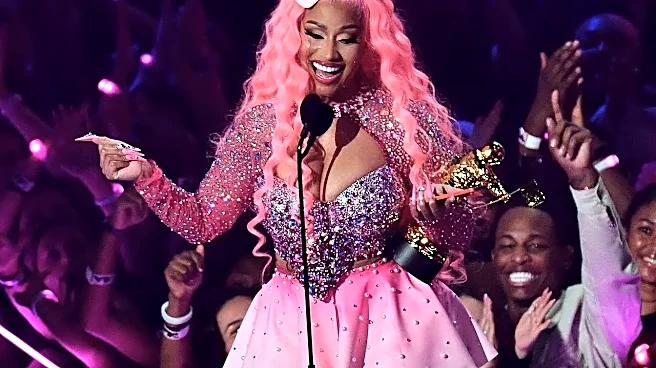
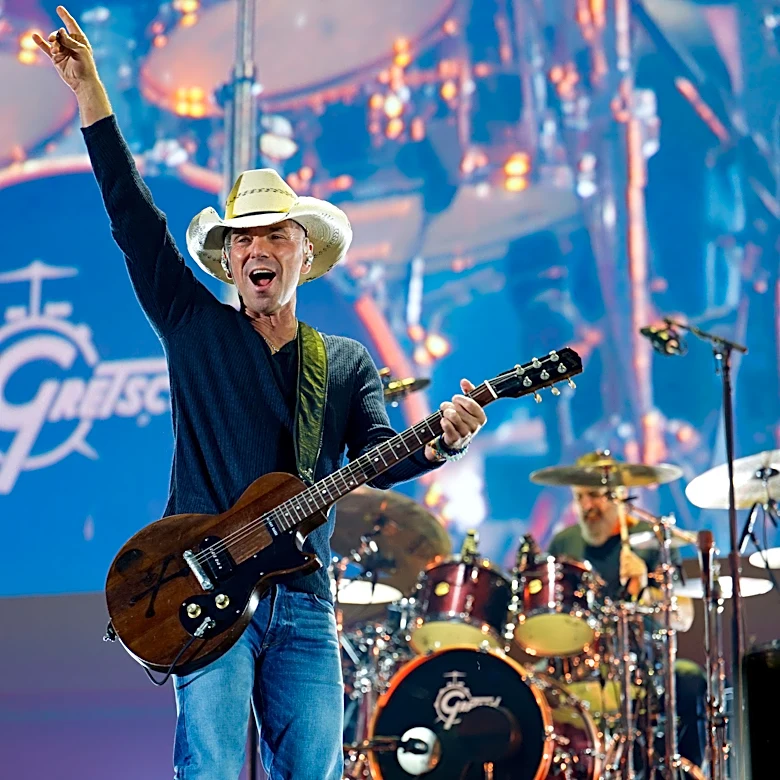
For a music supervisor, a VMA performance isn't just a three-minute song; it's a live-action branding exercise. They are watching to see how an artist presents or redefines their public identity. Is the performance edgy and rebellious, or polished and aspirational?
Every choice, from the song selection to the stage design and choreography, is scrutinized. A music supervisor’s job is to place music in visual media like films, TV shows, and ads. Therefore, they are constantly assessing an artist's brand alignment. A powerful, emotional performance might signal that the artist's music is perfect for a dramatic film scene, while an upbeat, fun-loving set could be ideal for a brand campaign targeting a younger demographic. They see the performance as the artist’s most direct communication of their marketability.
Hunting for the Next Big Sync
The primary lens through which a supervisor views any musical performance is its potential for a “sync” or synchronization license—the right to pair a song with visual media. As they watch the VMAs, they are on a sonic treasure hunt. They listen for songs with distinct emotional tones, memorable hooks, and structures that can be easily edited to fit a scene. A song with a powerful instrumental build might be flagged for a movie trailer, while one with a universal lyrical theme about love or struggle could be noted for a future TV drama. They also pay close attention to new songs debuted during the show. A standout performance can instantly elevate a song from an album cut to a hot commodity, with supervisors racing to secure it for their projects before it becomes ubiquitous and expensive.
Technical Execution and Broadcast Quality
A casual viewer might not notice a slightly muddy vocal mix or a bass that’s too low, but a music supervisor certainly will. Their job requires delivering broadcast-ready audio files, so they are keenly aware of the technical quality of a live performance. A flawless audio mix that sounds crisp and dynamic on television is a huge plus. It proves the artist’s team can deliver professional-grade sound under pressure. Conversely, technical glitches, poor sound balance, or a weak vocal performance can be dealbreakers. If a song doesn't sound great on a multi-million-dollar broadcast, a supervisor will have little confidence in its ability to shine in a film or commercial.
Gauging the Digital Ripple Effect
In the modern media landscape, the performance itself is only half the story. Music supervisors are multi-screening just like the rest of us, keeping a close eye on social media reactions in real-time. Is a specific lyric trending? Are viewers creating memes from a particular dance move? Is the general sentiment overwhelmingly positive? This immediate digital feedback is invaluable data. It indicates whether a song is truly connecting with the public and provides a strong argument for its licensing potential. A song that ignites social media has a proven ability to capture cultural attention, making it a much safer and more compelling bet for a film studio or advertising agency looking to tap into the zeitgeist.
The Invisible Legal Framework
Finally, a supervisor is always thinking about the logistical and legal hurdles. They are hyper-aware of the complexities of music licensing. When watching a performance, they might be considering who the songwriters and publishers are, and which record label owns the master recording. This knowledge helps them gauge how difficult and costly it might be to license the track. If an artist performs a cover, for example, a supervisor immediately understands the dual licensing process required: one license for the original composition and another for the new performance. They see the show not just as a creative showcase, but as a landscape of intellectual property, where every song represents a potential negotiation.