






Winning the Group is Winning the Division
In the NFL or NBA, finishing first in your division isn’t just a matter of pride; it guarantees a home playoff game and often a more favorable opponent. It’s about securing the #1 or #2 seed. The same logic applies directly to a World Cup or Euros group.
The primary goal is to advance, yes, but the *secondary* goal is to win the group. The group winner almost always gets to play the runner-up from a different group. Think of it as the NFC East winner getting to host a wildcard team instead of having to travel to face another division champ. Winning the group gives you a theoretically easier path forward, avoiding another heavyweight contender until at least the quarterfinals. It’s the difference between a comfortable first-round matchup and an immediate buzzsaw.
Goal Difference is Your Tiebreaker
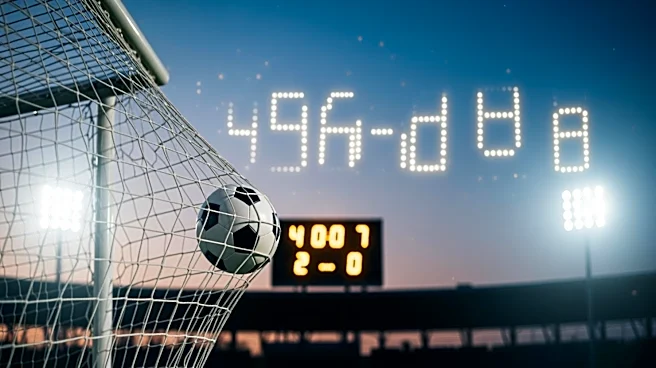
American sports have tiebreakers we all understand: head-to-head record, conference record, point differential. Soccer’s most important version of this is ‘goal difference.’ It’s simple: the total number of goals you’ve scored minus the total number you’ve conceded. This is why you’ll see a team that’s already winning 3-0 push frantically for a fourth goal in the dying minutes. It’s not just for show; it’s for padding their goal difference. A 4-0 win and a 1-0 win are both worth three points in the standings, but the +4 goal difference from the first game is a massive advantage if you end up tied on points with another team. It’s the equivalent of running up the score in football to boost your ‘points for’ column, knowing it might decide your playoff fate weeks down the line.
The Final Matchday is Pure Scoreboard Watching
The final week of the NFL season is a masterclass in controlled chaos. Fans have one eye on their team’s game and the other on a ticker, tracking three other contests that will determine their playoff seeding or chances. Now, imagine that, but compressed into 90 minutes. To ensure fairness, the final two matches in every group are played simultaneously. The result is pure, uncut sporting drama. A goal in the 85th minute of the Germany-Hungary game can knock Portugal out of the tournament, even as they’re playing France 500 miles away. Fortunes can flip in an instant. A team that is ‘in’ at kickoff can be ‘out’ by halftime and ‘in’ again by the final whistle. It’s the constant, maddening, and exhilarating process of scoreboard watching, condensed into the length of a single movie.
Playing for a Draw is Resting Your Starters
The idea of two teams playing for a tie is often infuriating to the American sports palate, where “play to win the game” is a mantra. But in the group stage, it’s a perfectly valid, if sometimes cynical, strategy. If a draw is enough for both teams to advance (for instance, one team wins the group and the other secures second place), you’ll often see the pace slow down and the risk-taking evaporate. It’s the soccer equivalent of an NFL team that has already locked up the #1 seed resting its starting quarterback in Week 18. Why risk injury or a devastating counter-attack when a quiet, uneventful result gives you exactly what you need? It’s not always pretty, but it’s the calculated move of a team thinking about the war, not just the battle.