
The Golden Age of Televised Tributes
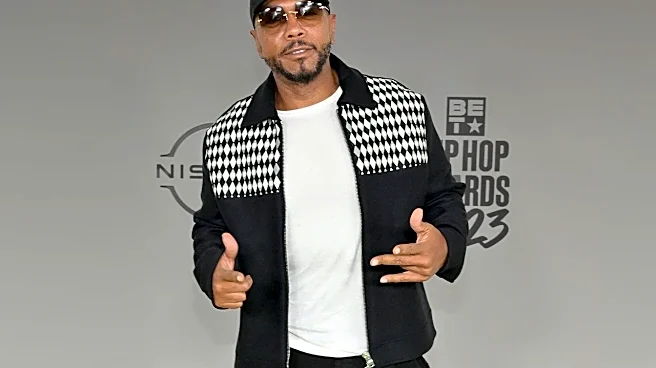
For a generation of fans, the VH1 Hip Hop Honors was the culture’s version of the Kennedy Center Honors. Launched in 2004, it was a primetime event dedicated to celebrating the genre's pioneers not for their recent chart success, but for their historical
significance. Seeing legends like Run-DMC, Public Enemy, or Missy Elliott receive their flowers on a grand stage, with elaborate performances from younger artists they influenced, was a powerful statement. This wasn't just an awards show; it was an act of institutional validation. For a genre often neglected by mainstream awards shows, Hip Hop Honors felt like a coronation. The slick production, the surprise guests, and the communal experience of watching it live created a sense of shared history and collective pride. Everyone saw the same meticulously crafted tribute at the same time, cementing a unified cultural memory.
The People's Tribute: Raw and Viral
Today, honorifics look very different. When a beloved artist passes, the tribute isn't a scheduled TV special weeks later; it’s an immediate, explosive, and deeply personal outpouring across social media. Think of the endless stream of TikToks that surfaced after the deaths of Pop Smoke or Nipsey Hussle, mixing interview snippets with concert footage, all set to their most poignant tracks. These aren't polished productions. They’re raw, created by fans for fans, and their power comes from this authenticity. Instead of one definitive tribute, there are thousands. A forgotten freestyle, a poignant quote, or a fan-shot video can suddenly find a massive audience, algorithmically delivered to those who need to see it most. This form of remembrance is decentralized, democratic, and perpetual.
Emotional Payoff: Unity vs. Intimacy
So, which delivers the bigger emotional punch? The argument for Hip Hop Honors is one of gravitas and unity. The emotional payoff came from seeing the culture celebrated with the respect it deserved. When Diddy introduced his mentor Andre Harrell, or when a new artist reinterpreted a classic, it created a powerful link between generations. The weight of the moment felt significant, a collective exhale for fans who had long championed these artists. The high production values and peer recognition provided a unique, definitive, and almost regal form of emotional satisfaction. It was a joy born of seeing your heroes finally get their due in the most public way imaginable.
Emotional Payoff: The Personal Connection
The viral clip, on the other hand, offers an entirely different, and arguably more potent, kind of emotional payoff: intimacy. A tribute doesn’t find you on a specific channel at a designated time; it finds you in your feed, often alone, creating a quiet, one-on-one moment of remembrance. This format fosters a sense of personal connection and active participation. You can share it, add your own comment, or even be inspired to create your own tribute. This process transforms passive viewership into active mourning and celebration. While an awards show presents a polished final product, the ecosystem of viral clips is a living, breathing memorial built by the community itself, making the emotional experience feel more direct and less filtered. For many, this constant, evolving conversation feels more real than a staged event ever could.