



The Promise of Atmosphere
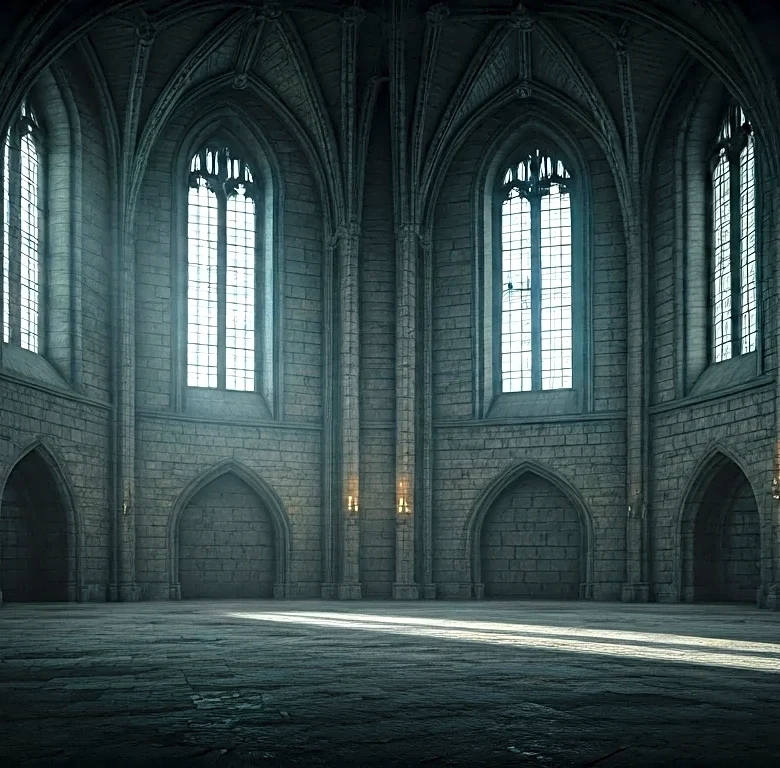
The cardinal rule of horror is that what you don't see is often scarier than what you do. A great trailer understands this principle, choosing to sell atmosphere over action. Instead of showing the monster, it shows the world the monster inhabits. Editors
achieve this by focusing on mood-setting elements. They use color correction to give footage a cold, unsettling look, making even a sunny day feel ominous. They lean on unnerving sound design—a discordant piano note, a child’s distorted nursery rhyme, or an unnerving silence—to create a sense of dread. This approach builds psychological tension, promising viewers an emotional experience rather than just a series of events. It’s a pact with the audience: the trailer proves the film can make your skin crawl without needing to reveal its hand. By focusing on the promise of fear, the trailer builds anticipation for the unseen.
The Art of Misdirection
Trailer editors are masters of deception. They routinely take shots and lines of dialogue out of context to construct a narrative that may have little to do with the film's actual plot. This isn't about lying to the audience; it's about preserving the filmmaker's intended surprises. A trailer might hint at one character being the villain or a specific threat being the central danger, guiding the audience down a false path. One classic technique is the subliminal flash, where a terrifying image appears for just a few frames—enough for your subconscious to register unease, but not long enough for your conscious mind to fully process it. This creates a jarring, unsettling feeling without spoiling a major reveal. The goal is to keep every sequence unresolved, presenting a series of intriguing questions and promises that can only be answered by watching the full movie.
Letting the Reaction Tell the Story
One of the most powerful tools in a horror trailer’s arsenal is the reaction shot. Instead of showing the terrifying ghost or the gruesome kill, the trailer cuts to a character’s face as they witness it. We see their eyes widen, we hear their blood-curdling scream, and our own minds fill in the terrifying blanks. This technique is effective because it leverages empathy and imagination. An audience's imagined horror is often more potent and personal than anything a filmmaker can explicitly show. By showing the effect rather than the cause, the trailer outsources the scare to the viewer. This was a key strategy in the viral marketing for films like "Paranormal Activity," which featured trailers composed almost entirely of night-vision shots of audiences screaming in terror. It builds trust by demonstrating the film's power to frighten without giving away the specific set pieces that deliver those frights.
Sound as the Unseen Weapon
In a horror trailer, what you hear is as important as what you see. Sound design is crucial for creating atmosphere and delivering jump scares. Editors use a carefully curated mix of sound effects—static glitches, heavy breathing, sudden loud noises after a moment of silence—to keep the audience on edge. Music often starts off deceptively normal or even upbeat before being abruptly cut or distorted, signaling that something is terribly wrong. Sometimes, trailers will use sound from a different scene (a technique called an L-cut or J-cut) to create a seamless but disorienting flow. A classic example is the trailer for "Alien," which used a relentless, terrifying soundtrack and quick-cut montage with almost no dialogue to create a feeling of pure dread. This audio-driven approach generates an intense emotional response, proving the film is scary on a visceral level.