





The Basic Problem: Sound Is Slow
Here’s a fact that ruins a lot of large-scale events: sound is much, much slower than light. While the video feed from the stage screens reaches your eyes almost instantly, the sound waves are physically traveling through the air at around 767 miles per
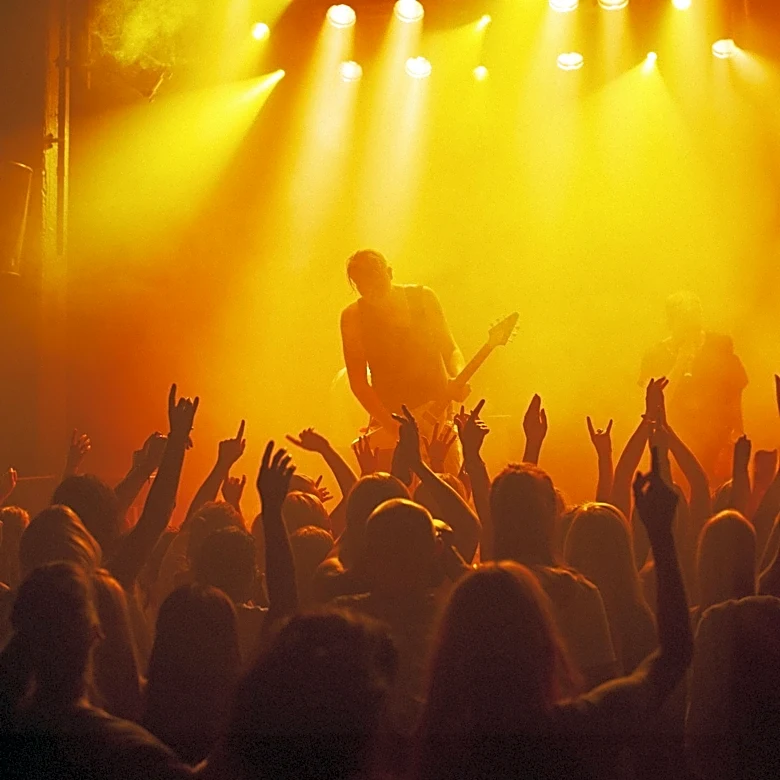
hour. That sounds fast, but over the vast expanse of a festival field, it creates a noticeable lag. An audience member standing hundreds of feet from the stage would experience a jarring disconnect between seeing a drummer hit a cymbal and hearing the crash a moment later. This delay turns a concert into a confusing, out-of-sync mess for anyone not in the front rows.
Why 'Louder' Isn't the Answer
The simplest-sounding solution—just cranking up the volume on the main speakers—is actually the worst thing you could do. While it might help the sound travel farther, it would create an unbearable, deafening experience for the fans near the stage. For everyone else, the sound would become a chaotic wash of echoes and reverberation. The sound bouncing off surfaces, other people, and even the air itself would create a muddy, unintelligible disaster. To provide clear, powerful sound to everyone, engineers need a more elegant solution than a giant volume knob.
Enter the Unsung Heroes: Delay Towers
Look around at any large festival like Outside Lands and you’ll see them: imposing metal structures holding arrays of speakers, placed strategically throughout the crowd. These are delay towers, and they are the secret to coherent festival sound. They aren't just for making things louder in the back; they're part of a sophisticated system designed to make it feel like all the sound is coming directly from the stage, no matter where you are. These towers take the audio signal from the main mixing desk and rebroadcast it, creating zones of clean, direct sound for different sections of the audience.
The Magic Is in the Timing
Here’s where it gets counterintuitive and brilliant. The audio coming from these towers is intentionally delayed. Using precise calculations, audio engineers delay the signal sent to each tower so that its sound reaches a listener's ears at the exact same moment as the sound traveling from the main stage speakers. For example, if you're standing near a delay tower 300 feet from the stage, the sound from that tower will be delayed by the fraction of a second it took the sound from the stage to reach you. This clever trick uses a psychoacoustic principle called the Haas Effect, which causes our brains to perceive the two separate sounds as one single, cohesive sound originating from the stage. Instead of a confusing echo, you get clarity and power.
Putting It All Together on the Polo Field
At Outside Lands, this system is a necessity. The long, open expanse of the Polo Field is a challenging acoustic environment. The festival's audio provider, UltraSound, uses multiple delay towers on the main Lands End stage to ensure consistent coverage and vocal intelligibility all the way to the back. By combining the main front-of-house speaker arrays with several strategically placed and timed delay towers, they can deliver a powerful, clear mix that maintains the impact of the performance. This ensures that whether you're hearing Chappell Roan or Kendrick Lamar, the vocals cut through the mix and connect with every single person in the audience, from the front barricade to the last row of blankets.