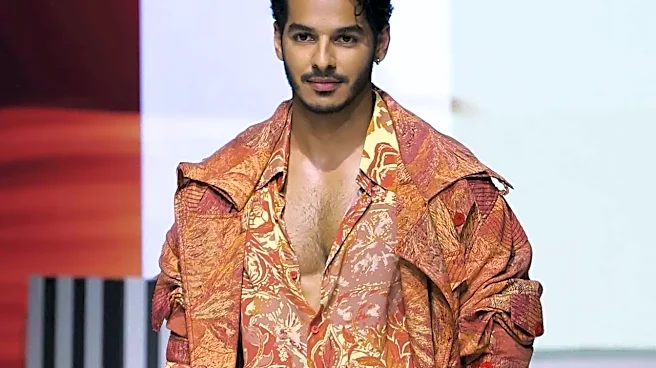

More Than Just Clothes
First, let's get one thing straight: a fashion show's primary job isn't always to sell the exact garments you see on the runway. In today's hyper-saturated media landscape, a show is a powerful marketing
tool. It’s about creating a 'moment'—an immersive experience so compelling it generates buzz, gets shared on social media, and solidifies the brand's identity for the season. Designers use elaborate sets, music, and choreography to build a world and tell a story. Think of it like a concept car at an auto show; it’s an exaggerated, artistic statement meant to showcase creativity, technical skill, and a vision for the future. The ideas, colors, and moods presented are meant to trickle down into more wearable, commercial pieces later.
Lost in the Narrative
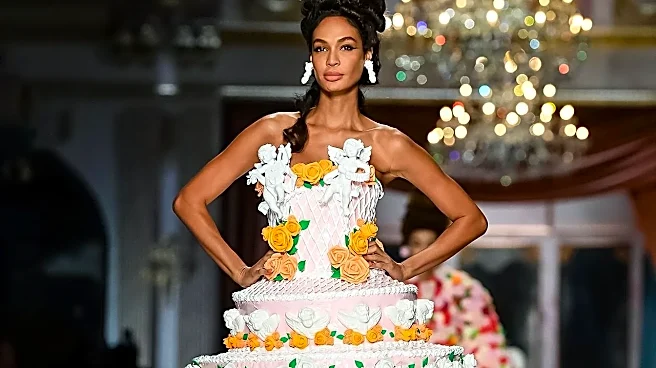
The problem arises when the theme becomes so overpowering that the clothes can't stand on their own. When a collection is too literal in its interpretation of a concept, the garments can feel more like costumes. For example, a show with a heavy-handed historical or cultural theme might produce outfits that look out of place anywhere but on that specific runway. Alexander McQueen's iconic and controversial 'Highland Rape' show in 1995 featured battered-looking models in torn clothing to tell a story of English persecution of Scotland. While profoundly impactful as performance art, the individual clothes were secondary to the shocking narrative. More recently, critics have noted when a designer's commitment to a theatrical bit—like a sci-fi dystopia or a fairytale forest—results in pieces that feel like character wardrobe rather than covetable fashion. The story becomes the star, and the clothes are just supporting actors.
The Runway-to-Retail Gap
This disconnect often highlights the gap between wearable art and wearable clothing. A sculptural dress that looks magnificent while a model walks a straight line might be impossible to sit down in. Proportions that seem striking and futuristic on the runway can feel awkward and unflattering in real life. Designers are often trying to push boundaries and express a pure artistic vision, free from the constraints of practicality and cost. However, this can lead to a 'translation problem.' Buyers for major department stores watch these shows looking for pieces that will resonate with their customers. If a collection is too conceptual or extreme, they may only pick up a few of the most commercial items, leaving the core creative vision behind. The watered-down versions that eventually hit stores can lose the magic of the runway show entirely, feeling like a faint echo of the original idea.
Striking the Perfect Balance
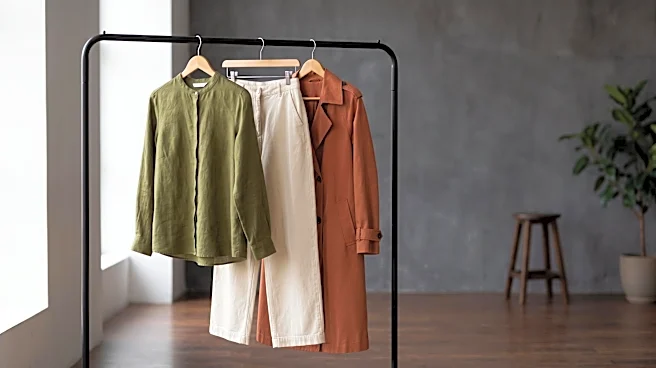
Of course, a strong theme and strong clothes are not mutually exclusive. The most successful designers are masters of synthesis. They use a powerful narrative to enhance the clothing, not eclipse it. Think of Coco Chanel, who revolutionized fashion by creating collections around themes of comfort, freedom, and adapting menswear for women; the concept was powerful, but the clothes were undeniably the focus. A great collection uses theme as a guide for color palettes, silhouettes, and fabric choices, ensuring every piece feels like a part of a cohesive, desirable world. The runway show provides the context and emotion, but each garment should be strong enough to tell its own story when it steps off the stage and into a person's life. The theme should be the seasoning, not the entire meal.