







From Comic Page to Global Franchise
Not long ago, a comic book becoming a movie was the pinnacle of success. Today, it’s just the first step. Intellectual Property (IP) expansion is the modern entertainment playbook, where a single character or story is no longer just a comic, a book, or a movie.
Instead, it’s the seed for an entire ecosystem. Think of it as transmedia storytelling on a global scale. A successful comic book doesn't just get a film adaptation; it gets a prequel series on a streaming service, a spin-off animated show, a AAA video game, a companion podcast, a line of toys from Hasbro, and maybe even a theme park ride. New York Comic Con has become the central nervous system for this strategy, a place where companies can both announce these sprawling plans and gauge the all-important reaction from their most dedicated consumers.
The Main Stage Proving Ground
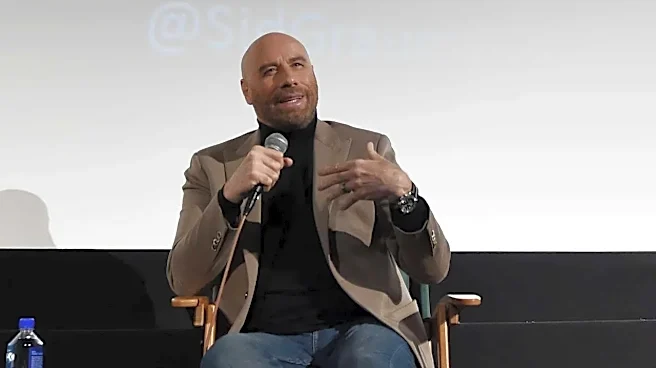
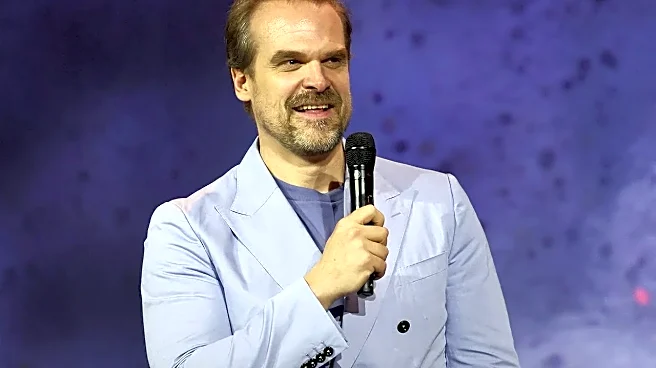
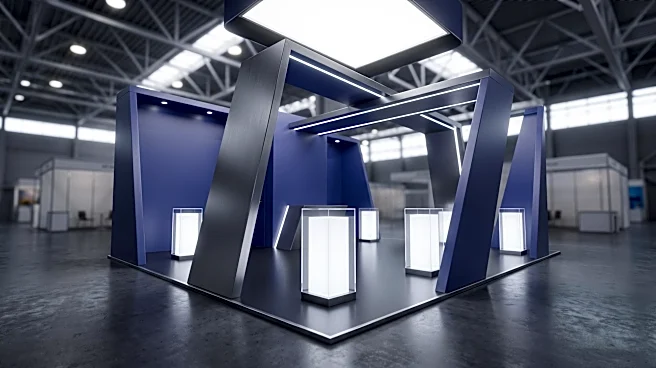
The major panels at the Javits Center are where this theory becomes reality. This year, the evidence is everywhere. Marvel Studios and Marvel Animation are using their panels to showcase what’s next for Disney+, teasing upcoming series like the 'WandaVision' spinoff 'VisionQuest' and new seasons of animated hits. This isn't just about showing trailers; it's about reinforcing the idea that these stories are interconnected and constantly growing. Meanwhile, DC is operating on a similar wavelength, with an expanded, multilevel booth designed to showcase not just its comics, but also its live-action, animation, and gaming projects side-by-side. Panels for its Vertigo and Black Label imprints are designed to find the next breakout hit that can be adapted, while a major focus on the final season of 'The Walking Dead: Daryl Dixon' shows how to manage a long-running IP's next phase.
Beyond the Screen: Games, Merch, and Experiences
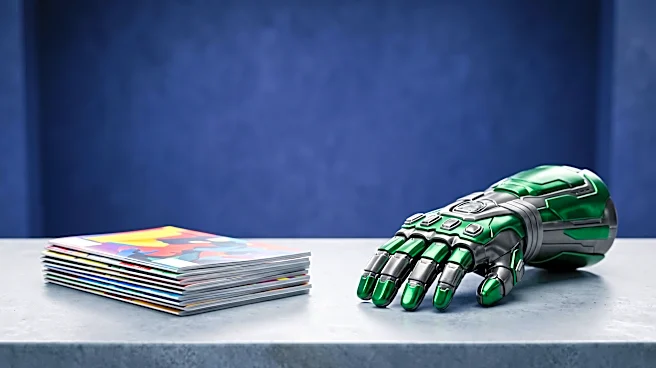
The expansion strategy goes far beyond television and film. The convention floor is a vibrant marketplace for this multi-pronged approach. Video games are a huge component, with panels for titles like 'Final Fantasy VII Revelation' and new 'Star Wars' games drawing massive crowds, turning cinematic universes into interactive ones. Blumhouse is there to tease its upcoming slate of films, TV shows, and games, treating them as a unified horror universe. Even book-to-screen adaptations get a dedicated spotlight, with a panel featuring Universal executives and the author of 'Dungeon Crawler Carl' explaining how a story is translated from the page to a Peacock series. Then there's the merchandise. DC is launching limited-edition comics and apparel, including an in-universe band T-shirt for the character Clayface, creating products that feel like they exist within the story world itself.
The Battle for Fan Buy-In
Ultimately, none of this works without the fans. A corporation can’t simply declare a franchise a success; the audience has to embrace it. This is why NYCC is so critical. It’s not just a press conference; it’s a focus group of 250,000 of the most passionate consumers on the planet. When Prime Video holds a panel and an immersive two-floor experience for 'Blade Runner 2099', it’s a direct appeal for fan investment in a classic IP's next chapter. When DC builds a 360-degree cosplay photo installation, it’s encouraging fans to literally embody their characters, deepening their connection to the brand. The energy and feedback generated here are invaluable. A positive reception can build momentum for a new series or game for months, while a lukewarm response can signal to executives that a course correction is needed. In this sense, every cosplayer, every attendee asking a question at a panel, and every fan lining up for an exclusive is an active participant in the business of building worlds.