

The calendar flips to October, and suddenly your favorite TV show isn't just about the office, the precinct, or the study group anymore. It’s a full-blown Halloween special. But the most vital part isn't the costumes; it's the cold open.
The Standard Job of a Cold Open
In the world of
television, the cold open—that short scene before the opening credits—is a versatile tool. In sitcoms, it's often a self-contained gag, a quick hit of comedy to get you laughing before the main plot kicks in. Think of Kevin spilling his famous chili all over the Dunder Mifflin floor or Jake Peralta making suspects sing Backstreet Boys in the interrogation room. These moments are brilliant, but they don't always define the episode that follows. A cold open's primary job is to hook the viewer, ensuring they don’t change the channel. It’s a quick, efficient joke machine or a mini-story that establishes character dynamics before the theme song rolls.
The Halloween Mission Statement
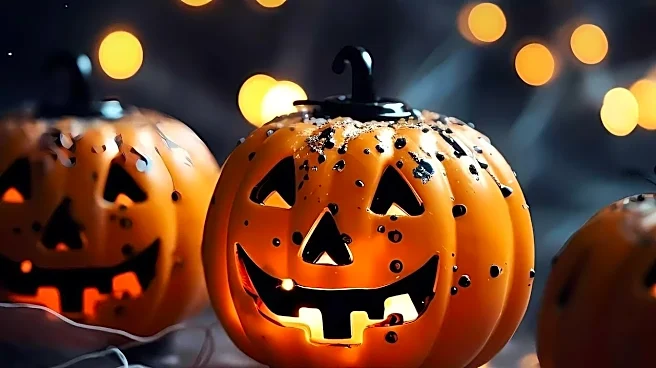
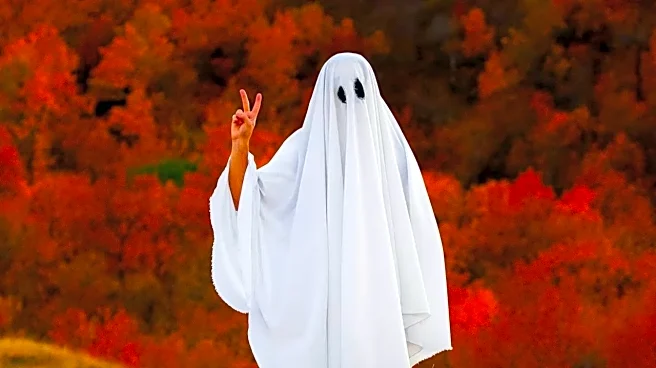
But in a Halloween episode, the cold open’s mission changes. It becomes a declaration of intent. It’s the show’s way of winking at the audience and saying, "The normal rules don't apply tonight." These specials are an annual tradition where writers get to break format, indulge in genre parodies, and push their characters into surreal territory. The cold open is the portal into that chaos. It has to instantly establish a new tone, whether it’s genuinely spooky, absurdly silly, or a mix of both. It’s not just a warm-up; it's the starter pistol for a 22-minute sprint away from the show's established reality.
The Sitcom Spectacle: Heists and Horrors
Nowhere is this more apparent than in modern sitcoms. 'Brooklyn Nine-Nine' turned its Halloween episodes into an institution with the annual 'Halloween Heist.' The cold opens for these episodes became increasingly elaborate, setting up complex rivalries and impossible stakes that would dominate the entire narrative. One even reveals the heist has secretly been going on for six months. Similarly, 'The Office' used its Halloween cold opens to showcase the peak of its character-based absurdity. In one famous opening, Dwight Schrute, Jim Halpert, and Creed Bratton all show up dressed as the Joker, forcing a hilariously awkward confrontation. In another, since-removed cold open, Michael Scott stages a mock suicide in a haunted house to scare children, a gag so dark it was pulled from reruns but perfectly illustrates how these episodes push boundaries from the very first second.
The Animation Anarchy: Breaking All the Rules
For animated shows, the Halloween cold open is a license for total anarchy. 'The Simpsons' and its annual "Treehouse of Horror" series are the undisputed champions of this form. Since the very first special in 1990, the openings have served to detach the episode from the show's canon. Marge often appeared to deliver a parental warning, or humorous tombstones would flash on screen. Later iterations became showcases for lavish, reference-packed sequences, like Guillermo del Toro's masterful 2013 intro that crammed dozens of horror movie Easter eggs into less than three minutes. These cold opens don't just set a spooky mood; they confirm that what you're about to see exists outside the normal timeline, where characters can die, cosmic horrors can emerge, and the entire reality of Springfield can be gleefully torn apart.
A Promise of Something Special
Other shows like 'Community' also mastered this. Its first Halloween episode, "Introduction to Statistics," uses the cold open to show the study group in their costumes, immediately signaling a departure from a normal day at Greendale Community College. The zombie-themed "Epidemiology" episode throws you right into the chaos, using a military quarantine to frame the story. Each opening serves as a compact promise to the audience: this isn't just another episode with pumpkins in the background. It's an event. The gags are bigger, the concepts are wilder, and the very fabric of the show is about to be playfully warped for your entertainment. Without that initial, tone-setting blast, the rest of the episode wouldn't land with nearly the same impact.