



The Allure and the Anxiety
The idea of a Disney resort on Maui is both thrilling and fraught with tension. For families, it represents a perfect marriage: the world’s most trusted family entertainment brand meets one of the world’s most beloved vacation destinations. The potential
for stunning vistas, next-level amenities, and that signature Disney service is undeniable. But for many, especially those who cherish Hawaiian culture, the concept raises immediate red flags. Tourism has already placed significant strain on Maui's resources and cultural identity, with locals often priced out and sacred traditions commercialized. The question isn't just can Disney build in Maui, but how? A misstep could easily feel like another chapter in the long story of cultural appropriation, turning paradise into a theme park caricature.
Beyond Tiki Torches and Plastic Leis
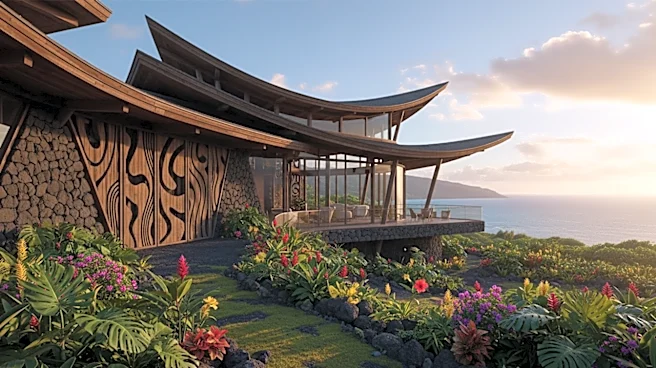
This brings us to the one design choice that will ultimately define any such project: the commitment to deep, authentic cultural integration versus superficial theming. This isn't about hanging a few surfboards in the lobby or having employees say “Aloha.” It's about a fundamental decision to either honor or parody the host culture. Getting this wrong means commodifying practices and diluting their meaning for profit. A resort that relies on stereotypes—think generic tiki torches and plastic leis—doesn't just create a bland, forgettable experience for the modern traveler; it risks causing genuine offense and contributing to the erosion of the very culture it's trying to sell. In Hawai’i, where history and place are deeply intertwined, this choice is everything.
A Lesson From Oʻahu
Fortunately, Disney has a blueprint. When developing its Aulani resort on Oʻahu, the company made a concerted effort to get this right. Walt Disney Imagineers worked hand-in-hand with a committee of local cultural experts, historians, and artisans to weave authentic Hawaiian stories into the very fabric of the resort. The resort’s name itself, Aulani, means “messenger of a chief,” signifying that the Hawaiian culture is the true authority. This commitment is visible everywhere, from the architecture that tells the story of the islands to the extensive collection of contemporary local art. The kids' club is called Aunty's Beach House, referencing the local custom of referring to elders with respect. While not without its critics, Aulani demonstrated that a global brand could prioritize genuine partnership over simple decoration.
The Rise of the Cultural Ambassador
The Aulani approach is part of a broader, positive trend in Hawaiian hospitality: the rise of the cultural advisor. A decade ago, few resorts had such a role; now, it's seen as essential. These advisors, often Native Hawaiian practitioners, work to ensure that culture is respected, not just performed. Their responsibilities range from teaching guests the proper pronunciation of place names to advising management on everything from uniform design to the appropriate use of ceremonies. This role is about balancing business with kuleana, the Hawaiian value of responsibility to place and community. For any new project on Maui, integrating such leadership from the very beginning wouldn't just be a good idea—it would be the only responsible path forward.
Why Maui Is a Unique Test
While Oʻahu provided a proving ground, the stakes on Maui are arguably even higher. The island is grappling with the devastating aftermath of recent wildfires and a long-standing, complex debate about over-tourism. The community is acutely aware of the fragility of its resources and cultural sites. Any new large-scale development would face intense scrutiny. Success would require more than just replicating the Aulani model; it would demand an even deeper, more sensitive engagement with the specific history, stories, and people of Maui. It would require a developer to prove it is there not just to profit from the island's beauty, but to contribute to its preservation and economic well-being in a way that directly benefits residents.