

The Illusion of a Living World
When you watch a film, you consciously follow the dialogue. But your subconscious is processing a torrent of other audio cues that create the reality of the scene. A rough cut often relies on ‘production sound’—the audio captured on set. It’s functional,
but it’s rarely clean. You might hear the hum of a refrigerator the crew forgot to unplug, a distant siren, or flat, lifeless room tone. A festival-ready film, by contrast, features a meticulously crafted soundscape. Sound designers strip out unwanted noise and then rebuild the world layer by layer. They add the specific, character-filled hum of a city street outside a window, the gentle rustle of leaves in a park, or the oppressive, sterile silence of a hospital waiting room. This isn't just background noise; it's atmospheric storytelling that tells you where you are and how you should feel, all without a single line of dialogue.
Foley: The Art of Tiny Noises
One of the biggest tells of an amateur production is weak Foley. Named after sound-effects artist Jack Foley, this is the art of performing and recording everyday sounds to sync with the picture. The rustle of a character’s jacket as they turn, the specific clink of a whiskey glass on a wooden bar, the squelch of boots in mud—these are almost never captured cleanly on set. In a rough cut, these sounds are often missing entirely, making character movements feel weightless and disconnected. In a polished film, a Foley artist has painstakingly recreated every single one of these sonic details. This process grounds the characters in their environment, giving their actions physical believability and texture. It’s an invisible art form; when it’s done well, you don’t notice it. But when it’s absent, the entire film feels flimsy and unconvincing.
From Temp Tracks to Emotional Score
Music is the most obvious emotional tool in a filmmaker's arsenal, but how it's used is a key differentiator. Many directors edit their rough cuts using ‘temp music’—pre-existing scores from famous films, like Hans Zimmer’s work from *Inception* or a classic John Williams theme. This helps establish a rhythm and mood for the edit, but it’s a placeholder. It rarely fits the new film’s unique emotional contours perfectly. The films that break through at places like Tribeca often feature a bespoke, original score. A composer works with the director to create music that is tailored to the specific beats of the story, swelling to amplify a moment of triumph or receding into a subtle, tense drone. This creates a unique sonic identity for the film, guiding the audience’s feelings with precision rather than with a blunt, borrowed instrument.
The Final Mix: The Secret Sauce
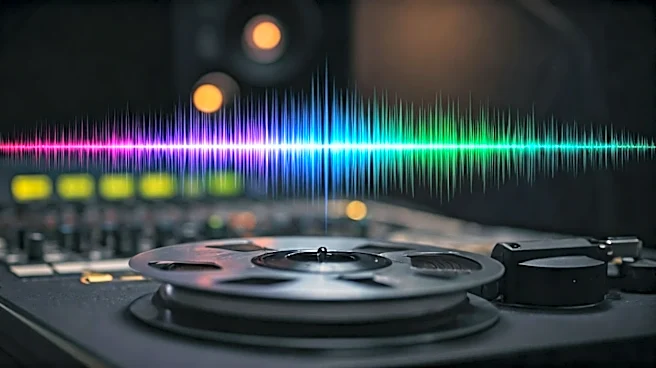
You can have a great score, perfect Foley, and clean dialogue, but if they are all competing for attention, the result is a sonic mess. This is where the final sound mix comes in. A professional sound mixer acts as the ultimate conductor, taking all the disparate audio elements—dialogue, music, ambient noise, and Foley—and balancing them into a coherent, dynamic whole. They ensure you can hear a crucial line of dialogue over a dramatic musical swell, or that the sudden silence after a loud explosion has the maximum dramatic impact. A bad mix feels muddy and confusing; a good mix is clear, immersive, and directs your attention exactly where the filmmaker wants it. This final polish is arguably the single most important step in turning a collection of scenes into a cinematic experience worthy of a festival premiere.