




The Foundation: Understanding the Rise
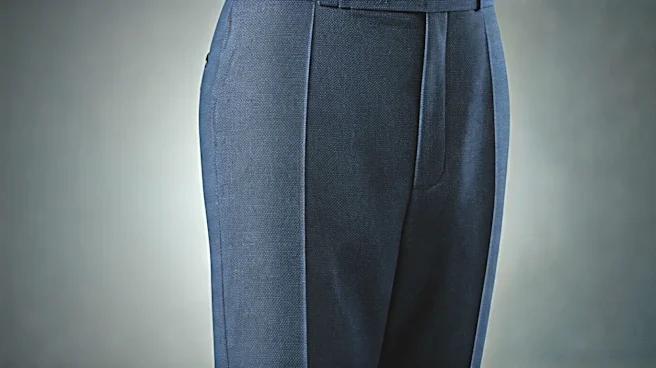
Forget brand names and fabric for a second. The single most important measurement in a great pair of trousers is the rise—the distance from the crotch seam to the top of the waistband. At Pitti, the best-dressed aren't wearing low-slung, hip-hugging pants.
They’re wearing trousers with a generous rise that sits at or just above their natural waist (think navel level, not hip bone). This isn’t just a retro affectation; it’s a strategic move. A higher rise visually elongates the leg line, making you appear taller and leaner. While a standard 'low-rise' might measure 8-9 inches, a proper high-rise can be 11, 12, or even 13 inches. This extra fabric is the canvas upon which the rest of the silhouette is painted. It anchors the trousers, preventing the dreaded 'muffin top' and creating a clean, unbroken line from waist to shoe.
The Golden Ratio of Waist and Inseam
Here's where the 'math' gets interesting. By moving the waistband up from the hips to the natural waist, you are fundamentally altering your body's perceived proportions. Most off-the-rack trousers create a visual midpoint around the hips, which can make one's torso look long and legs seem short. High-waisted trousers correct this. They re-establish the waist as the body’s center, creating a more flattering ratio between your upper and lower body, often approaching the 'golden ratio' artists have used for centuries. Your inseam (the length of the leg from crotch to hem) might stay the same, but because the trouser starts higher, your legs *look* significantly longer. This trick of the eye is the secret weapon of shorter men and a powerful tool for taller men seeking to create a more balanced, elegant frame. The goal isn't to cut your torso in half, but to find a balance that feels both powerful and graceful.
The Science of the Taper
A high rise changes how the leg of the trouser should behave. With the anchor point set high and the seat full, the leg line needs to be carefully managed to avoid a baggy, 'clown pants' effect. This is achieved through a gradual taper. The best-cut trousers seen at Pitti often feature a roomier thigh that allows for comfort and movement (often aided by pleats), which then slims down progressively from the knee to the ankle. The width of the leg opening is crucial. Too wide, and you lose the silhouette's shape. Too narrow, and it looks unbalanced with the higher waist. A leg opening of around 7 to 7.5 inches is often considered a sweet spot, creating a clean line that sits neatly atop the shoes without excessive fabric puddling. This controlled taper ensures the visual length gained from the high rise isn't squandered by a sloppy finish.
Finishing Touches: Pleats, Pockets, and Breaks
The final calculations involve the details. Pleats, for instance, are functional, not just decorative. On a high-waisted trouser, single or double pleats add necessary volume to the hips and seat, allowing you to sit and move comfortably without the fabric pulling. They create a graceful drape that falls cleanly. Pocket placement is also key; they are often set higher and slightly more angled to follow the line of the waist, preventing the pockets from flaring out and widening the hips. Finally, there's the 'break,' or the fold of fabric that occurs where the trouser hem meets the shoe. While there’s no single rule, many of Pitti’s elite opt for a minimal 'no break' or a slight 'kiss' break. This shows off the clean, tapered line of the trouser and completes the leg-lengthening illusion. A full, sloppy break would immediately ruin the entire geometric effect.