

The Show After the Show
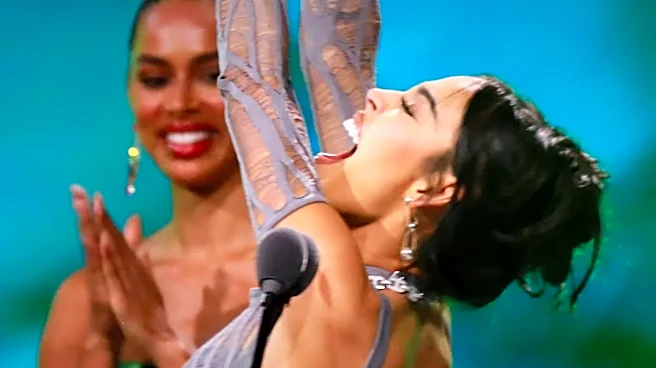
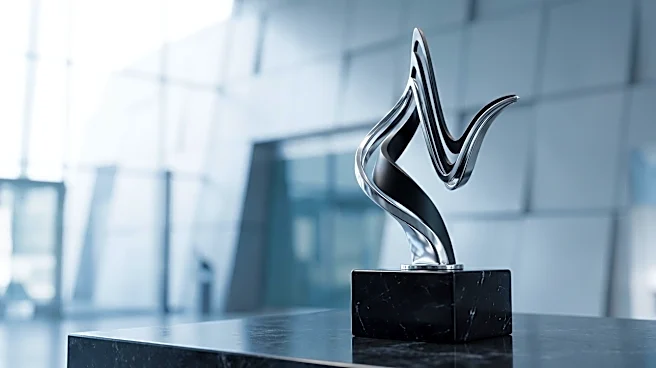
The truth is, the live VMA broadcast is only the beginning. For MTV and the artists involved, the real victory isn't just winning a Moon Person trophy, but winning the internet for the next 48 hours. In an age of dwindling live TV ratings, the value of an awards
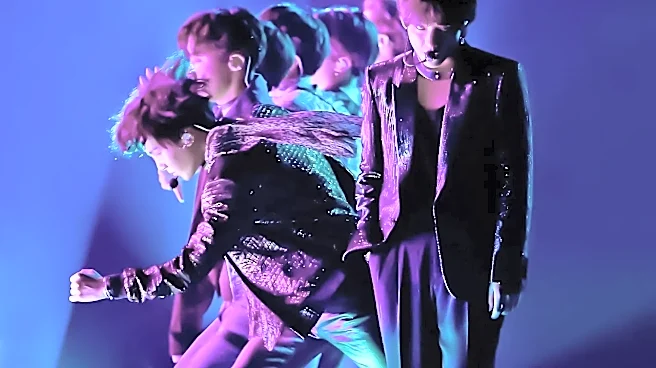
show is increasingly measured by its social media footprint. A 15-second clip of a shocking celebrity interaction or a jaw-dropping performance snippet can generate more buzz and sustained engagement than the entire three-hour broadcast. This online afterlife—the endless loop of GIFs, memes, and hot takes on TikTok and X (formerly Twitter)—is where the show's cultural relevance is truly forged. Producers understand this reality and now build shows not just for the audience watching at home, but for the millions who will consume it in bite-sized, shareable pieces the next day.
Engineering 'Authentic' Chaos
The most iconic VMA moments feel like pure, unplanned chaos. Think Kanye West interrupting Taylor Swift in 2009 or Rage Against the Machine's bassist climbing the stage scaffolding in protest in 2000. While some moments are genuinely spontaneous, many are the result of what producers call 'soft-scripting' or 'structured reality.' This involves creating conditions ripe for drama. It can be as simple as a seating chart that places artists with a known feud in each other's eyeline, or pairing presenters with clashing personalities. The goal is to spark a reaction that feels authentic in the moment, even if the catalyst was carefully planned. The infamous Madonna and Britney Spears kiss in 2003 was a meticulously rehearsed performance, yet the cameras were ready to cut to Justin Timberlake’s reaction, creating a secondary moment of drama that was just as talked-about as the kiss itself.
The Anatomy of a Viral Moment
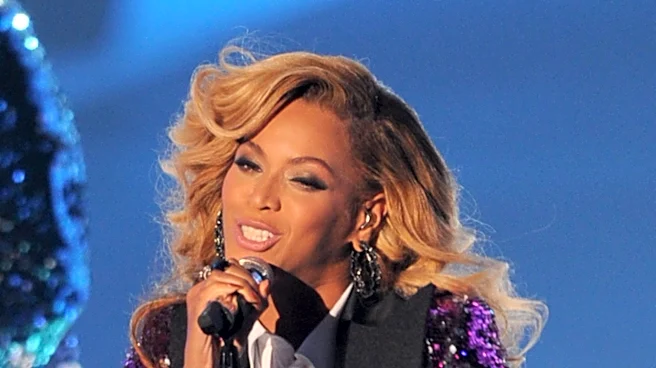
Not all moments are created equal. For a VMA highlight to go viral, it needs to be easily digestible and emotionally potent. The perfect viral clip is typically short, visually clear, and elicits a strong, simple emotion like shock, humor, awe, or outrage. Consider Beyoncé's pregnancy reveal at the end of her 2011 "Love on Top" performance. It was a simple, silent gesture—unbuttoning her blazer and rubbing her stomach—that was instantly understandable and emotionally resonant. Similarly, Lady Gaga’s 2010 meat dress was a bizarre visual that didn't require any context to be shocking and shareable. Even audience reaction shots are curated for maximum impact. A quick cutaway to a celebrity looking bored, impressed, or confused can become a reaction GIF that lives on for years, extending the VMA brand far beyond the confines of the show.
Casting for Clicks
The performers and presenters at the VMAs are chosen for more than just their chart success; they're cast for their potential to create content. Artists known for their outspoken personalities, unpredictable behavior, or history of creating headlines are valuable assets. Miley Cyrus's provocative 2013 performance with Robin Thicke wasn't just a musical act; it was a calculated play for media dominance that people talked about for weeks. The show has a long history of leaning into controversy, from Madonna's career-defining "Like a Virgin" performance in 1984 to Lil' Kim's revealing outfit in 1999 that prompted a playful jiggle from Diana Ross. These moments are central to the VMA's identity as a place where the unexpected can happen, ensuring that viewers and non-viewers alike are paying attention.