





What Exactly Is a Clarity-Enhanced Diamond?
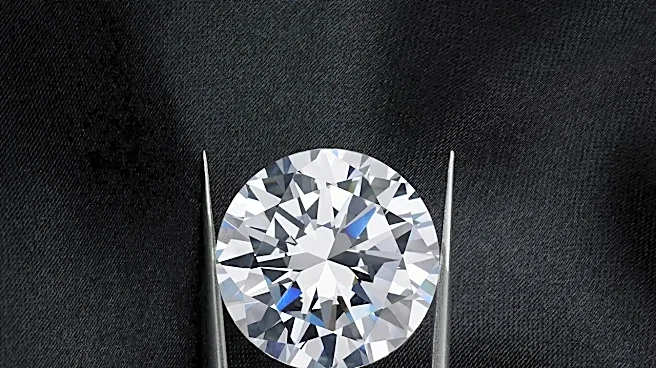
First things first: a clarity-enhanced diamond is a real, natural diamond mined from the earth. It is not a lab-grown or fake stone. These diamonds just started life with more noticeable internal flaws, known as inclusions. The enhancement process is essentially
a cosmetic treatment to make these flaws less visible, boosting the diamond's visual appeal. There are two main methods jewelers use. The first is laser drilling, where a microscopic channel is drilled to a dark inclusion, which is then dissolved or vaporized. This process is permanent, and the change in clarity is lasting. The second, more common method is fracture filling. This involves injecting a microscopic amount of a glass-like resin into tiny surface-reaching cracks or “feathers.” The resin has similar optical properties to the diamond, allowing light to pass through the flaw instead of reflecting off it, which makes the inclusion nearly invisible to the naked eye.
The Argument For: More 'Wow' for Your Wallet
The number one reason to consider a clarity-enhanced diamond is affordability. You can get a stone that appears visually comparable to a high-grade, non-enhanced diamond for a fraction of the price—often 30-50% less. This means your budget can stretch to a larger carat weight or a better cut, giving you a more impressive-looking piece of jewelry for the money. For many buyers, especially those who prioritize size and sparkle over investment-grade purity, this is a winning proposition. If your goal is to own a beautiful, brilliant diamond for everyday wear without the anxiety-inducing price tag of a flawless natural stone, the value is hard to argue with.
The Argument Against: A Compromise on Value and Durability
The trade-off for that lower price comes in two key areas: long-term value and durability. While laser drilling is permanent, fracture filling is not. The resin filling can degrade, discolor, or even come out if exposed to high heat (like a jeweler’s torch during repairs), ultrasonic cleaners, or harsh chemicals. This would cause the original inclusion to reappear, and the diamond would need to be re-treated. Furthermore, these diamonds have a significantly lower resale value compared to their untreated counterparts. Major gemological labs like the GIA (Gemological Institute of America) will not issue a full grading report for fracture-filled diamonds because the treatment is considered unstable. While they will grade laser-drilled stones, the treatment is always disclosed on the report. This lack of a top-tier certification and the nature of the enhancement can make them a tough sell on the secondary market.
So, What's the Verdict?
Ultimately, deciding whether a clarity-enhanced diamond is “worth it” depends entirely on your personal priorities. There isn't a universally right or wrong answer. It’s a classic head-versus-heart scenario that pits budget and appearance against purity and long-term investment. If you are a pragmatist who wants the biggest, most beautiful diamond your money can buy and you understand and accept the special care requirements and low resale value, an enhanced diamond can be a perfectly logical and satisfying choice. However, if you see a diamond as a timeless investment, an heirloom-in-the-making whose value should endure, then sticking with an untreated natural diamond is the safer, more traditional path. The most critical factor is transparency. A reputable jeweler will always disclose any and all treatments upfront. If the deal seems too good to be true and the seller is vague, walk away.