








A Wearable Flag
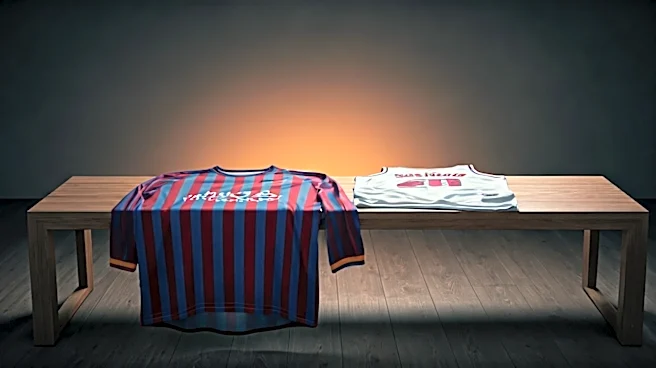
The first thing to understand is the fundamental difference in what the jerseys represent. An NBA jersey is a symbol of city pride, franchise history, and allegiance to a specific star. Wearing a Lakers jersey in Boston is a statement of tribal rivalry.
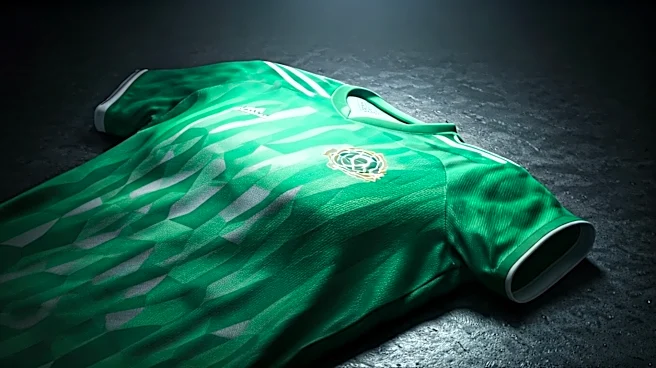
It’s powerful, but it’s rooted in club and player loyalty. A national team jersey for a World Cup or a continental championship like the Euros is something else entirely. It’s a wearable flag. For 90 minutes, it represents the collective hopes, history, and identity of an entire country. When a player pulls on the canary yellow of Brazil or the azure blue of Italy, they are carrying the weight of generations of fans and citizens. It’s not just about a team; it’s about national identity on the world’s biggest stage. This transforms the shirt from team merchandise into a piece of national symbolism, worn with a pride that transcends the sport itself.
Threads of History
Iconic NBA uniforms are time capsules. The Showtime Lakers’ purple and gold evokes Magic Johnson’s no-look passes; the '90s Orlando Magic pinstripes recall a young Shaq and Penny. They are tied to specific eras of greatness. Soccer jerseys operate the same way, but often with even deeper historical resonance. The simple, elegant Brazil kit from the 1970 World Cup is inseparable from Pelé and the birth of “the beautiful game.” The vibrant, geometric pattern of the Netherlands’ 1988 jersey is a holy grail for collectors, symbolizing the nation’s only major trophy and the genius of players like Marco van Basten. Diego Maradona’s 1986 Argentina jersey is a near-mythical artifact, the vessel for both the “Hand of God” and the “Goal of the Century.” These kits aren’t just reminders of great teams; they are historical documents woven from fabric, forever linked to moments that defined a nation’s place in the world.
From the Pitch to the Street
Here’s where the comparison becomes most direct. Just as NBA jerseys broke free from the court in the 1990s to become staples of hip-hop and streetwear, soccer kits have become a global fashion phenomenon. For decades, they were largely confined to stadiums and pubs. Today, they are high-concept design pieces dropped like coveted sneakers. The most explosive example was Nigeria’s 2018 World Cup kit. Its bold design sold out globally in minutes, with people lining up in London not because they were all Super Eagles fans, but because it was a stunning piece of fashion. This trend has been amplified by collaborations that blur the lines, most notably Paris Saint-Germain’s partnership with Nike’s Jordan Brand. Seeing the Jumpman logo on a soccer jersey was a watershed moment, officially cementing the kit’s status as a legitimate streetwear item on par with its basketball counterpart.
The Canvas for Culture
Both uniforms also serve as a canvas for a team’s identity and, increasingly, its values. In the NBA, this is most visible in the annual “City Edition” jerseys, which attempt to capture the unique culture of a team’s home base, from Atlanta’s tribute to Martin Luther King Jr. to Utah’s celebration of its natural landscapes. International soccer kits do this on a national scale. A jersey’s design might incorporate subtle patterns from indigenous art, architectural details from famous landmarks, or colors that tell a story about the nation’s history. They become part of a country's cultural conversation. They can even become vehicles for protest or statements of unity. In a sport where players represent millions, the shirt on their back is the most visible symbol of who they are and what they stand for, making its design and meaning a subject of intense debate and passion.