





The Golden Lion's Stamp of Approval
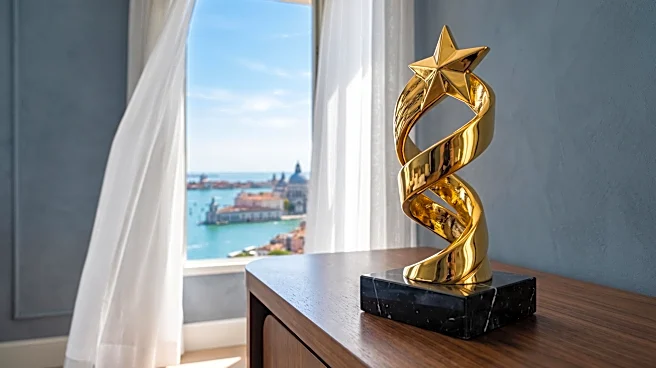
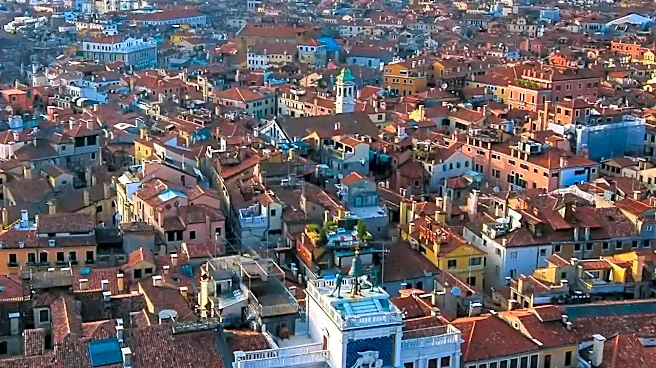
Founded in 1932, the Venice Film Festival is the world's oldest, and its top prize, the Golden Lion, is one of cinema's most coveted honors. Landing a film on the Lido, the island where the festival takes place, is more than just a screening; it’s an immediate
signal of artistic merit. Unlike festivals that celebrate sheer volume, Venice offers a highly curated competition lineup. This exclusivity means every selected film receives intense focus from the world’s press, forcing critics to engage with it on serious artistic terms. For a genre film, which might otherwise be relegated to fan-centric blogs or commercial reviews, this context is transformative. It's the difference between being seen as a commercial product and being presented as a work of art from day one.
From the Margins to the Mainstream
Historically, a stark line separated “serious” arthouse dramas from genre pictures. But Venice has played a pivotal role in blurring that line. Take Todd Phillips’ “Joker” in 2019. A dark, gritty origin story for a comic book villain is not typical film festival fare. Yet, it not only premiered at Venice but won the Golden Lion, an unprecedented achievement for a studio comic book adaptation. This win sparked a global conversation and legitimized its path to major Oscar nominations. Two years earlier, Guillermo del Toro’s “The Shape of Water,” a romantic fantasy about a mute woman falling for a captured fish-man, also won the Golden Lion. It went on to win the Academy Award for Best Picture, a feat that would have been almost unthinkable without the festival's initial seal of approval.
The Power of Re-Contextualization
The magic of Venice lies in its ability to re-contextualize a film. When a movie like “The Shape of Water” premieres on the Lido, audiences and critics are primed to look for its deeper themes—loneliness, prejudice, love against the odds—rather than simply its monster-movie mechanics. The setting itself, with its glamorous water taxi arrivals and historic Palazzo del Cinema, lends an air of untouchable prestige. This environment strips away the commercial marketing and forces a viewer to confront the film's craftsmanship: the direction, the score, the production design. For a director like del Toro, who has long championed the artistry within fantasy, the Venice platform allowed his work to be judged on the terms he always intended.
A Launchpad for Awards Season
Timing is everything. Venice’s late August/early September slot makes it the perfect launchpad for the fall awards season. A big splash here creates sustained buzz that can carry a film all the way to the Oscars. This has become a proven strategy. Films like “Roma,” “Nomadland,” and “Poor Things” all leveraged their Venice premieres into dominant awards campaigns. For a genre film, this is especially crucial. It provides the critical momentum needed to overcome ingrained industry biases against horror, sci-fi, and fantasy. A Golden Lion win doesn't just earn a trophy; it tells Academy voters that this isn't just a genre movie—it's one of the most important films of the year.