
Beyond the Red Carpet: What Is a Film Market?
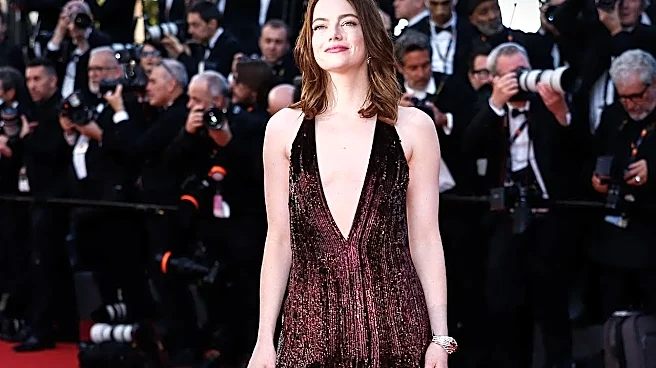
Think of a film festival as a glamorous movie premiere, but for the entire industry. A film market, which often runs alongside a major festival like Venice or Cannes, is the trade show happening in the background. It’s not for the public; it’s a B2B event
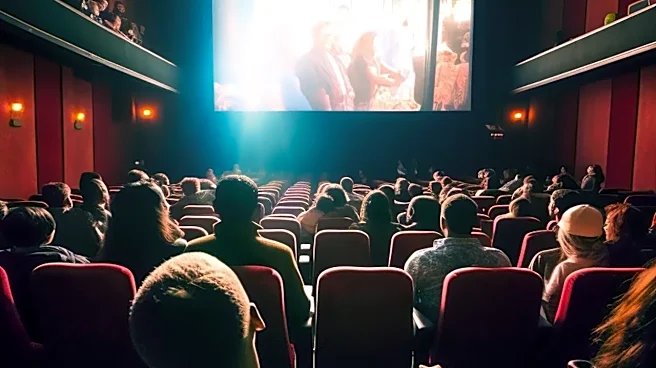
where the product is the film itself—or even just the idea of a film. Instead of popcorn and sold-out screenings, you’ll find sales agents, distributors, and financiers negotiating deals. While the festival celebrates the art of cinema, the market is purely about the business of buying and selling the rights to distribute that cinema around the world. The buzz from a festival premiere can certainly help a film at the market, but the market is where a movie’s commercial journey truly begins.
The Key Players: Sales Agents and Distributors
Two key figures dominate the film market: the sales agent and the distributor. A producer arrives with a finished film or a promising script. They hire a sales agent, who acts as a crucial intermediary. These agents have deep relationships with buyers from all over the globe and understand what will sell in different territories, from North America to Japan. The buyers are the distributors. A distributor from Germany might buy the rights to release a film only in German-speaking countries. A major streaming platform could buy the global rights, meaning they can show it to all their subscribers worldwide. The sales agent's job is to slice and dice these rights to maximize the film's reach and profitability, negotiating deals territory by territory.
The Art of the Deal: Pre-Sales and Finished Films
Deals at film markets take several forms. The simplest is selling a finished film that has just screened at the festival. Buyers see it, they like it, and they make an offer. But many, if not most, independent films are financed through a process called "pre-sales." This is where a sales agent sells the distribution rights to a film that hasn't even been shot yet. They might go to market with just a script, a well-known director, and a couple of attached movie stars. A distributor in France might commit to paying a certain amount (a "minimum guarantee") for the French rights upon the film's completion. The producer can then take these pre-sale contracts to a bank as collateral to secure a loan to actually make the movie. This complex process is how many of the indie darlings we see were funded long before a single frame was filmed.
The Long Road to Your Screen
A handshake deal at a film market is just the beginning of a long journey. Let’s say an American distributor buys the U.S. rights to a Spanish thriller that was a hit at Venice. That distributor now has to create a release strategy. This involves creating a new trailer and poster for American audiences, booking theaters, planning a marketing campaign, and navigating the crowded release schedule. This entire process can easily take 12 to 24 months. That's why a film that generates headlines at a festival in September of one year might not appear in your local cinema or on your favorite streaming service until two years later. It’s a slow, deliberate process, guided not by artistic merit alone, but by the complex web of financial and logistical decisions made in a hotel meeting room years earlier.