



The Ritual Is the Reward
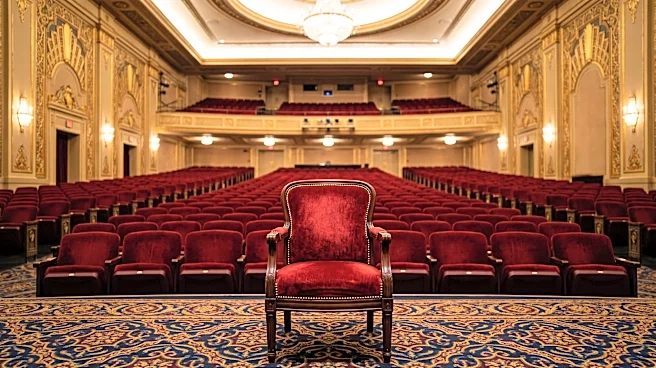
Remember when going to the movies was a whole-night affair? It wasn't just about passively consuming two hours of content; it was an active, planned event. In the golden age of cinema, movie palaces were opulent temples designed to make the average person
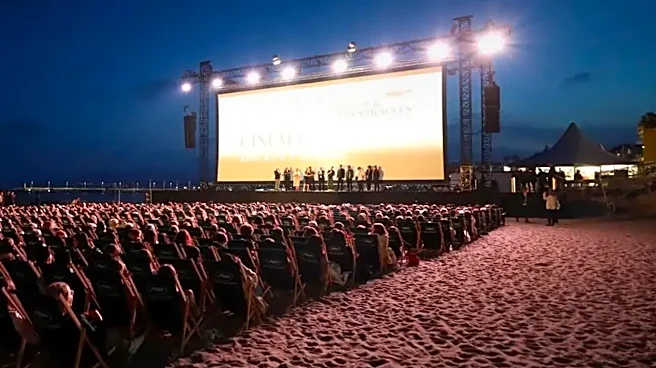
feel like royalty. People would get dressed up, meet friends, and treat the outing with a sense of occasion. Today, streaming has made watching a movie an act of convenience rather than celebration. We've traded the grand auditorium for the living room couch, and in doing so, we've lost the ritual. The anticipation of a specific showtime, the shared experience of leaving the house—these weren't obstacles to be optimized away; they were part of the joy. They signaled that for the next few hours, this story was the only thing that mattered.
The Power of a Captive Audience
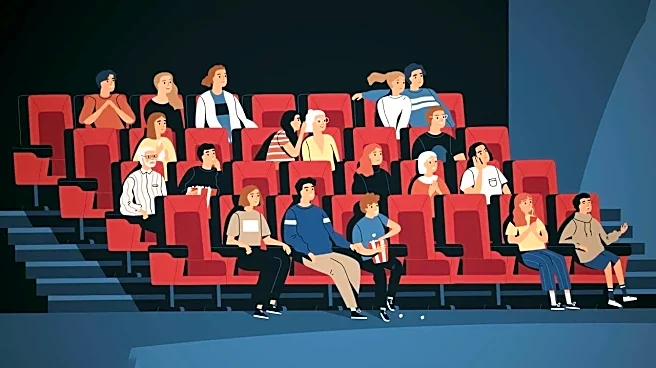
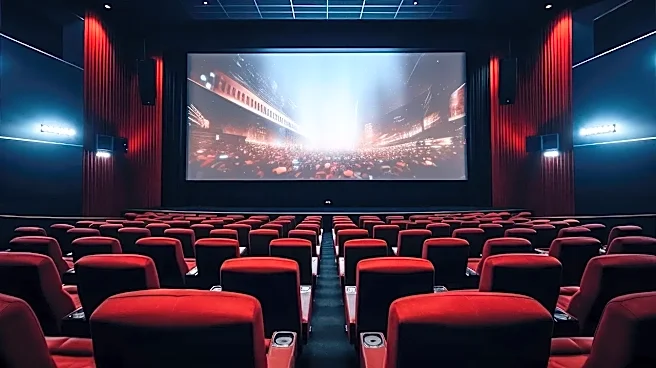
Once you're in that plush theater seat, there's a beautiful, unspoken contract: you put your phone away and commit. You are, for a moment, unreachable. This forced focus is a modern-day superpower. At home, distractions are endless—a buzzing phone, a looming pile of laundry, the option to pause and scroll. In a theater, you surrender to the story. That shared focus creates a unique energy. The collective gasp during a shocking twist, the roar of laughter rippling through the crowd, the shared sniffles during a poignant moment—these are things streaming algorithms can't replicate. This communal experience is so powerful that it's being credited with a surprising revival in cinema attendance, particularly among younger generations seeking genuine connection in an overly individualized world.
The Lost Art of the Post-Movie Debrief
Here is the habit, the single most important part of the old-school moviegoing experience: the post-credits debrief. The movie doesn't end when the lights come up. It ends an hour later, over a shared plate of fries at a 24-hour diner or during the walk to the car, as you and your friends passionately argue about the ending, unpack the themes, and quote the best lines. This is where the film truly settles into your memory. It transforms from something you merely watched into something you experienced and processed together. Today's equivalent is often pulling out your phone to read reviews or see what strangers on social media are saying, a solo act that short-circuits the magic of forming your own shared interpretation. The real fun isn't just seeing the movie; it's talking about it afterward.
How to Make It an Event Again
Bringing this tradition back is surprisingly simple. First, pick your movie and assemble your crew. Make a real plan, as if you were buying a concert ticket. It's not just "a movie"; it's an event. Second, commit to the rules: phones silenced and stored away from the first trailer to the final credit. And most importantly, schedule the after-party. It doesn’t need to be fancy—a coffee shop, a bar, or even someone's living room will do. The crucial part is dedicating time immediately after the film for a no-holds-barred discussion. Don't let the conversation get derailed by what critics thought. Start with the basics: "What was the one scene you can't stop thinking about?" or "Did that ending work for you?" This simple act of communal analysis makes the film stick, turning a good movie night into a great one.