





More Than a Pretty Dress
For decades, red carpet fashion was about one thing: looking good. The goal was to land on a 'Best Dressed' list, earn a little praise, and thank the designer. That era is over. Today, fashion is a key part of the strategic machinery behind any serious
awards campaign. Stylists are no longer just picking out pretty dresses; they are 'image architects' crafting a narrative. Every public appearance, from the red carpet to a casual coffee run captured by paparazzi, is a calculated opportunity to tell a story about who the performer is right now—and why they’re deserving of a win. This shift treats fashion as a form of communication, a visual P.R. tool that can subtly influence the perception of voters and the public alike.
The Art of Method Dressing
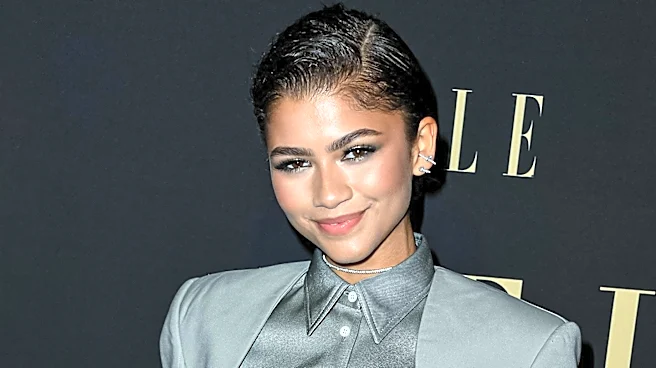
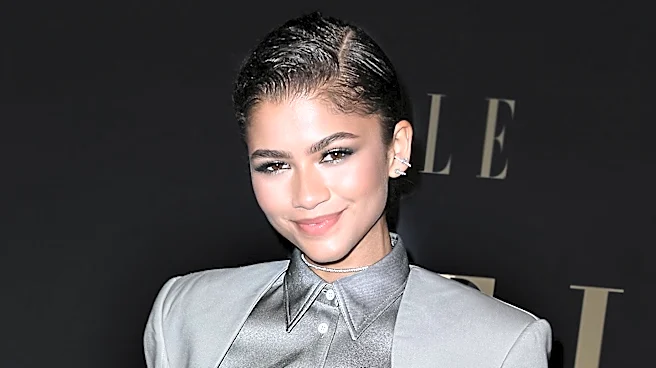
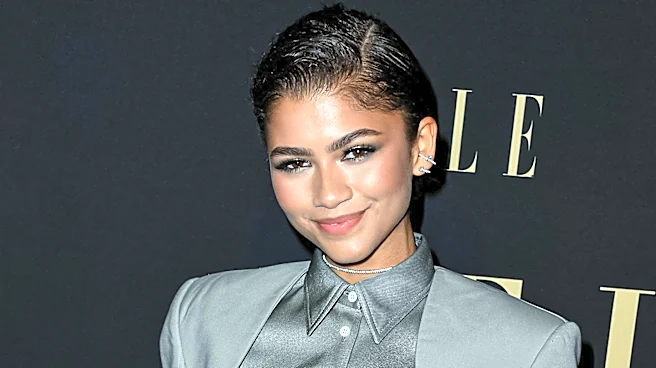
One of the most potent strategies is 'method dressing'. Popularized by the powerhouse duo of Zendaya and her stylist Law Roach, the concept involves using fashion to echo the themes of a project or the essence of a character. Zendaya's press tours are a masterclass in this, with looks that directly reference her roles, from the Grecian goddess gowns for "The Odyssey" to tennis-inspired chic for "Challengers." But the tactic is now widespread. Think of an actor nominated for a dark, gritty role suddenly appearing in sharp, serious, and powerful silhouettes. Or a comedian trying to be taken seriously for a dramatic turn adopting a more refined, high-fashion aesthetic. This isn't just playing dress-up; it's a non-verbal way of telling Emmy voters, 'See? I embody this role. I am this character.'
Case Study: The Ayo Edebiri Evolution
A perfect recent example is Ayo Edebiri. As her role in 'The Bear' and her industry profile skyrocketed, so did the sophistication and intention of her style. Working with stylist Danielle Goldberg, Edebiri’s fashion evolved from quirky and playful in her early career to sleek, powerful, and impeccably chic. She moved from colorful, whimsical looks to custom, structured pieces from major houses like Louis Vuitton and Prada. This wasn't an abandonment of her personality, but an elevation. Her new, more mature style mirrored her professional ascent, signaling to the industry that she wasn't just a breakout star, but a formidable, established talent—a leading lady. Her Emmy win for Best Supporting Actress felt like a coronation, with a style journey that perfectly matched her career trajectory.
The Power Players Behind the Pivot
Behind every great style pivot is a brilliant stylist. Figures like Danielle Goldberg (Ayo Edebiri, Greta Lee), Andrew Mukamal (Margot Robbie), and the legendary Law Roach (Zendaya) are the true architects of these campaigns. They are cultural translators, turning runway concepts and fashion history into resonant public moments. They have access to exclusive archival pieces and can commission custom looks, but their real skill lies in narrative building. They understand that in an era of social media, where every look is instantly disseminated and dissected, a consistent and compelling style story can cut through the noise more effectively than almost any other form of campaigning. These stylists are shaping not just who wins 'best dressed,' but who holds the cultural conversation.