





The Show Isn't the Store
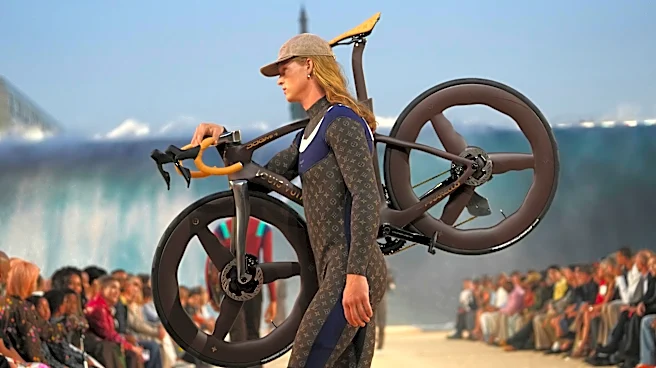
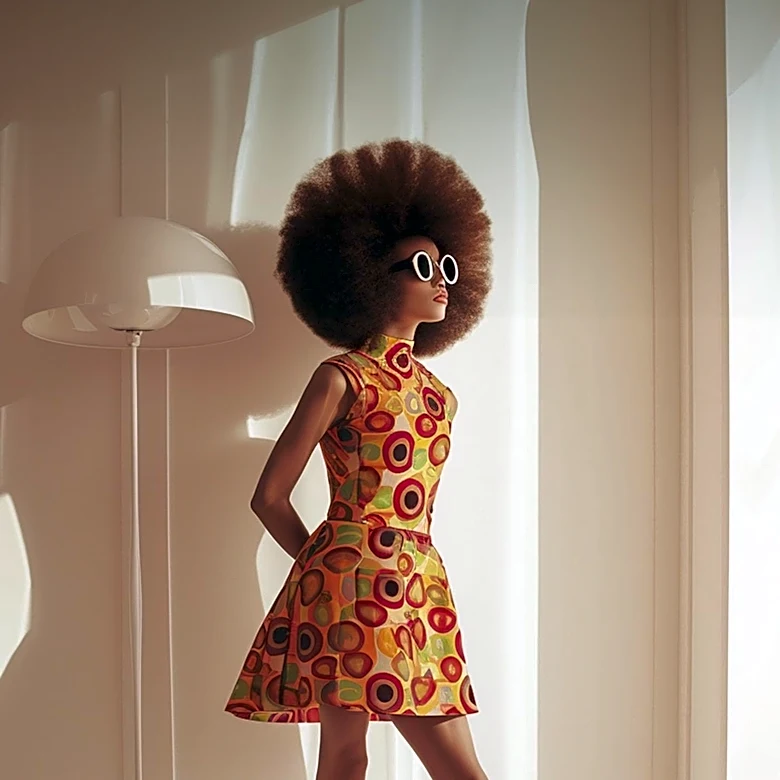
The first thing to understand about a high-fashion runway show is that it’s not primarily a retail event. It’s a marketing campaign. The wildly impractical, avant-garde creations that generate headlines and memes are often never intended for mass production.
Their job is to create a spectacle, to build what industry insiders call 'brand heat.' This is the halo of prestige, artistry, and cultural relevance that makes a label desirable. Think of it as the world’s most glamorous and expensive form of advertising. The cost of staging a show—booking a historic venue, hiring top models, the intricate production—is a rounding error compared to the media value it generates. A single viral look can launch a thousand articles, millions of social media posts, and cement a designer’s vision in the public consciousness. That brand energy is the asset; the clothes are just the beginning.
The Real Financial Engine
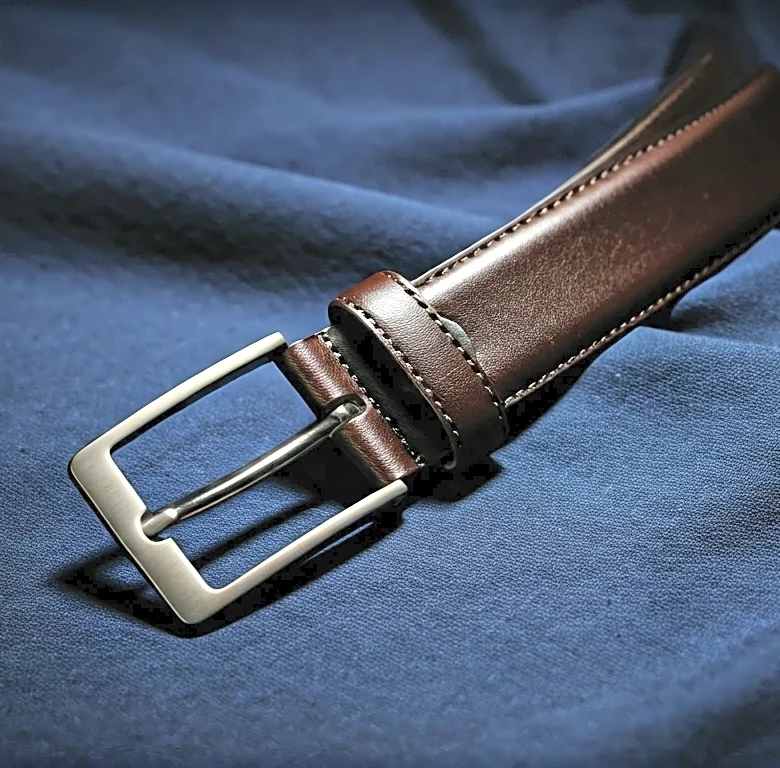
So if the most talked-about clothes aren't the ones being sold, where does the money come from? The answer lies in the fashion pyramid. At the very top, you have haute couture and the conceptual runway pieces—high art, low volume. Below that is ready-to-wear, the clothes you see in high-end department stores. But the vast, profitable base of the pyramid is made up of accessories and licensed goods. The real cash cows for brands like Dior, Louis Vuitton, and Gucci are the handbags, the sneakers, the sunglasses, the belts, and, most importantly, the fragrances. The runway show creates the dream, but the $500 sunglasses or the $150 bottle of cologne is what allows millions of consumers to buy a small, accessible piece of that dream. The profit margins on these items are enormous, and they effectively subsidize the entire creative enterprise.
Wearable Pieces: The Bridge from Fantasy to Reality
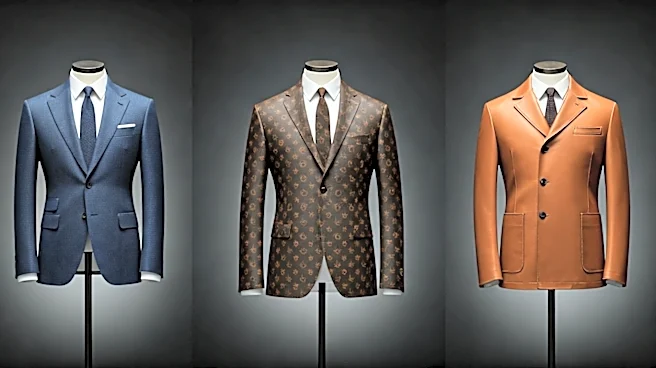
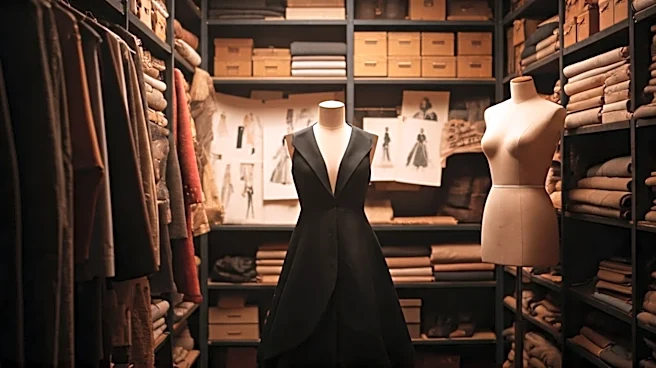
This is where those 'wearable' pieces come in and why they’re so crucial. A perfectly tailored wool coat, a sharp leather jacket, or a covetable knit sweater serves as the essential bridge between the runway fantasy and the commercial reality. These are the hero items of a collection. While not as accessible as a keychain, they are aspirational yet attainable for the brand’s core ready-to-wear customers. They prove that the designer can not only create a spectacle but also make beautiful, functional clothing that people with disposable income actually want to buy. A successful wearable piece can become a seasonal bestseller, driving significant revenue and proving the commercial viability of the creative director's vision. It’s the item that says, 'Yes, we can do art, but we can also make a fantastic coat you’ll wear for a decade.'
How It All Trickles Down
You might think this is all happening in a world far removed from your own closet, but this economic model has a direct impact on mainstream fashion. The silhouettes, color palettes, and key items showcased in Paris don’t stay there. Trend forecasting services analyze these shows, and fast-fashion giants like Zara and H&M pay close attention. The wide-leg trouser that appeared at a Loewe show or the specific shade of green from a Dries Van Noten collection will be reinterpreted and appear in malls across America within months. The success of a wearable luxury piece signals a market appetite that mass-market brands are quick to satisfy. In this sense, the economics of Paris Fashion Week aren’t just about luxury; they are the starting point for a global supply chain of trends that ultimately shapes what’s available for everyone.