

The Couch Is the New Front Row
Not long ago, a festival livestream was a grainy, single-camera affair with blown-out audio, a distant echo of the real thing. Today, it’s a high-production media event. Major festivals like Coachella now partner with platforms like YouTube to offer multi-channel,
4K resolution streams with professional camera direction and drone shots. Viewers can use multiview options to watch four stages at once on their TVs, creating a command center for live music. This technological leap has transformed at-home viewing from a compromised alternative into a curated, premium experience. You don't have to deal with crowds, overpriced water, or long walks between stages. From the comfort of home, you get a perfect, pristine view of every performance, an experience arguably better in quality than what many on-the-ground attendees get.
A Free Taste to Sell Exclusivity
So why would a festival that charges hundreds of dollars per ticket give away such a high-quality version for free? The answer is simple: the stream isn’t just for access; it’s an advertisement. Every spectacular sunset performance, every surprise guest, and every perfectly captured crowd reaction streamed to millions reinforces the festival's brand and cultural significance. It’s a multi-day infomercial designed to induce a powerful sense of FOMO, the Fear Of Missing Out. Organizers have found that offering a high-quality digital experience doesn't cannibalize ticket sales; it fuels them for future years. The flawless stream acts as a powerful marketing tool, demonstrating exactly what people are missing, thereby elevating the perceived value and exclusivity of being there in person.
The Two-Tiered Experience
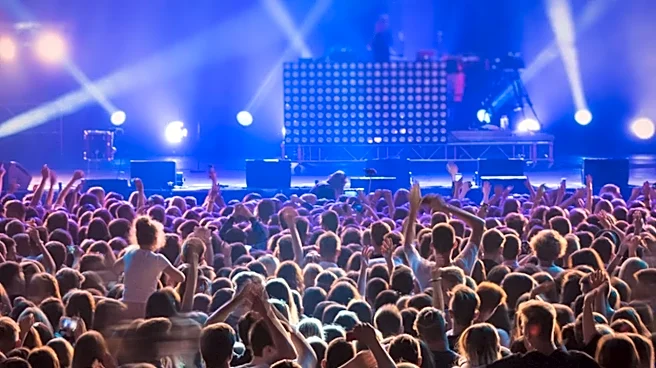
This dynamic effectively creates a two-tiered system of cultural participation. There are the millions watching at home—the digital audience—and the tens of thousands on the ground—the ticketed attendees. The livestreamer gets the perfect view, but the attendee gets the physical experience: the vibrations from the bass, the collective energy of the crowd, the spontaneous moments that don't make the broadcast. As platforms integrate shopping features directly into the stream, the line blurs further. The at-home viewer is a consumer of media, while the in-person attendee is a participant in an event. This distinction reinforces the idea that physical presence is a status symbol, a luxury that a pristine digital copy can't replicate, no matter how high the resolution. The stream lets you watch the party, but it constantly reminds you that you weren't invited.
The FOMO Engine Perfected
The psychological impact is potent. Social media already bombards us with curated highlights of others' lives, which can trigger anxiety and feelings of exclusion. A festival livestream is this phenomenon on steroids. It’s a professionally produced, real-time feed of a massive, culturally significant event you're not at. The constant stream of content, combined with the inevitable flood of Instagram stories and TikToks from friends who are actually there, creates a powerful feedback loop of desire. You see every amazing moment, perfectly framed, which only amplifies the feeling of being left out. The accessibility of the stream doesn't make you feel included; it provides a crystal-clear, high-definition window into your own exclusion, making the desire to be on the other side of the screen even stronger.