




Germany vs. Argentina: The World Cup Final Saga
No two nations have met in the World Cup final more often than Germany and Argentina, and their trilogy of championship clashes defines the rivalry. It’s a story of two radically different footballing philosophies meeting on the biggest stage. In 1986,
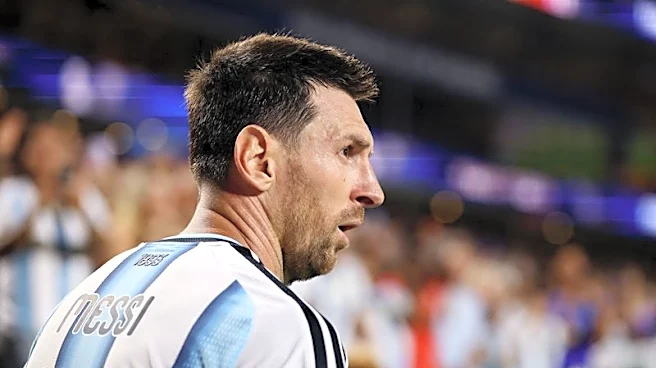
Diego Maradona's dazzling, swaggering Argentina triumphed over West Germany 3-2 in a classic final in Mexico City. Four years later, the Germans got their revenge. In a bitter and ugly final in Rome, West Germany defeated Argentina 1-0 via a late, controversial penalty. That set the stage for the rubber match in 2014. With Maradona's successor, Lionel Messi, now leading Argentina, the two giants met again in Rio de Janeiro. For over 110 minutes, the game was a tense, scoreless chess match until a young Mario Götze broke Argentine hearts with a brilliant extra-time winner, securing Germany’s fourth star and leaving Messi to stare at a trophy that was just out of reach. For these two nations, the World Cup isn’t just a tournament; it’s a recurring date with destiny.
Ghana vs. Uruguay: The Hand of the Devil
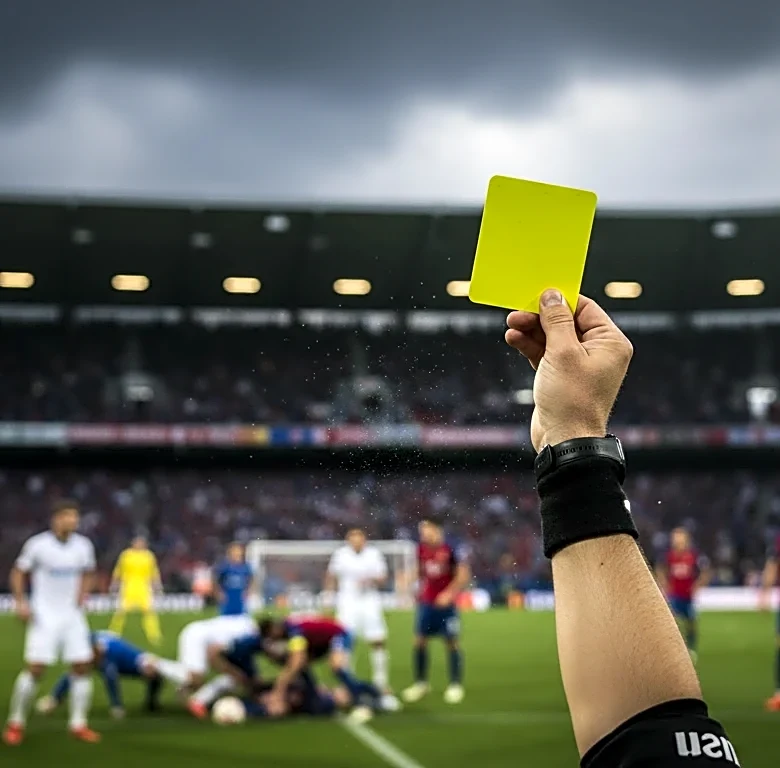
Sometimes, a rivalry isn’t built over decades, but in a single, infamous moment. In the 2010 World Cup quarter-final in South Africa, Ghana was on the brink of becoming the first African nation to ever reach the tournament's semifinals. In the last minute of extra time, with the score tied 1-1, a frantic goalmouth scramble saw a certain goal for Ghana. That is, until Uruguay striker Luis Suárez, standing on his own goal line, instinctively blocked the ball with both hands. He was given a straight red card, but his sacrifice gave Uruguay a sliver of hope. Ghana's Asamoah Gyan had a penalty kick to win it all, but his shot agonizingly crashed against the crossbar. Suárez, who had lingered in the tunnel to watch, celebrated wildly. Uruguay went on to win the ensuing penalty shootout, ending Ghana's dream in the most gut-wrenching way possible. For Ghana, it was an unforgivable act of cheating; for Uruguay, it was the ultimate sacrifice for the team. That one moment of controversy created an entire legacy of heartbreak and animosity.
Brazil vs. Germany: The Ghost of the 7-1
This wasn't a rivalry before July 8, 2014. It was simply a meeting of two of the world's most successful footballing nations. But after the 2014 World Cup semi-final, it became a national trauma for Brazil. Playing on home soil, the host nation was expected to reach the final, but they were without their injured superstar Neymar and their suspended captain Thiago Silva. What followed was not just a defeat, but a complete and utter humiliation. In a shocking 19-minute spell in the first half, Germany scored five goals, four of them coming in a six-minute blur. The final score was 7-1. The Brazilian crowd was left in stunned silence, with many fans openly weeping in the stands. The match was nicknamed the 'Mineirazo', a wound that cut even deeper than their famous 1950 final loss. It was the largest margin of victory in a World Cup semi-final and a result so shocking it permanently scarred the psyche of Brazilian football, creating a ghost that haunts the nation to this day.
USA vs. Mexico: The Rise of 'Dos a Cero'
For much of the 20th century, USA vs. Mexico wasn't a rivalry; it was a formality. Mexico dominated. That all changed at the turn of the millennium. As soccer grew in the U.S., the playing field evened out, and a new chant emerged from the American fans: 'Dos a Cero'. Spanish for 'two to zero', the scoreline became a rallying cry. It started in Columbus, Ohio, in 2001, when the USMNT beat Mexico 2-0 in a crucial World Cup qualifier. But the rivalry's defining moment came in the 2002 World Cup Round of 16, where the underdog Americans stunned their heavily favored rivals, again by a 2-0 score. It was the only time the two have ever met in the World Cup, and it cemented the legend of 'Dos a Cero'. Since then, the rivalry has been a bitter, back-and-forth battle for North American supremacy, with every match carrying the weight of cultural pride and the taunting memory of that iconic scoreline.