






The Power of a Single Setting
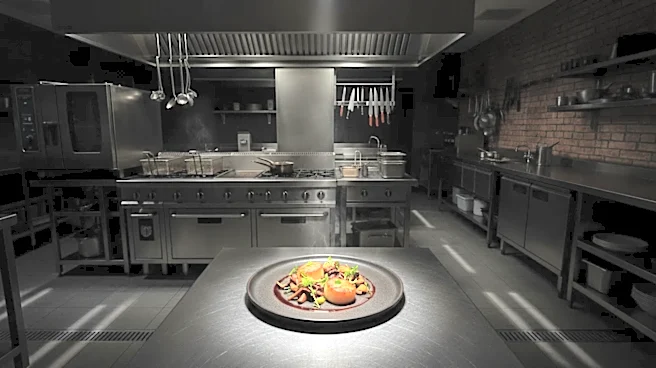
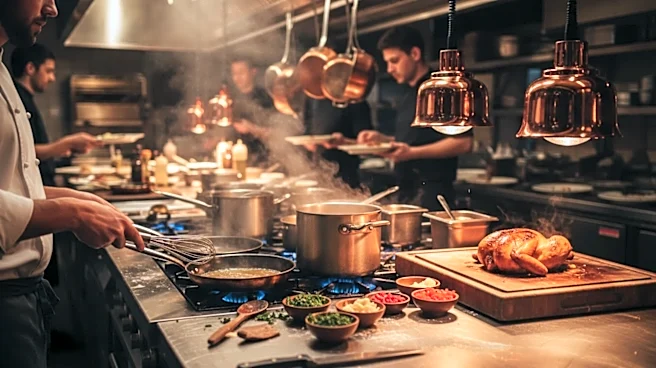
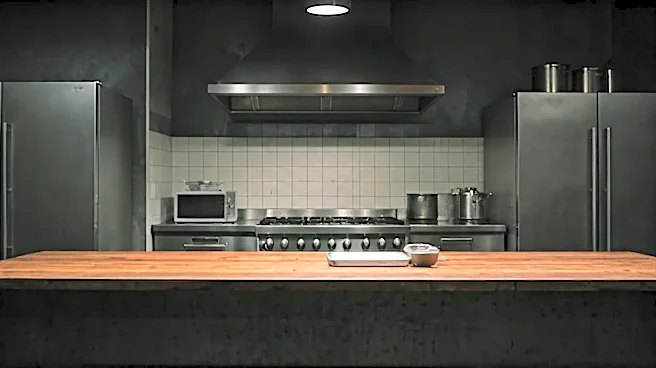
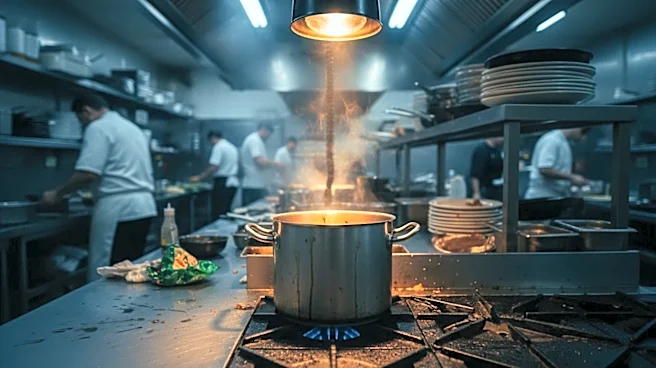
Much of the show’s magic comes from its commitment to a core principle of theater: a unity of place. Like a black box play, the show’s most intense moments unfold within the confining walls of a single location. In Season 1, it’s the cramped, greasy kitchen
of The Original Beef. In Season 2, it’s the pressure cooker of the Berzatto family home during Christmas. The entire final season reportedly takes place over a single, nail-biting day at the restaurant. These settings aren't just backdrops; they are characters in themselves, trapping the cast in a crucible of boiling-point tension. The close quarters force confrontations and confessions, leaving no room for escape. Every slammed door and crowded corridor amplifies the emotional stakes, making the kitchen feel both like a sanctuary and a prison.
Racing Against Real Time
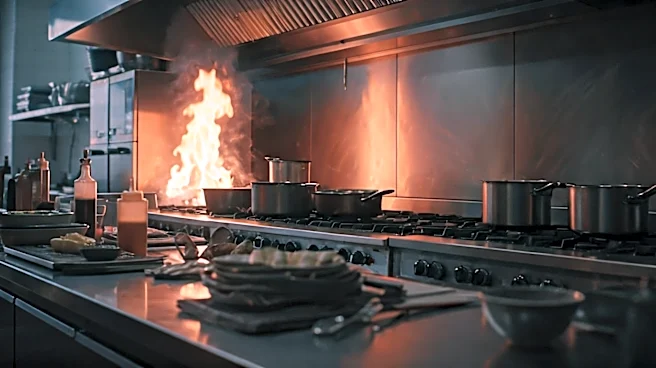
The show’s most celebrated episodes are famous for manipulating time in a way that feels distinctly theatrical. Season 1’s “Review” is a masterclass in this, an episode filmed in a breathless, nearly 18-minute single take. By refusing to cut, the camera forces the audience to live inside the escalating chaos as the kitchen implodes. There’s no reprieve, no moment to look away. This isn’t just a flashy gimmick; it serves the story by making the audience feel the mounting pressure in real time. Similarly, Season 2’s feature-length flashback, “Fishes,” unfolds over the course of one relentlessly tense Christmas dinner. The episode stretches and compresses time, where every minute feels like an hour as family traumas simmer and boil over. This technique, a unity of time, grounds the drama in an immediate, visceral reality that’s difficult to shake.
When Words Are the Knives
In The Bear, dialogue isn't just dialogue—it's action. The rapid-fire, overlapping, and often brutal exchanges are where the real battles are fought. Characters wound each other, save each other, and reveal their deepest fears and desires through searing monologues and sharp-witted retorts. Carmy’s Al-Anon monologue at the end of Season 1 is a prime example: a seven-minute, uninterrupted speech that feels like a soliloquy pulled directly from a modern drama. It’s a moment of pure performance, where the camera simply holds and lets the actor work. The arguments in “Fishes,” which escalate from passive-aggression to fork-throwing mayhem, demonstrate how language can be more violent than any physical blow. The show understands that in a confined space, words become the primary weapons.
An Ensemble on a Stage
Finally, the series is built like a true ensemble play. There are no minor characters; everyone from Carmy and Sydney to Tina and the Fak brothers gets their moment in the spotlight. The narrative structure depends on the intricate web of relationships, with dynamics shifting based on who enters or exits a scene—much like characters moving on and off a stage. Season 2’s “Forks” is a perfect example of a solo performance, giving Richie a redemption arc that functions as its own one-act play. This focus on the collective, rather than a single hero’s journey, is a theatrical hallmark. Each character’s small story contributes to the larger, richer whole, creating a found family whose triumphs and failures feel deeply personal and interconnected.