







The Trenches vs. The Engine Room
First, let's establish the territory. In American football, the line of scrimmage is a compressed, violent zone where every inch is fought for. It’s where the offensive and defensive lines—the biggest, strongest players on the field—clash on every single
play. Their goal is simple: dominate the space directly in front of them to either protect the quarterback or demolish him. The midfield in soccer is that same concept, just stretched out over 40 yards of open grass. It’s the “engine room” of the team. While it lacks the brutal, instant collisions of the NFL, it’s a place of constant strategic warfare. This is where possession is won, where the tempo of the game is set, and where attacks are either born or extinguished before they can even begin. If you lose control here, you lose the game, even if the scoreboard doesn't show it yet.
Your Personnel: Linemen and Midfielders
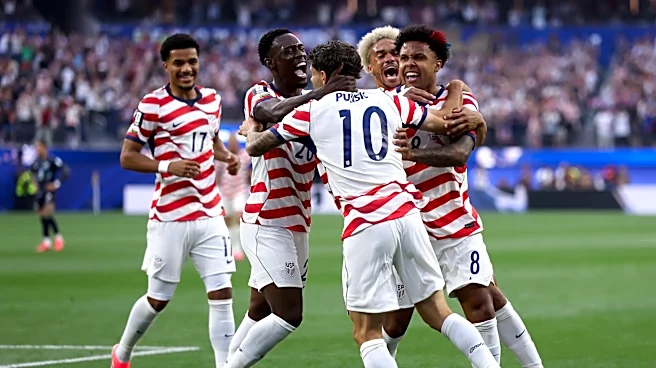
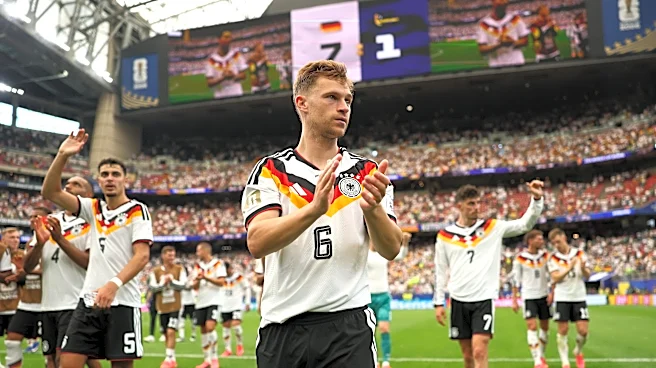
The roles, once you look closer, are surprisingly similar. Think of a holding or defensive midfielder (often called a “No. 6”) as your nose tackle or run-stuffing defensive end. Their primary job isn't to create flashy plays, but to destroy the opponent’s. They tackle, intercept passes, and break up the rhythm of the other team’s attack, clogging the central lanes just like a D-lineman clogs a running gap. Your box-to-box midfielder (the “No. 8”) is like a pulling guard or a versatile linebacker—they do the dirty work defensively but are also expected to push forward and contribute to the attack. They connect the defense to the offense. And the attacking midfielder (the “No. 10”) is your star pass-rusher’s offensive equivalent—the left tackle protecting the QB's blind side, or even the QB himself. They are the creators, the players responsible for unlocking the defense with a killer pass, much like a great offensive line gives a quarterback the priceless gift of time and space.
The Goal: Dictating the Terms of Engagement
On a football field, winning the line of scrimmage means imposing your will. For an offense, it means creating clean pockets and running lanes. For a defense, it means generating pressure, forcing bad throws, and stuffing the run for no gain. You are dictating what the other team is allowed to do. It’s identical in soccer. A team that dominates the midfield battle controls possession, forcing the opponent to chase the ball, tire out, and lose their defensive shape. They can slow the game down to a crawl to protect a lead or speed it up with quick, incisive passes to exploit a weakness. A team that is losing the midfield battle is constantly reacting. They can’t get the ball to their star forwards, they are pinned back in their own half, and every time they win the ball back, they are immediately under pressure, forced into a hopeful, long ball forward that rarely works. It’s the soccer equivalent of a quarterback running for his life on every down.
Winning the War to Win the Game
The ultimate payoff for controlling these areas is clear. In football, a dominant offensive line performance leads to a clean jersey for the QB, a 100-yard day for the running back, and a lopsided time of possession. It grinds the other team's will into dust. In soccer, a dominant midfield performance might not always show up in goals, but its effect is overwhelming. The forwards get consistent service in dangerous areas, the defenders are rarely under stress, and the entire team plays with confidence and control. The next time you watch a soccer match, take your eyes off the ball for a moment. Watch the space in the middle of the field. See how the midfielders fight for position, close down space, and vie for control. It’s not a series of random runs; it’s a coordinated, strategic battle for every blade of grass. It’s the trenches, and whoever wins there usually gets to lift the trophy.