



The Pursuit of Historical Accuracy
Historically accurate dress is what it sounds like: a rigorous, almost academic attempt to recreate the clothing of a specific time and place as it truly was. The goal here is preservation and education. Think of the garments you might see carefully preserved
behind glass in a museum, or the painstaking creations of dedicated historical reenactors. This approach prioritizes using the correct materials (hand-spun wool, not polyester), the right construction techniques (hand-stitching, not a sewing machine), and the exact patterns of the era. The success of an accurate garment is measured by its fidelity to the past. It’s a form of material archeology, bringing history to life by replicating its textures and forms as precisely as possible. The primary audience for this isn't a moviegoer, but a student of history.
The Art of Historical Persuasion
Historically persuasive dress, on the other hand, serves a different master: the story. This is the domain of most film and television costume designers. Their goal isn't just to show you what the past looked like, but to make you feel it. Persuasion uses the visual language of clothing to communicate character, social status, and emotional states to a modern audience. It’s about creating a believable and resonant world, even if that means bending the rules. A designer might use a color that wasn’t available at the time to signal a character's rebellious nature, or alter a silhouette to make an actor look more heroic or vulnerable on screen. It’s an interpretation—a translation of history into the language of narrative cinema.
Accuracy vs. Persuasion on Screen
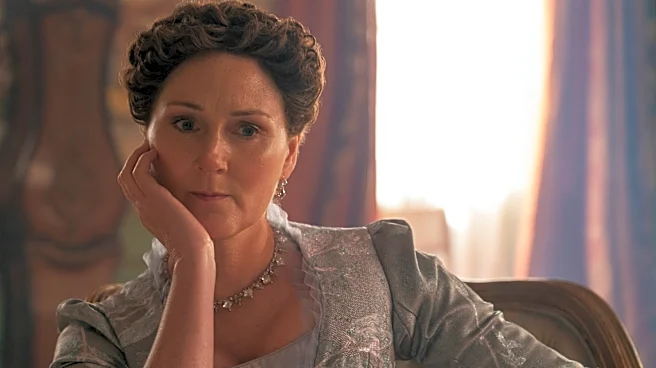
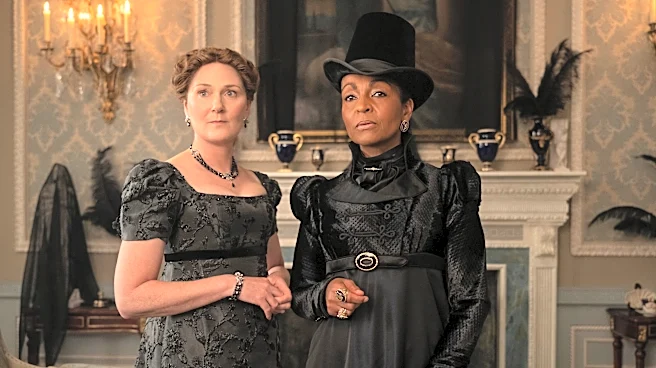
To see the difference, just look at your streaming queue. A series like Netflix's 'Bridgerton' is a masterclass in historical persuasion. The show's Regency-era setting provides a jumping-off point, but the costumes are pure fantasy. Costume designer Ellen Mirojnick intentionally used vibrant, anachronistic color palettes, modern fabrics like synthetic organza, and influences from 1950s Dior to build an aspirational, romantic world. The empire-waist silhouettes are there, but they are a canvas for a story about passion and social maneuvering, not a lesson in 19th-century textiles. This approach tells the audience that this is a heightened reality. It's persuasive because it successfully convinces you of the show’s unique tone and feeling. This contrasts with projects where accuracy is key to the story's gravity, where the authenticity of every stitch matters.
Why Not Just Be Accurate?
So why don't all productions just stick to the facts? There are several practical and artistic reasons. First, materials and labor. The original fabrics may be lost to time or prohibitively expensive to reproduce. Second, modern bodies and audience expectations have changed. Costumes must be durable enough for long shoots, allow actors to move, and be easy to get in and out of—a row of 50 tiny, historically correct buttons is a nightmare for a quick change. Furthermore, true historical clothing can sometimes look drab, strange, or unflattering to the modern eye. A costume designer's job is to tell a story visually. If making a heroine’s dress a shade of impossible-for-the-18th-century blue makes her pop from the crowd during a pivotal scene, that choice serves the story better than a historically muddy brown ever could.