



The Legacy Host as Cultural Bridge
One of the most visible ways MTV threads the needle is through its choice of host. For the 2026 ceremony, the network tapped Snoop Dogg, a move that is steeped in VMA history. Snoop isn't just a universally recognized star; he's an artist who first appeared
on the VMA stage in 1994 and has been part of its fabric for decades. In his own words, hosting is a “full-circle moment.” This choice is strategic. It places a figure of authority and authenticity at the helm—someone who represents the show's disruptive past but remains a vital part of today's culture. He acts as a bridge, giving the event a sense of continuity and credibility that a younger, of-the-moment host might lack. It tells the audience that the show remembers its roots while still being firmly planted in the present.
Performances That Blend Then and Now
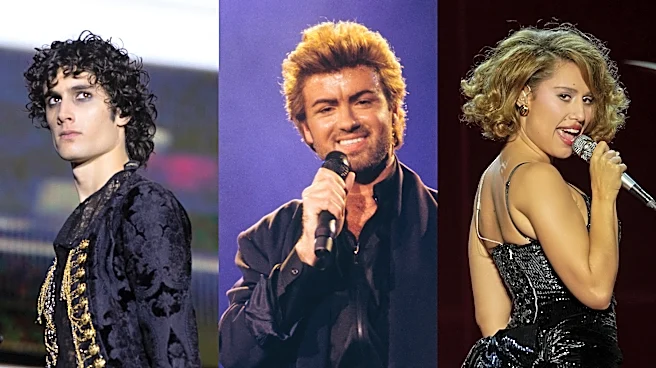
The VMA stage has always been a launchpad for iconic moments. The 2026 show demonstrates how MTV curates its performances to be multi-generational events. Madonna, a VMA staple since her legendary “Like a Virgin” performance in 1984, was announced as the show's opener for the first time in 23 years. But this isn't purely a throwback. She arrived as the year's most-nominated artist, with 11 nods for her new work, putting her ahead of contemporary powerhouses like Taylor Swift and Ariana Grande. This frames her not as a legacy act, but as a current contender. The lineup also features a George Michael tribute featuring modern artists like RAYE and Teddy Swims, and collaborations like Shaboozey and Gunna performing together for the first time on broadcast. This approach treats nostalgia as a conversation between eras, where new artists get to engage with history and legacy artists are presented as ongoing forces.
The Vanguard Award as a Strategic Honor
The Michael Jackson Video Vanguard Award is perhaps the show's most potent tool for blending past and present. It's an honor explicitly designed to recognize an artist's profound impact on music videos and pop culture. In 2026, the award was given to Nirvana, a band whose legacy is inseparable from their visual identity. The tribute marks 34 years since their first chaotic appearance on the show. Awarding the honor to Nirvana does more than just celebrate a beloved catalog; it reinforces the VMA’s identity as a platform that recognizes genre-defining, rebellious art. It creates a major, headline-grabbing moment that honors history, sparks conversation, and reminds viewers of the VMA's role in catapulting groundbreaking artists like Nirvana into the stratosphere.
Selective Modernization, Not Erasure
Even as the VMAs lean into their history, they aren't afraid to make changes that reflect the current landscape. In 2026, this was most evident in the controversial decision to scrap the long-running "Best Rock" category after more than 35 years. While this move disappointed some fans, it reflects a deliberate focus on genres currently dominating youth culture and online charts. The show still features a "Best Alternative" category, but the shift indicates a strategy of evolution, not preservation for its own sake. By simulcasting on CBS and streaming on Paramount+, the VMAs also acknowledge that their cultural space has changed. The show no longer lives just on cable but must compete across platforms. This willingness to adapt, even when it means letting go of historical elements, is key to preventing the show from becoming a museum piece.