
The Red Carpet: A Beautiful, Coordinated Illusion
When a celebrity steps onto the red carpet, they are the endpoint of a massive logistical operation. Behind every seemingly effortless look is a stylist who has negotiated with design houses, a glam team
that has worked for hours, and often, a lucrative brand contract that dictates the choice of dress, jewelry, and even handbag. These are not just outfits; they are marketing campaigns. The goal is to create a singular, viral 'moment' that serves the celebrity's public image and the brand's bottom line. This process, while resulting in breathtaking fashion, often removes the person from the equation. The clothes are borrowed, the look is strategized, and the result is a beautiful, but often impersonal, performance.
The Art Fair: Where Curation Is Personal
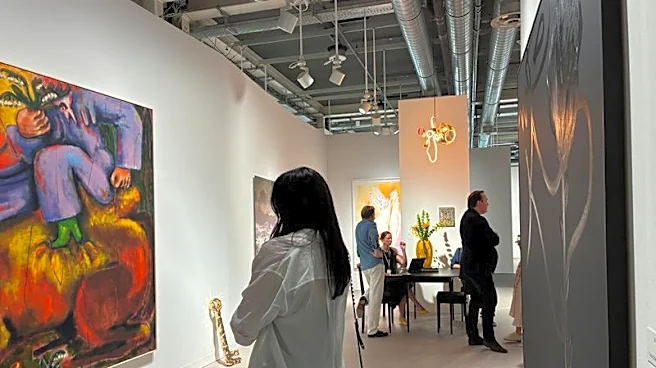
An art fair like Frieze or Art Basel is an entirely different ecosystem. It’s a commercial and cultural marathon that demands stamina, intellect, and a specific kind of visual language. The attendees—gallerists, collectors, artists, and critics—dress for a long day of walking, talking, and, most importantly, looking. Their clothing choices are not for a 30-second photo op but for hours of engagement. Style here is a tool of communication. It's about expressing one's taste and point of view, much like the art they collect. As one gallerist notes, 'The art world has always been a place where personal style can flourish—it's about expressing your taste, just like collecting art.' This environment fosters authenticity because the clothing is typically owned, loved, and part of a real wardrobe.
Dressing for the Job vs. Dressing for the 'Gram
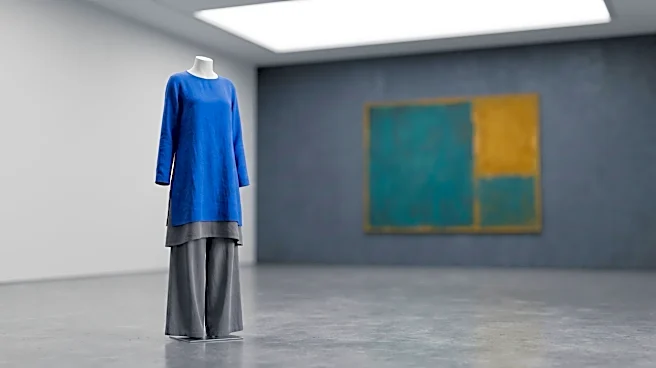
The dress code for a red carpet is fantasy. The unspoken dress code for an art fair is 'cultural fluency made visible'. It’s about looking intentional without seeming like you tried too hard, and comfortable without being sloppy. Practicality is paramount: think chic flats, layers for unpredictable air conditioning, and pockets. You might see a gallery director in a uniform of perfectly tailored black trousers and a crisp shirt, a look that signals they are there to do serious business. A collector might opt for architectural silhouettes or statement outerwear that feels like wearable art itself. The common thread is a sense of curation and confidence. The goal isn't to be the loudest thing in the room—that's the art's job—but to signal that you belong there.
Personal Expression Over Brand Obligation
Ultimately, the difference comes down to agency. A red carpet look is often a collaboration where the celebrity is one part of a larger brand strategy. Their personal preference can be secondary to the contractual obligations of an ambassadorship. In contrast, an art fair attendee is their own brand. Their style is a reflection of their own 'curatorial eye'. It’s a mix of high and low, vintage and new, all chosen to project a specific identity: discerning, intelligent, and engaged. It’s fashion as self-creation, not as a transaction. While a celebrity might wear a dress once for the cameras, an art world regular invests in pieces that become part of their signature uniform, worn repeatedly and thoughtfully. This is the essence of personal style: not just what you wear, but the sensibility that chose it.