





England: The Weight of Waiting
For American fans, imagine the pre-2004 Boston Red Sox curse, but make it an entire country and stretch it out for nearly six decades. That’s English soccer. The Three Lions haven't won a major men's tournament since their lone World Cup victory on home
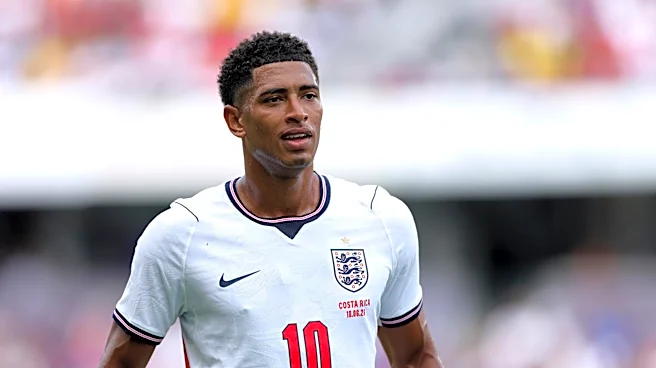
soil in 1966. Since then, it’s been a recurring national psychodrama of penalty shootout losses, tabloid-fueled panics, and heartbreakingly close calls. The current pressure is arguably the most intense it's ever been. They have a squad brimming with some of the world's most exciting young talents—Jude Bellingham, Bukayo Saka, Phil Foden. They reached the final of the Euros in 2021, only to lose in the cruelest way possible: a penalty shootout at Wembley Stadium. They looked formidable at the 2022 World Cup before being narrowly edged out by France. For this generation, the excuses have run out. It's no longer about plucky underdogs; it's about a world-class roster that is expected to finally, *finally* bring it home. Anything less feels like a monumental failure.
Brazil: The Burden of Birthright
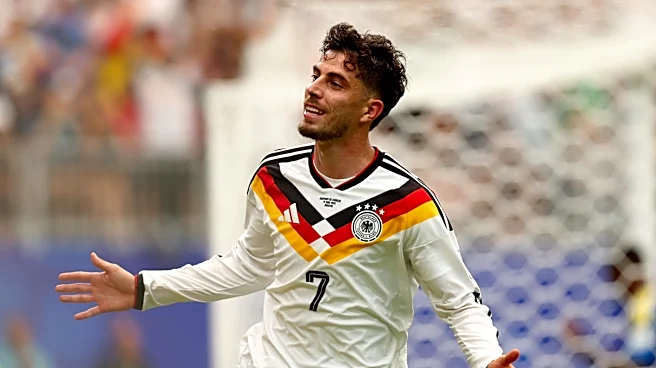
While England is pressured by a lack of success, Brazil is pressured by the impossible standard of its own history. With a record five World Cups, the *Seleção* is not just expected to win; they are expected to win with flair, joy, and artistry—the mythical concept of *joga bonito* (“the beautiful game”). A gritty 1-0 victory in a final might be celebrated elsewhere, but in Brazil, it would be met with a shrug and a critique of the team's style. The current burden is twofold. First, it’s been over 20 years since their last World Cup title in 2002, a veritable eternity for Brazilian fans. Second, the team is still haunted by the single most humiliating result in modern soccer history: the 7-1 semifinal loss to Germany, at home, in the 2014 World Cup. That scar has never fully healed. Every tournament since has been an attempt to exorcise that demon. For Brazil, the pressure isn't just to lift a trophy; it's to restore a nation's sense of self and prove they are still the spiritual guardians of soccer itself.
Portugal: The Last Dance Dilemma
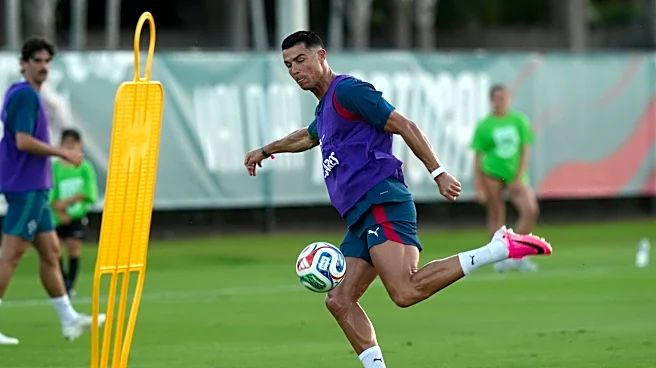
Portugal's pressure is embodied by one man: Cristiano Ronaldo. One of the greatest players of all time, Ronaldo has won everything at the club level and even led his country to an unlikely European Championship in 2016. But the World Cup has always eluded him. As he enters the twilight of his legendary career, every major tournament is framed as his “last dance,” the final opportunity to capture the one prize that would cement his legacy beyond any debate. This creates a unique and complicated pressure cooker. The squad around him is arguably the most talented in Portuguese history, packed with stars from Europe's biggest clubs like Bruno Fernandes, Bernardo Silva, and Rafael Leão. The dilemma is whether the team’s mission is to serve its aging king or to step out of his colossal shadow and forge its own identity. Can they integrate a living legend without stunting the growth of the team? Or will the singular focus on Ronaldo’s quest become a burden that’s too heavy for everyone else to carry? It's a delicate, high-stakes balancing act on the world stage.
Argentina: The Pressure of the Crown
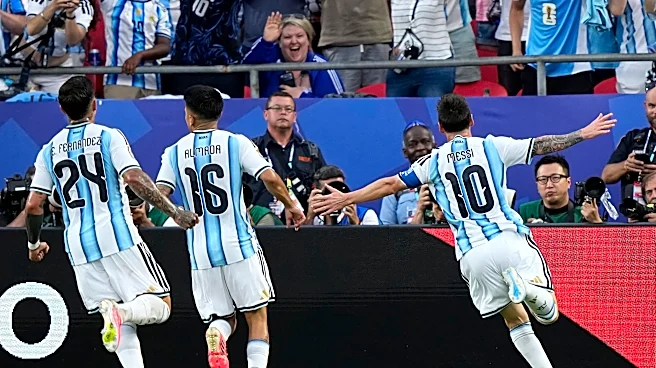
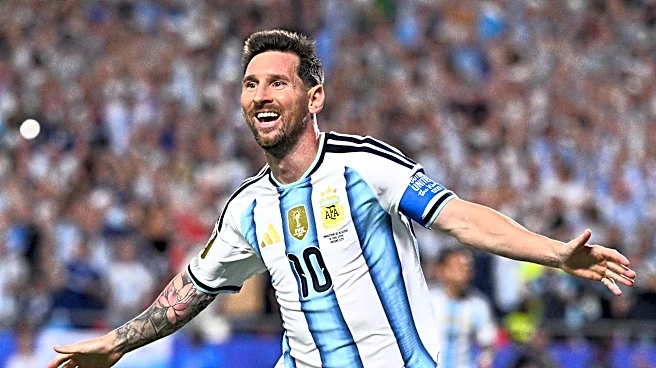
What happens after you achieve the ultimate dream? Argentina spent 36 years yearning for another World Cup, a journey defined by agonizing losses and the immense pressure on Lionel Messi to emulate the legendary Diego Maradona. In 2022, they finally did it, completing one of the most compelling stories in sports history. The pressure should be off, right? Wrong. It has simply changed its form. Now, Argentina faces the pressure of being the hunted. Every opponent will be desperate to knock off the world champions. But the more profound pressure is internal: proving it wasn't just a fluke, a fairy-tale ending for Messi. The new goal is to establish a dynasty and manage the inevitable transition to a post-Messi era. How does a team move on from a god? The pressure is no longer to win one for Leo, but to build a legacy that honors what he started. It’s the pressure to prove that the end of the story is actually the beginning of a new one.