






So, What Exactly Is a Trap Match?
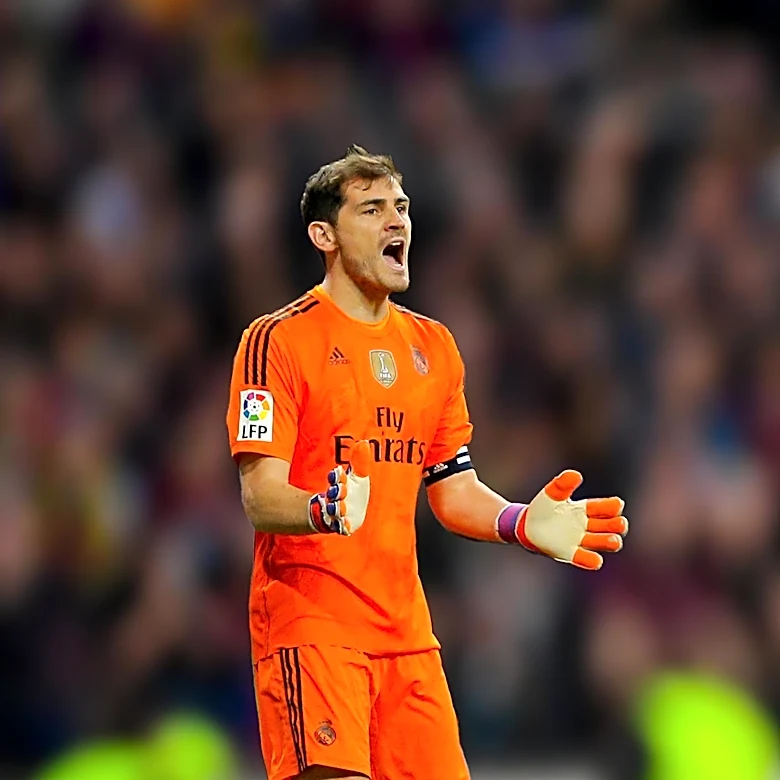
In soccer, a “trap match” (or “trap game”) is a specific type of upset waiting to happen. It has three core ingredients. First, you have a massive favorite—a Manchester City or Real Madrid—playing a much weaker opponent. Second, this match is sandwiched
between more important fixtures. The big team is either coming off an emotionally draining rivalry game or, more critically, looking ahead to a season-defining clash in a few days. Third, because of this, the favorite is mentally unfocused, physically tired, or resting key players. They expect to win on talent alone, but they walk right into a trap set by a highly motivated underdog playing with house money. It’s not just an upset; it’s a failure of focus.
The Soccer Cup Environment
The “Cup” part of the headline is crucial. While trap games happen in league play, they are most dangerous in knockout competitions like the English FA Cup, Spain’s Copa del Rey, or even the World Cup. Unlike a long league season where you can recover from a bad loss, a cup match is often a one-and-done affair. For a small club from a lower division, hosting a global giant is their Super Bowl. The entire town shows up. The field might be a little bumpy, the crowd is hostile, and the underdog players are fighting to make a name for themselves. For the giants, it’s just another game on a packed schedule. This creates a perfect storm for a shocking result, like when fourth-tier Cambridge United beat the Premier League’s Newcastle United, or the countless times a global power has stumbled in the World Cup group stage against a supposed minnow.
Your Team's 'Scheduled Loss'
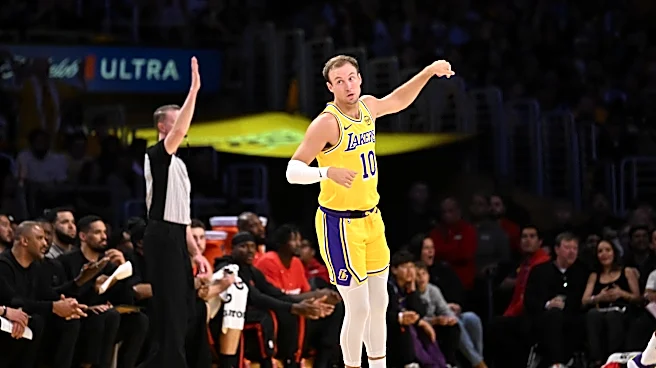
Now let’s translate this to the NBA. The most direct equivalent is the “scheduled loss.” It’s game 65 of the season. The Lakers are on the second night of a back-to-back, playing their third game in four nights on the road in Detroit. LeBron James and Anthony Davis are either resting or coasting. Their big showdown with the Denver Nuggets is in two days, and that’s all anyone is talking about. Meanwhile, the Pistons are playing free, their young guys are trying to prove themselves, and their home crowd wants to see a giant fall. The Lakers sleepwalk through the game, lose by eight, and everyone wonders what happened. What happened is they treated the game like a formality. They fell into the trap.
The March Madness Connection
For the single-elimination drama of a cup competition, the best basketball analogy is the NCAA Tournament. A No. 1 seed doesn't just see the No. 16 seed in front of them; they see the path to the Final Four mapped out in their bracket. They’re thinking about their Sweet 16 matchup. They overlook the current opponent. That opponent, however, is playing the biggest game of their lives. They have zero pressure and a massive chip on their shoulder. The result? You get UMBC destroying No. 1 overall seed Virginia in 2018 or Saint Peter's becoming the darlings of the tournament. The top seed wasn’t just outplayed; they were psychologically unprepared for a team that refused to follow the script. That is the essence of a cup trap match.
It’s All About Psychology
Ultimately, the trap match isn’t about tactics or analytics as much as it is about human nature. It’s about the arrogance of the favorite and the ambition of the underdog. It’s about the difficulty of maintaining peak focus when the world tells you a task is easy. The pressure on a powerhouse club to avoid embarrassment is a heavy burden, while the freedom of having nothing to lose is a powerful weapon. Whether it’s a soccer team underestimating a lower-league side or a basketball team looking past a lottery squad, the dynamic is identical. The trap isn't on the field or the court; it's in the mind.