






The Classic Blueprint: Why Gen X Loves a Good Formula
For Generation X, the slasher film isn't just a movie genre; it's a core memory. They came of age during the golden era of the slasher, from the late 1970s through the 1980s. This was the era of Michael Myers, Jason Voorhees, and Freddy Krueger—titans
of terror who operated on a relatively simple, yet terrifying, premise. The appeal lies in the formula: a group of teens, a remote location, a menacing and often masked killer, and a series of creative, often gruesome, demises. There was a comforting predictability to it. Gen X fans often appreciate the practical effects, the straightforward motives (or lack thereof), and the clear-cut morality tales where characters who indulged in sex or drugs were swiftly punished. This wasn't about deep psychological exploration; it was about the thrill of the chase and the satisfaction of a well-executed jump scare.
Tear It Down: How Gen Z Demands a Meta-Narrative
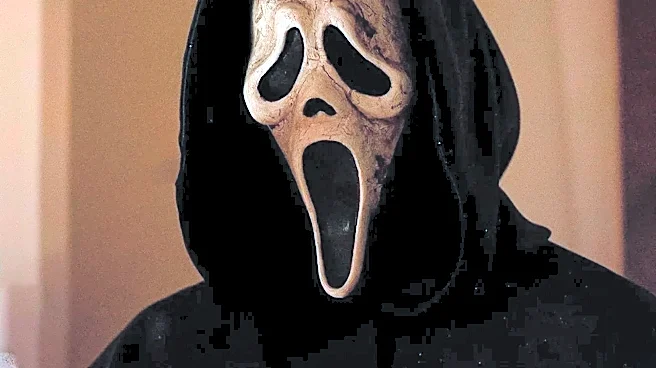
Gen Z horror fans grew up in a world already saturated with slasher tropes. Their cinematic literacy was shaped not just by the originals, but by the films that took those originals apart. The quintessential film for this generation is Scream, a movie that existed to comment on the very rules Gen X slashers established. For Gen Z, a straightforward slasher can feel dated; they crave self-awareness. They enjoy films like Bodies Bodies Bodies or The Final Girls, which play with the audience's expectations and often blend horror with dark comedy. Having grown up online, where every trope is cataloged and discussed, they expect their horror to be in on the joke. A killer simply stalking teens isn't enough; the film needs to say something about the idea of a killer stalking teens.
The Hero's Journey: The Final Girl vs. The Trauma Survivor
Both generations root for a survivor, but the nature of that survivor has drastically changed. Gen X cemented the archetype of the "Final Girl": typically portrayed as virginal, resourceful, and morally upright, she survives through grit and by following the rules her friends ignored. Laurie Strode in Halloween is the prototype. While later versions added more agency, the core concept remained. Gen Z, however, has gravitated toward protagonists whose struggles are internal as much as external. The monster is often a metaphor for grief, mental illness, or unresolved trauma. Films like Hereditary and The Babadook feature characters who aren't just surviving a night, but are wrestling with deep-seated psychological pain. The horror becomes an extension of their emotional state, making the journey less about physical survival and more about confronting inner demons.
The Nature of Fear: Jump Scares vs. Existential Dread
How do you measure a scare? For many Gen X fans, the effectiveness of a horror movie is counted in heart-pounding jump scares and shocking, practical-effects-driven gore. The fear is visceral and immediate—a sudden attack, a shocking reveal. It's a roller coaster ride that ends when the credits roll. Younger audiences, particularly those who follow the A24 model of horror, often prefer a different flavor of fear: a slow-burn, atmospheric dread that lingers long after the movie is over. This “elevated horror” prioritizes psychological terror, unsettling imagery, and a pervasive sense of unease over sudden shocks. It's the difference between being chased by a man with a knife and the slow, creeping realization that your own mind or your own home is turning against you. The fear isn't just what you see on screen; it's the unnerving questions the film leaves behind.
The Moral of the Story: Simple Rules vs. Social Commentary
Classic '80s slashers often carried a simple, almost conservative subtext: don't stray from the path. The narrative punished transgressive behavior, creating a clear (if simplistic) moral universe. In contrast, the horror films that resonate most with Gen Z are frequently layered with social commentary. Get Out used horror to dissect race and liberal hypocrisy. Barbarian explored themes of toxic masculinity and gentrification. For this generation, horror is a powerful vehicle for exploring real-world anxieties about social justice, technology, and identity. The monster is no longer just a monster; it’s a symbol of a societal ill. This transforms the genre from a simple tale of survival into a potent cultural critique, giving the scares a deeper, more resonant meaning.